
Island Destinations and Tourism Performance in 2025: A Comparative Snapshot
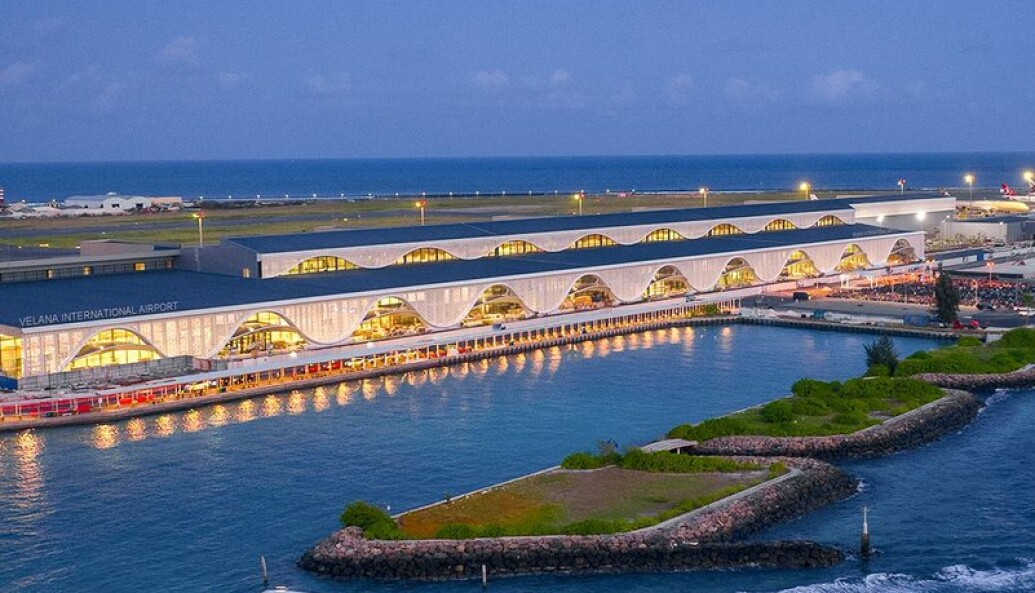
Global international tourist arrivals increased by around 4 percent in 2025, according to UN Tourism, with growth moderating across most regions. Within this broader context, island destinations once again recorded performance patterns distinct from larger, diversified countries, shaped primarily by air connectivity, source market structure, and accommodation mix.
For the Maldives, 2025 was characterised by steady growth supported by established long-haul markets, alongside incremental shifts within its accommodation landscape. When viewed alongside other Indian Ocean island destinations such as Mauritius, Seychelles, and Sri Lanka, a number of shared structural features become apparent.
Connectivity as a defining factor
Across island destinations in 2025, performance patterns point to improvements in air connectivity and network depth as more influential than changes in airfare levels. International air travel costs remained elevated relative to earlier years, yet arrivals continued to grow as routes were restored, frequencies increased, and access through key hubs strengthened.
This dynamic is particularly relevant for Indian Ocean island destinations, which are almost entirely dependent on long-haul air travel and lack large short-haul or cruise-based substitution markets. For these destinations, route availability and frequency tend to have a greater influence on travel decisions than marginal changes in ticket prices.
Source markets: concentration remains pronounced
Official data from the Ministry of Tourism shows that tourist arrivals to the Maldives in 2025 remained concentrated among a small group of established source markets. China ranked as the largest source market with 304,714 arrivals, accounting for 14.4 percent of total arrivals.
The Russian Federation accounted for 11.9 percent, followed by the United Kingdom at 8.9 percent, Germany at 7.4 percent, and Italy at 6.5 percent.
Collectively, these five markets accounted for approximately 1.13 million arrivals, representing around 49 percent of total tourist arrivals, out of 2.3 million arrivals recorded in 2025. The data indicates that growth during the year was anchored in familiar long-haul markets rather than driven by a broadening of the source market base.
The United Arab Emirates, with 74,550 arrivals accounting for 3.5 percent of total arrivals, also featured among the top ten source markets. These figures are based on visitor residency rather than point of embarkation and underline the importance of Gulf-based connectivity in supporting access to the Maldives.
Accommodation performance and bed nights
Tourist bed nights in the Maldives increased modestly in 2025, rising by approximately 2.5 percent from 13.34 million in 2024 to 13.67 million.
Resorts continued to account for the majority of bed nights, representing around 80 percent of the total. Guesthouses accounted for approximately 16 percent, with hotels and tourist vessels making up the remainder.
Growth in bed nights was most pronounced in guesthouse accommodation, which recorded an increase of around 16 percent year-on-year. Hotels also saw growth of approximately 8 percent, while tourist vessel bed nights remained broadly stable. Resort bed nights increased marginally, reflecting both the maturity of the segment and its dominant share of existing capacity.

Occupancy trends
Average occupancy across all accommodation types stood at 58.3 percent in 2025, compared with 59.0 percent in 2024. Resort occupancy remained comparatively resilient at 68.3 percent, down from 71.0 percent the previous year.
Seasonality continued to shape occupancy patterns, with higher utilisation observed during the first quarter and in December, and softer occupancy during traditional shoulder and low seasons.
Indian Ocean island comparisons
When compared with Mauritius, Seychelles, and Sri Lanka, the Maldives’ 2025 performance aligns with a broader Indian Ocean island pattern. Tourist arrivals grew by around 4 percent in Mauritius, approximately 13 percent in Seychelles, and around 15 percent in Sri Lanka during the year.
While these destinations differ in scale, tourism mix, and market positioning, the range of growth rates points to shared structural dynamics rather than fundamentally different demand drivers. All four destinations rely heavily on long-haul air access, exhibit pronounced seasonality, and draw a significant share of arrivals from a limited number of core source markets.
Sri Lanka’s stronger headline growth reflects its broader tourism offering, spanning leisure, culture, and nature-based travel, alongside improvements in regional and long-haul connectivity. Mauritius and Seychelles, operating at smaller scales, recorded more moderate growth consistent with their capacity profiles and market positioning.
India in the source market mix
India accounted for 5.3 percent of total arrivals to the Maldives in 2025, ranking sixth among source markets. This followed a period of higher market share earlier in the decade and indicates a recalibration of India’s contribution within the overall source market mix during the year.
Reading the 2025 data
Taken together, the 2025 data suggests that island destinations performed in line with global tourism expansion while retaining distinct structural characteristics. Growth was shaped by connectivity, market concentration, and accommodation composition rather than by price-led expansion or shifts in traveller behaviour.
For the Maldives, 2025 reinforced its position within a group of Indian Ocean island destinations whose tourism performance remains closely linked to access, seasonality, and a relatively narrow set of long-haul markets. As global tourism continues to evolve, these factors are likely to remain central to how island destinations navigate future growth cycles.
 Advertisement
Related Articles

Fitch Upgrades Maldives Sovereign Rating to ‘CCC‑’ as Default Risk Eases
June 3, 2026
Maldives Tourist Arrivals Rebound in May as Airlines Resume Routes
June 1, 2026
UK Suspends Import Tariff on Maldives Fish Products
May 21, 2026
Maldivian Launches Direct Flights Between Maldives and Australia, Marking New Era in Travel Connectivity
May 21, 2026Latest News

Maldives Govt to Ban Social Media Access for Children Under 16
10 min read
Bodies of Four Missing Italian Divers Found After Extensive Search Operation
10 min read
Search for Missing Italian Divers in Maldives Suspended After Coast Guard Fatality
10 min read
Maldives President Visits Tragic Diving Incident Site, Pledges Full Govt Support for Search Operations
10 min read