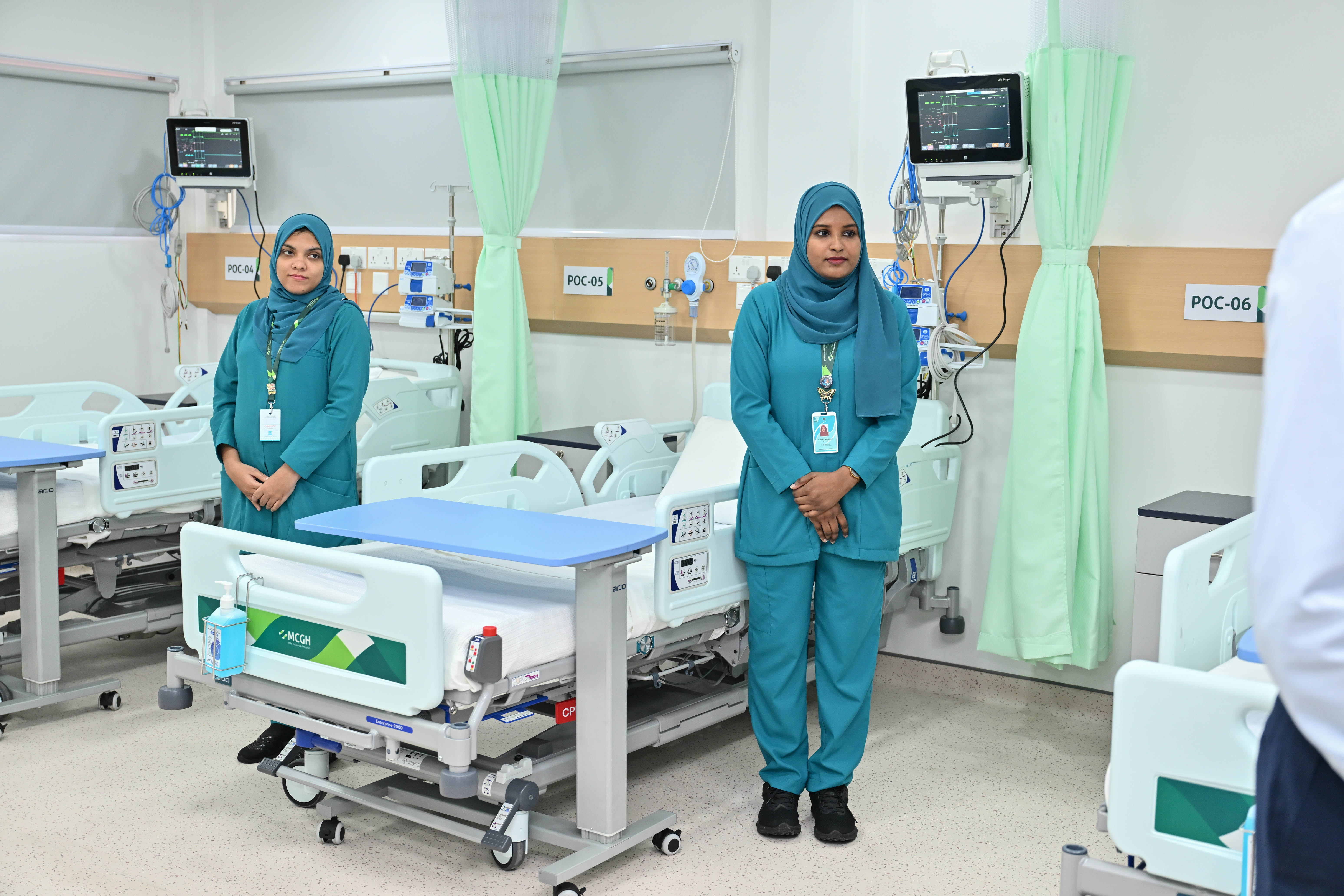
Maldives Explores Tourism Relief Measures After Middle East Conflict Losses Exceed USD 500 Million

President Dr Mohamed Muizzu has announced that his administration is actively exploring strategies to support the Maldives' tourism industry, which has suffered more than USD 500 million in losses attributed to the escalation of conflict in the Middle East.
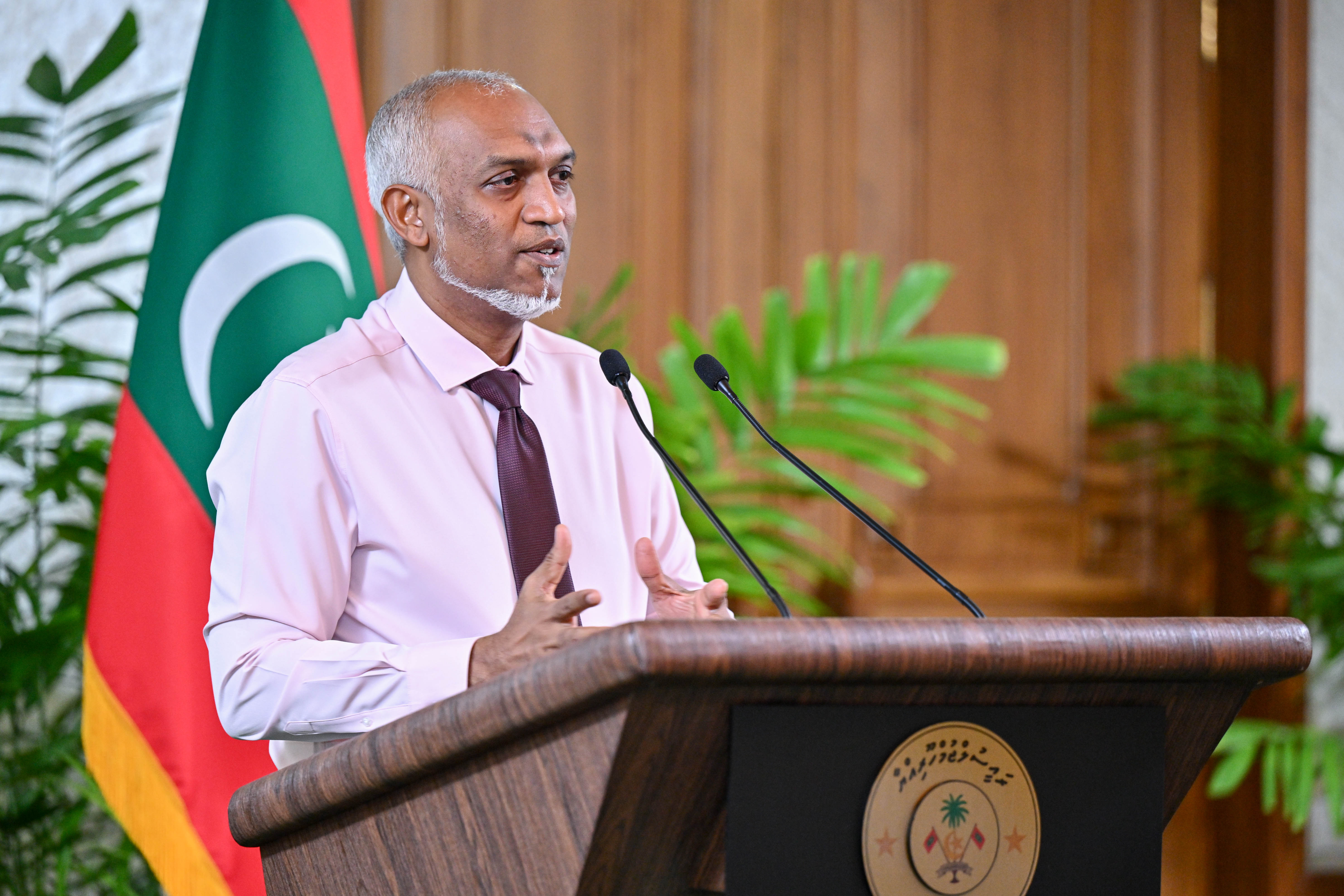
The President made these remarks during a weekly media briefing at the President's Office when responding to questions from journalists regarding the economic impact of regional instability on the nation's primary economic sector.
President Muizzu explained that the ministerial committee constituted to formulate measures to mitigate the impact of the conflict has been tasked with conducting a comprehensive review of the damages sustained by the tourism industry. This committee has been directed to engage in consultations with key industry stakeholders to assess the full scope of the impact and identify viable solutions.
"Then, in consultation with the relevant parties, we will know what can be done. So the ministerial committee is working on that now,” he explained.
The President's comments signal a recognition at the highest levels of government that immediate action may be necessary to prevent further deterioration of the tourism sector, which accounts for a substantial portion of the Maldives' gross domestic product and provides employment for tens of thousands of citizens.
The gravity of the situation has prompted leading industry associations to issue urgent appeals for government intervention. The National Hotels and Guest Houses Association of Maldives (NHGAM) and the Maldives Association of Travel Agents and Tour Operators (MATATO) released a joint statement a day earlier outlining the severe challenges confronting the sector.
According to the associations, the tourism industry has experienced significant disruption since March, with the onset of hostilities in the Middle East triggering a sharp decline in visitor arrivals from key markets. The statement warned that forecast bookings continue to trend downward, creating cascading financial difficulties for businesses throughout the tourism value chain. The joint statement painted a concerning picture of the current state of small and medium enterprises that form the backbone of the Maldivian tourism industry.
"Local small and medium enterprises, small businesses of guest houses, travel agents and tour operators, which play an important role in the tourism sector, have become financially weak and have reached the point where they have to cease operations," the organisations warned.
This assessment underscores the pressing need for coordinated action before the situation deteriorates further into a full-scale crisis that could result in widespread business closures and job losses across the archipelago.
In response to these mounting pressures, NHGAM and MATATO have issued a collective call to action directed at government agencies, financial institutions, and industry participants. The associations have urged stakeholders to expedite measures to stabilise the industry and protect local businesses and emphasised the importance of proactive planning.
"Before a disaster strikes, plan and introduce immediate assistance to businesses," the statement read, reflecting the sense of urgency felt by industry leaders who recognise that delayed intervention could result in irreversible damage to the tourism ecosystem.
The associations have also outlined specific measures they believe should be implemented to provide meaningful relief to struggling businesses. These recommendations include the provision of interest-free moratorium loans to ease immediate cash flow pressures, assistance with restructuring existing loan obligations, deferment of tax payments to allow businesses to preserve capital, and the waiver of various fees and quota charges that add to the financial burden on operators. These targeted interventions, the associations argue, would provide a lifeline to businesses teetering on the edge of insolvency while preserving the capacity of the tourism sector to rebound once regional conditions stabilise.
 Advertisement
Related Articles
Fitch Upgrades Maldives Sovereign Rating to ‘CCC‑’ as Default Risk Eases
June 3, 2026
Maldives Tourist Arrivals Rebound in May as Airlines Resume Routes
June 1, 2026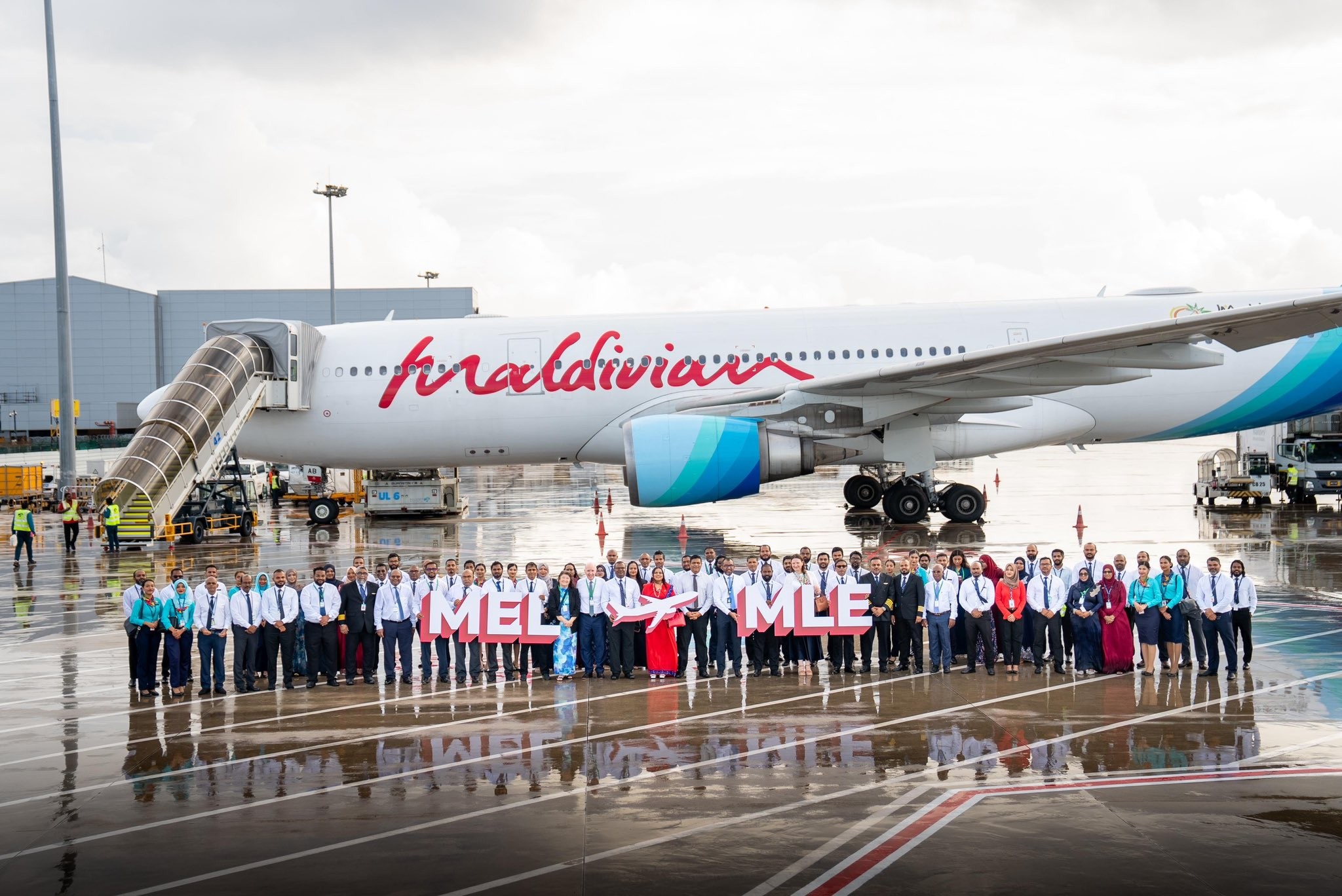
Maldivian Launches Direct Flights Between Maldives and Australia, Marking New Era in Travel Connectivity
May 21, 2026
Govt Revenue Surpasses Expenditure with MVR 1 Billion Surplus in First Four Months
May 10, 2026Latest News
Maldives Govt to Ban Social Media Access for Children Under 16
10 min read
Bodies of Four Missing Italian Divers Found After Extensive Search Operation
10 min read
Search for Missing Italian Divers in Maldives Suspended After Coast Guard Fatality
10 min read
Maldives President Visits Tragic Diving Incident Site, Pledges Full Govt Support for Search Operations
10 min read