
STO Spearheads Proactive Measures to Ensure Stable Food Prices During Ramadan
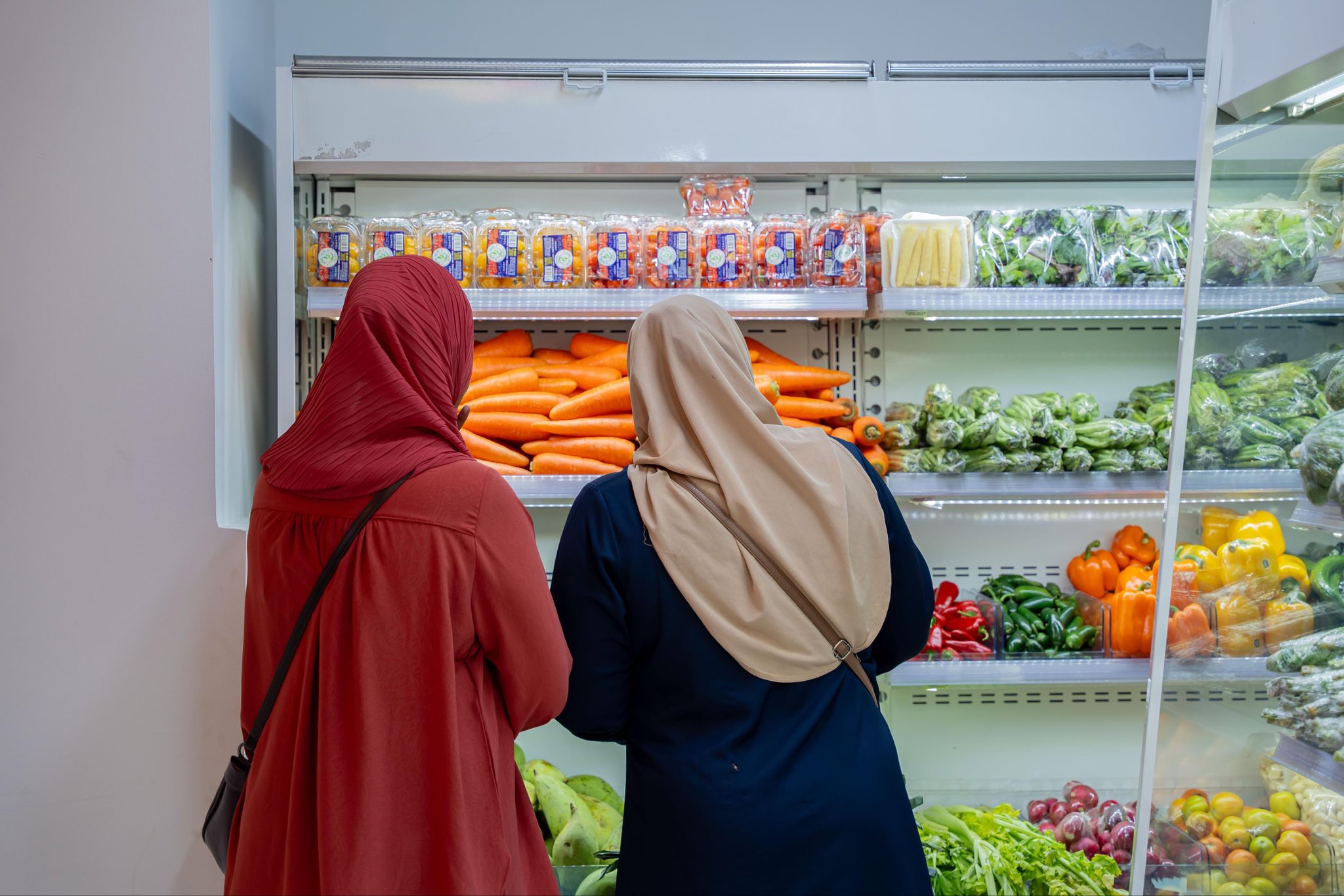
As the holy month of Ramadan begins, concerns over rising food prices—historically a recurring issue—have been alleviated by strong government interventions aimed at stabilising the market. Unlike previous years, when commodity prices surged due to increased demand, the government has implemented strategic measures to ensure affordability, with last Ramadan ending without significant price hikes. This year, further preparations are underway to safeguard consumers from financial strain.
Strategic Policy Changes for Price Stability
In a decisive move, the government expanded the list of essential commodities from 23 to 26 items, ensuring broader access to affordable necessities. The revised list, enacted under presidential directive, includes staples such as flour, sugar, rice, onions, coconuts, and a diverse range of fruits and vegetables. The State Trading Organisation (STO) has already begun distributing these items at reduced prices, reinforcing the administration’s commitment to food security.
Additionally, authorities are closely monitoring over 160 household goods frequently consumed during Ramadan, with weekly price assessments to detect and address sudden market fluctuations.
“If prices of non-essential items rise, the ministry will intervene to stabilise them,” State Minister for Economic Development and Trade Mohamed Thoriq Ahmed said, emphasising the government’s zero-tolerance for exploitative pricing.
Expanded Supply Chains for Nationwide Access
Recognising the logistical challenges of supplying remote regions, the STO has strengthened its distribution network to ensure timely delivery to all atolls. Agents have been appointed on islands with populations exceeding 3,000, while smaller communities will also receive consistent supplies. Enhanced storage capabilities in Malé and Hulhumalé have further streamlined operations, minimising delays and shortages.
Relief for Citizens
With inflation control mechanisms firmly in place, officials are confident that prices will remain stable, mirroring last year’s success. These measures not only ease financial burdens but also allow worshippers to observe Ramadan without the added stress of soaring costs. For citizens, the assurance of accessible, reasonably priced essentials represents a significant step toward economic security during the holy month—and beyond.
 Advertisement
Related Articles

Fitch Upgrades Maldives Sovereign Rating to ‘CCC‑’ as Default Risk Eases
June 3, 2026
Maldives Tourist Arrivals Rebound in May as Airlines Resume Routes
June 1, 2026
UK Suspends Import Tariff on Maldives Fish Products
May 21, 2026
Maldivian Launches Direct Flights Between Maldives and Australia, Marking New Era in Travel Connectivity
May 21, 2026Latest News

Maldives Govt to Ban Social Media Access for Children Under 16
10 min read
Bodies of Four Missing Italian Divers Found After Extensive Search Operation
10 min read
Search for Missing Italian Divers in Maldives Suspended After Coast Guard Fatality
10 min read
Maldives President Visits Tragic Diving Incident Site, Pledges Full Govt Support for Search Operations
10 min read