Over the past decades, the Maldives invested heavily in infrastructure across its islands, but rarely within a coherent national spatial or population strategy. Electricity, water, sanitation, health facilities, schools, roads, airports, and land reclamation expanded rapidly. Living conditions improved almost everywhere.
What did not expand at the same pace were the economic ecosystems needed to sustain population. Jobs, higher education, professional pathways, and long-term housing remained overwhelmingly concentrated in the Malé Area. The result was not random migration, but systematic urban concentration within a single metropolitan region.
The move toward Malé, in this context, was inevitable. In a small island nation where opportunity concentrates geographically, people follow. It was the predictable outcome of a development path that left many with no practical choice but to sever their roots in order to build a future.
For much of any given day or night, life in the Malé Area tells its own story. Streets are jam-packed with motorcycles, cars, buses, and lorries. Narrow pavements spill over with people. Pedestrians weave through traffic in search of space, and movement slows to a crawl. The Sinamalé Bridge carries a constant stream between Malé and Hulhumalé, but it is only one part of a larger picture, a capital region operating at, and often beyond, its physical limits.
At the same time, a parallel process unfolded across the islands over the past two decades, driven more by short political cycles than by any sustained, coherent approach to development or social planning. Infrastructure expanded rapidly as successive governments competed to deliver highly visible projects, aligning delivery with campaign promises and geographically dispersed constituencies across the atolls.
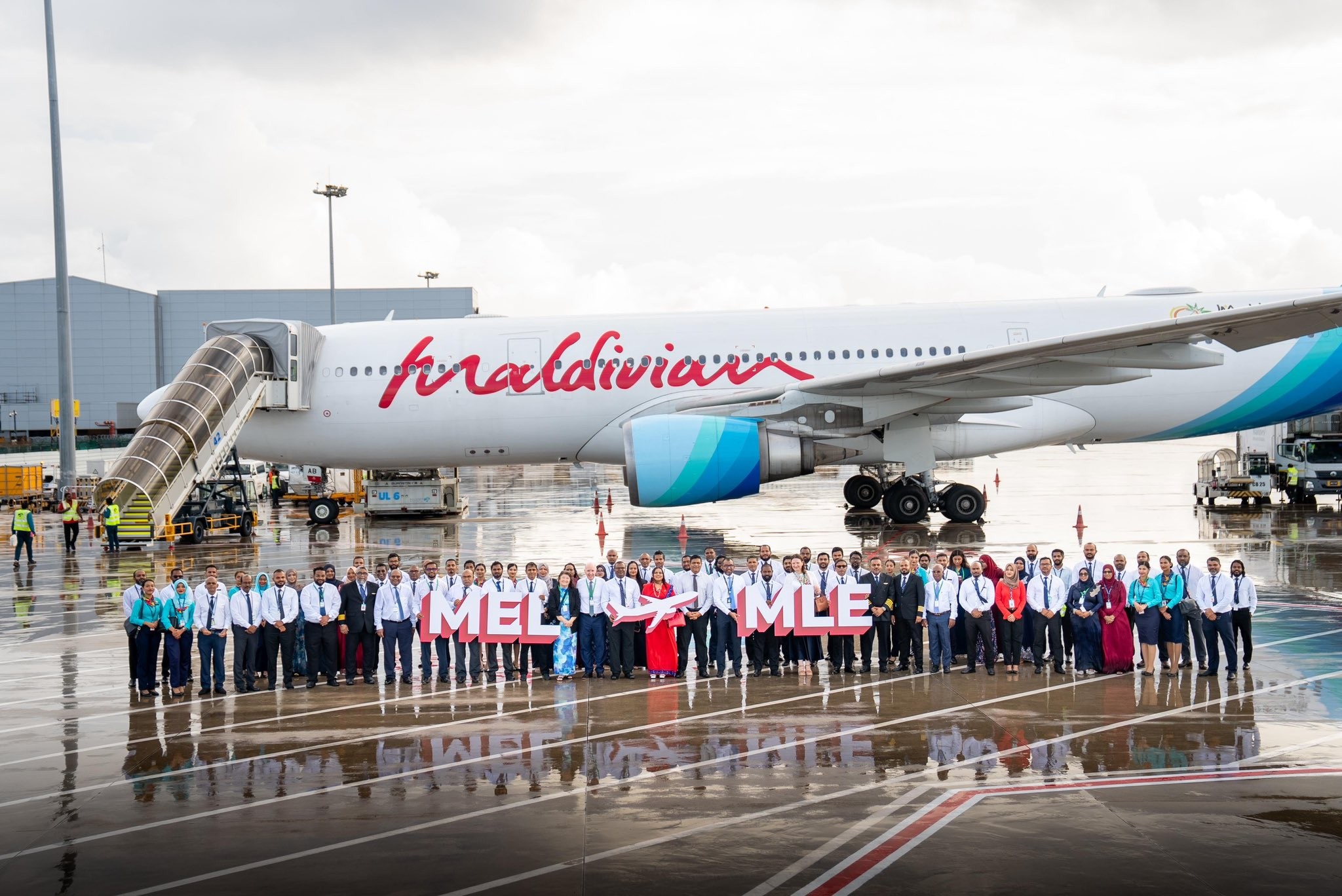
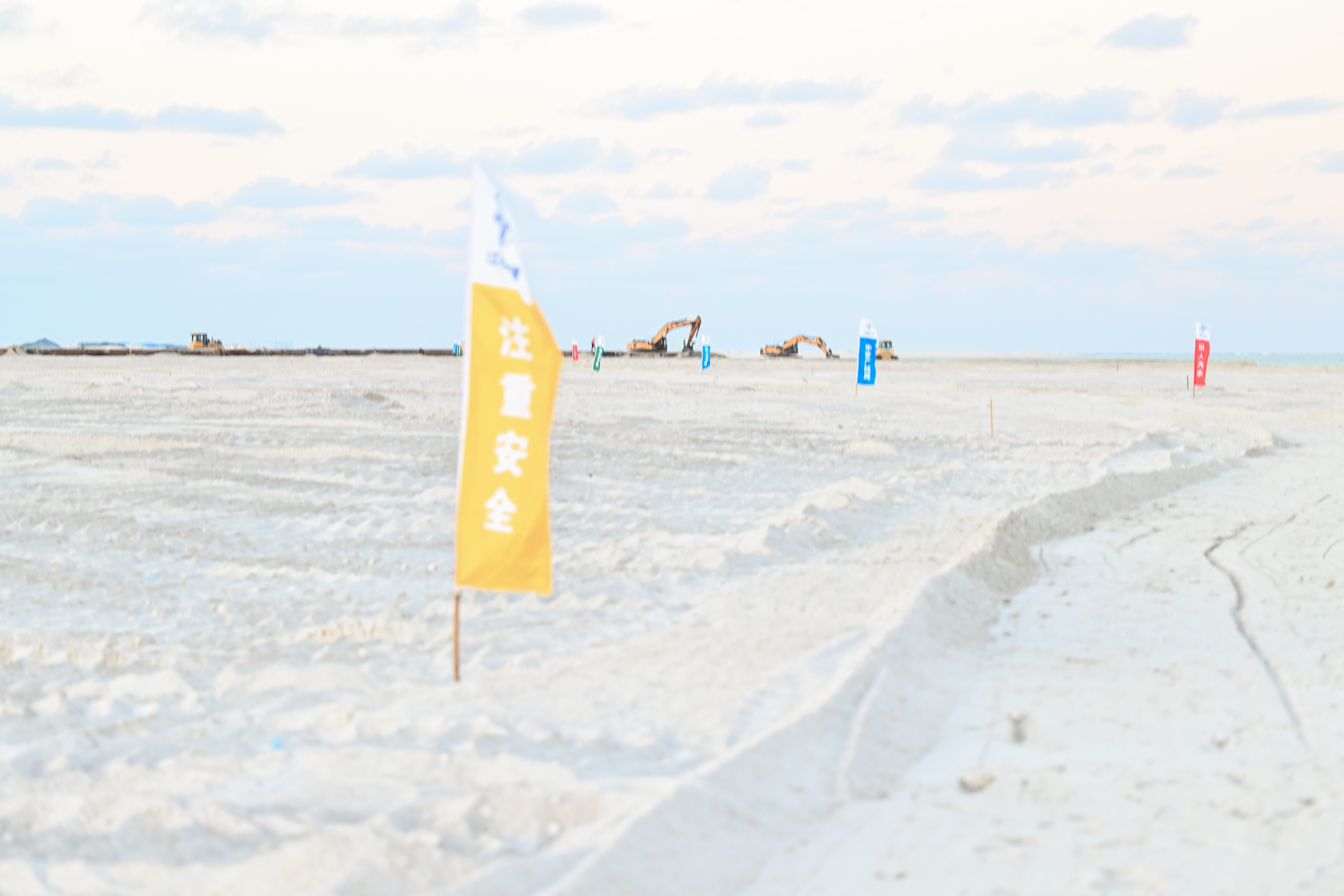
This process did produce tangible outcomes. Access to 24-hour electricity, desalinated water, sanitation systems, schools, health posts, regional facilities, paved roads, and air connectivity spread to islands that had long lacked basic services. Large swathes of land were reclaimed, even as many remained barren and unused years, sometimes decades, after completion.
Many of these projects were real achievements and mattered deeply at the local level. But they were delivered largely as standalone commitments, fulfilled through incremental, island-specific delivery, rather than as part of a coherent national spatial or population strategy. The result was a landscape rich in infrastructure but thin in the economic ecosystems needed to sustain population over time.
An uneven foundation
The move toward Malé did not begin recently, nor did it begin evenly. For much of the twentieth century, the Maldives was largely subsistence-based, especially outside the capital. Island economies revolved around fishing, small-scale trade, and household production. Formal education and health services were minimal, and economic mobility was limited.
Malé, however, was always structurally different. Even in the 1960s and 1970s, while many Malé residents still went fishing, the city functioned as the seat of government. It housed the civil service, small at the time but structurally significant, along with the administrative authority of the state and the country’s only source of regular salaried employment. There was no meaningful private sector anywhere at the time, but Malé already had organisation, hierarchy, and predictable income in a way the islands did not.
That early differentiation mattered. As the country began to modernise, Malé’s institutional and infrastructural head start shaped where economic activity and opportunity took root, initially through natural evolution and later through continued neglect, even as evidence of spatial imbalance and urban concentration became increasingly clear.
Once these imbalances were evident, the question was no longer whether consolidation was occurring, but how policy would respond to it. Instead of reshaping opportunity, successive governments chose the lower-risk political option of distributing visible, geographically dispersed infrastructure.
From subsistence to services
Against this uneven backdrop, the 1970s and 1980s marked a turning point. The mechanisation of fishing vessels improved productivity and incomes, while the advent of tourism created a new export sector and steady state revenue. For the first time, government had the capacity to invest at scale.
Those investments focused on essentials. Basic and primary education expanded during the 1980s. Health posts and regional facilities emerged. By the end of the 1990s, many islands offered schooling up to Grade 10, and social indicators improved sharply. Life in the islands became healthier, safer, and more stable than it had ever been.
But this phase of development had a clear limitation. It improved living conditions, not economic structure. Outside Malé, employment options remained narrow. Fishing modernised, but could not absorb a growing and increasingly educated youth population. The private sector began to emerge in the 1980s and 1990s, but almost entirely in Malé, closely tied to government, imports, tourism logistics, and services.
By the early 2000s, a clear pattern had formed. The islands had become far more viable places to raise children and complete basic schooling than in earlier decades, while Malé increasingly emerged as the place where post-secondary pathways remained spatially concentrated and where long-term futures were built.
Education without destinations
The expansion of education in the 2000s was a national achievement. Near-universal basic schooling was reached across the islands. Classrooms, teachers, and facilities became part of everyday island life, and far more students were able to complete secondary education than in earlier decades.
Yet education also revealed a structural gap. When students completed O-levels or A-levels, the next steps in higher education, vocational training, and professional certification were overwhelmingly located in the Malé Area. Universities, colleges, and training institutes clustered where faculty, accreditation bodies, and employers were already concentrated.
For many families, sending their children to Malé became the natural next step. What followed education was decisive. Employment opportunities, entry-level positions, internships, and career pathways were concentrated in the capital. Graduates found work where institutions, companies, and decision-making were located, and over time professional networks and income stability became anchored in the Malé Area.
Education initiated the movement, but employment determined where people stayed. Education expanded access, but most of the resulting opportunities remained in Malé. From there, the question was no longer where people studied, but where they could realistically build stable lives.
Housing as response, not driver
By the time large-scale housing development began, population consolidation in the Malé Area was already a settled reality. Movement to the capital region had long ceased to be temporary. Education, employment, and family formation had already anchored people in place, even as housing lagged far behind demand.
Over the past decade, the Malé Area absorbed the largest housing expansion in the country’s history. Public schemes and private developments reshaped the urban landscape, particularly in Hulhumalé, which grew into the country’s largest island by population.
For many residents, this expansion brought long-awaited relief. After decades of overcrowding, shared accommodation, and insecure living arrangements in Malé, new flats offered stability, space, and a measure of dignity that had been absent for much of the population. Housing formalised, stabilised, and absorbed an already consolidated demographic pattern, providing relief to a population that had lived with chronic insecurity for decades.
At the same time, these developments offered young families something their home islands could not. Secure, long-term housing within reach of employment, schools, and healthcare became possible. When the Sinamalé Bridge opened in 2018, Hulhumalé became fully integrated into a single metropolitan region. What had been planned as spatial expansion became capacity for an already consolidated population.
Acknowledging this reality does not require accepting it as inevitable everywhere. A small number of islands have managed to retain population and sustain local economies capable of supporting livelihoods beyond subsistence, with Kulhudhuffushi frequently cited among them. Its relative population retention reflects the presence of diversified economic activity, services, and regional relevance.
The lesson is simple and deeply human. There is no innate desire to leave home. Island communities have deep roots. People stay where futures are viable. Where economic ecosystems exist, people stay. Where only services exist, people are forced to leave.
This is not an argument for decentralisation, nor is it an argument against consolidation. Countries can and do succeed along either path. What matters is intent, alignment, and planning. In the Maldives, population patterns were allowed to evolve without a clear national decision on where people would live, work, and build their futures, and without institutions strong enough to manage that choice over time.
What emerged was not a planned outcome, but an accumulation of partial decisions. Infrastructure was delivered without ecosystems, education expanded without destinations, and housing was added later to absorb population where opportunity had already concentrated. The result is a capital region under strain and island communities still searching for durable futures, while public investment continues to chase symptoms rather than shape outcomes.
The question now is not where people should live, but whether a country can afford to keep not deciding.
 Advertisement
Related Articles
Maldives Rolls Out Flagship ‘Housing for All’ Scheme
January 19, 2026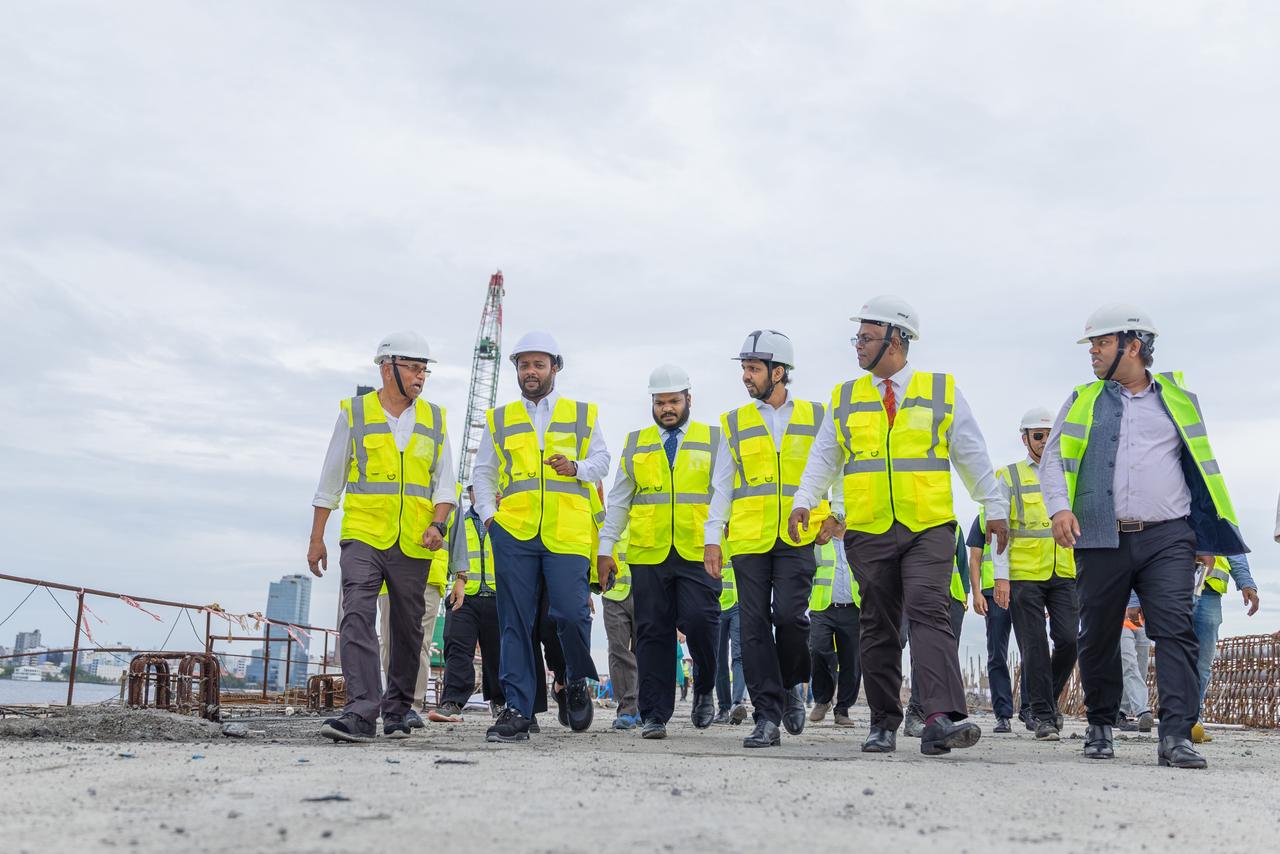
Govt Assures Thilamale' Bridge Quality as Project Reaches 72 Percent Completion
May 7, 2026
Maldives Settles USD 400 Million Dollar Swap, Secures New Indian Rupee Facility to Bolster Economy
April 24, 2026
Bank of Maldives Slashes Home Construction Equity to 5 percent, Aiming to Ease National Housing Burden
April 8, 2026Latest News
Fitch Upgrades Maldives Sovereign Rating to ‘CCC‑’ as Default Risk Eases
10 min read
Maldives Govt to Ban Social Media Access for Children Under 16
10 min read
Maldives Tourist Arrivals Rebound in May as Airlines Resume Routes
10 min read
UK Suspends Import Tariff on Maldives Fish Products
10 min read