Maldives President Calls for National Referendum on Concurrent Presidential and Parliamentary Elections

In a significant move that could reshape the democratic landscape of the Maldives, President Dr Mohamed Muizzu has issued the Presidential Decree, officially declaring a public referendum to determine whether future Presidential and Parliamentary elections will be held concurrently.
The decree, published late Monday, sets the stage for a nationwide vote to be held on 4 April 4, coinciding with the already scheduled Local Council and Women’s Development Committee elections.
The referendum will ask citizens: “Do you approve the ratification of the Eighth Amendment to the Constitution, which provides for the Presidential and Parliamentary elections to be held concurrently and for a change to the term of the Parliament?”
The proposed constitutional amendment, passed by the Parliament on 10 February, seeks to align presidential and parliamentary electoral cycles to occur simultaneously every five years.
Under the current framework, parliamentary terms conclude in May 2029, but the amendment would adjust the term to begin and end on 1 December, shortening the current 20th Parliament’s tenure by five months. As a result, the next general elections—originally scheduled separately for 2028 (presidential) and 2029 (parliamentary)—will now coincide in 2028, streamlining the electoral process and potentially increasing voter turnout and administrative efficiency.
The constitutional change falls under the Maldivian Constitution and the recently enacted Public Referendum Act, both of which mandate that certain amendments be submitted to a public referendum before presidential ratification. According to the Public Referendum Act, if the proposal secures a majority of votes cast, the President will be constitutionally bound to ratify and publish the amendment in the official Government Gazette within 15 days of the official results announcement. Failure to gain majority support will render the bill void.
The Elections Commission of Maldives (ECM) has been formally tasked with organising the upcoming referendum, ensuring it is conducted transparently, fairly, and in full compliance with legislative standards. The ECM is expected to release detailed logistical plans, voter education campaigns, and polling procedures in the coming weeks.
The outcome of the referendum could mark a turning point in Maldivian governance, as synchronising national elections may enhance political stability, reduce electoral costs, and strengthen governmental coherence. However, the move has also sparked debate, with some opposition figures and legal experts raising concerns about the implications of shortening the current parliamentary term and the broader impact on democratic continuity.
 Advertisement
Related Articles
Maldives Govt to Ban Social Media Access for Children Under 16
June 1, 2026
Bodies of Four Missing Italian Divers Found After Extensive Search Operation
May 21, 2026
Search for Missing Italian Divers in Maldives Suspended After Coast Guard Fatality
May 17, 2026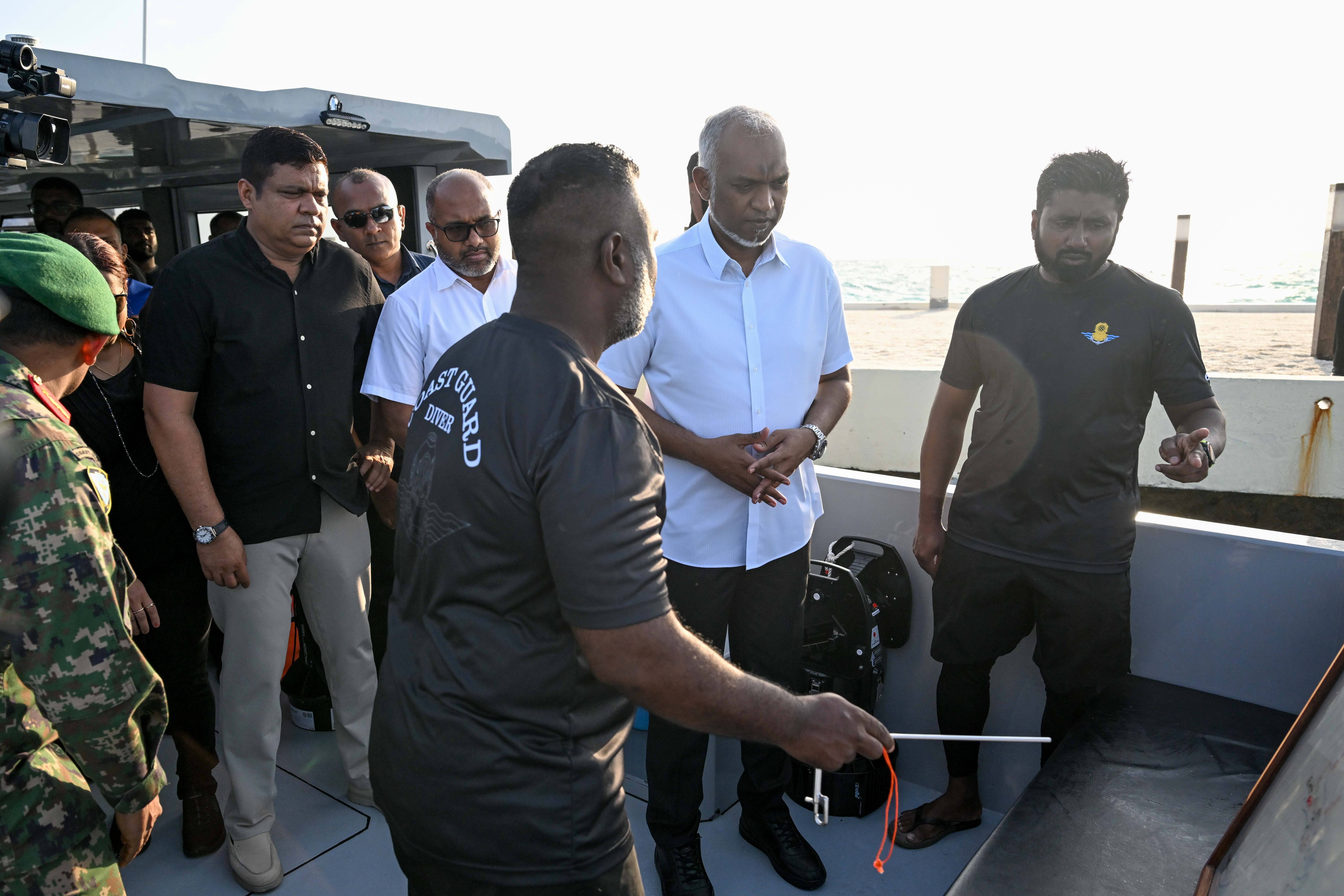
Maldives President Visits Tragic Diving Incident Site, Pledges Full Govt Support for Search Operations
May 16, 2026Latest News
Fitch Upgrades Maldives Sovereign Rating to ‘CCC‑’ as Default Risk Eases
10 min read
Maldives Tourist Arrivals Rebound in May as Airlines Resume Routes
10 min read
UK Suspends Import Tariff on Maldives Fish Products
10 min read
Maldivian Launches Direct Flights Between Maldives and Australia, Marking New Era in Travel Connectivity
10 min read