Maldives to Mandate 40 Percent Foreign Currency Exchange for Tourism Sector as MATI Sounds Alarm Over Sustainability
The Maldives Monetary Authority (MMA) has announced major proposed amendments to the nation’s Foreign Exchange Act, which will mandate that all tourism-related entities—including luxury resorts and gu...

The Maldives Monetary Authority (MMA) has announced major proposed amendments to the nation’s Foreign Exchange Act, which will mandate that all tourism-related entities—including luxury resorts and guesthouses—exchange 40 percent of their monthly foreign currency earnings through local banks.
The announcement, which marks a significant shift in the country's monetary policy, has drawn immediate and sharp criticism from the Maldives Association of Tourism Industry (MATI), which warns the move could severely destabilise the nation's vital tourism sector.
Central Bank Targets Dollar Shortage and Debt Servicing
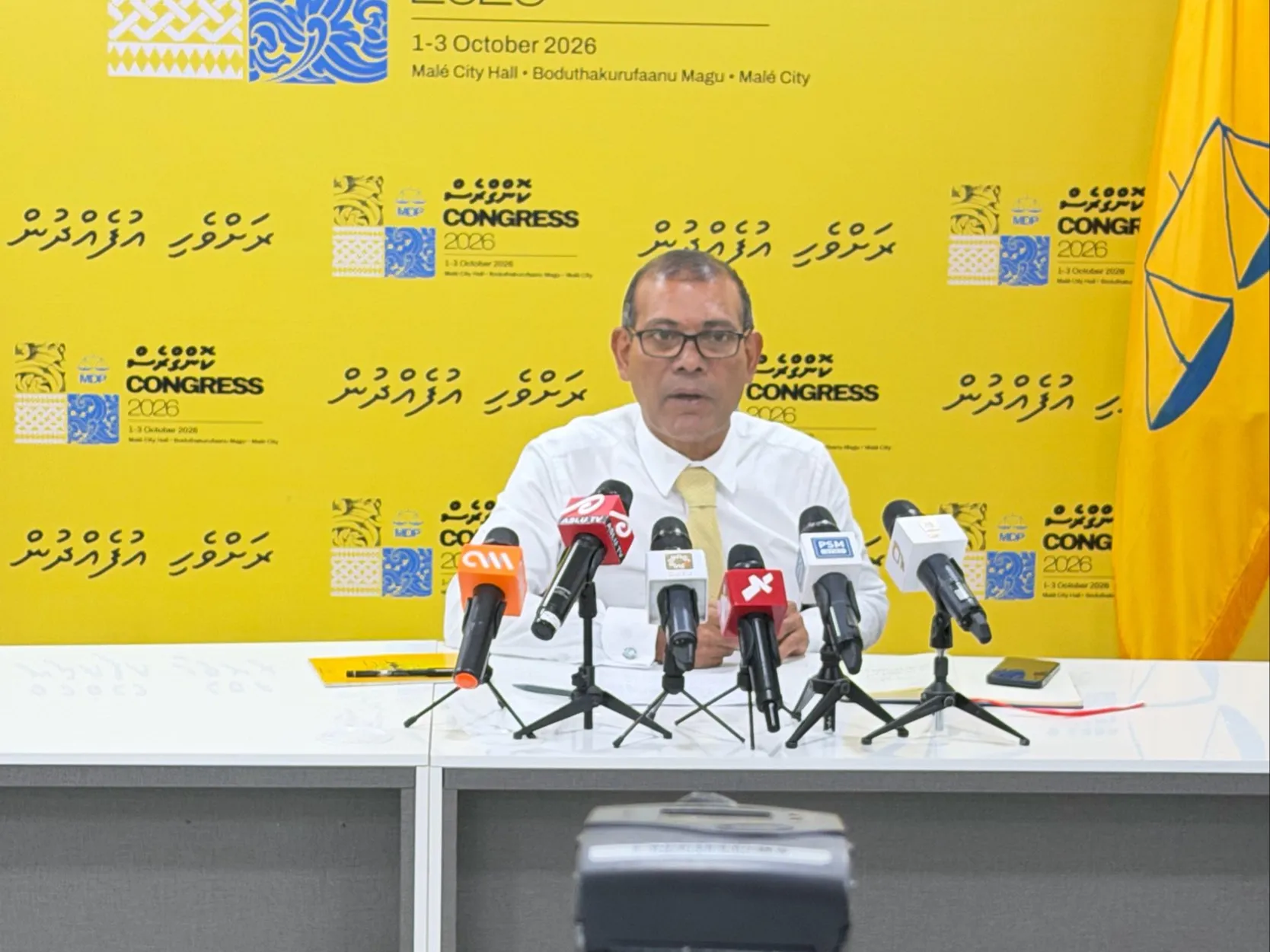
Speaking at a press conference held at the President’s Office, MMA Governor Ahmed Munawwar revealed that the proposed legislative changes will be submitted to the Parliament soon. The new framework will dismantle the current system, which allows foreign currency earners to either exchange a flat rate of USD 500 per tourist head or convert 20 percent of their total monthly revenue. Instead, a blanket 40 percent mandatory exchange rate will be enforced.
Governor Munawwar emphasised that the reforms are crucial to addressing the severe dollar shortage plaguing local businesses importing essential goods.

The only way to resolve the shortage of dollars needed for local business imports is for foreign currency earners to permanently exchange dollars through Maldivian banks, Munawwar explained.
He further revealed a stark fiscal reality—56 percent of the foreign currency exchanged with the MMA by businesses up to last month had to be utilised immediately to service mounting state debt.
The Governor also noted that additional legal amendments will strengthen monitoring measures, allowing authorities to strictly track how businesses utilise the remaining 60 percent of their foreign currency.
The Ultimate Goal: De-dollarising the Local Economy
According to the Governor, the central bank’s long-standing goal has been to ensure all goods and services sold by Maldivian businesses are priced exclusively in Maldivian Rufiyaa (MVR)—a vision he noted is shared by former governors Ali Hashim, Ahmed Naseer, Dr Azeema Adam, and Dr Fazeel Najeeb.
All goods and services must be priced in Maldivian Rufiyaa. This isn't something I am bringing up today. It is a conversation that has been happening for a very long time, Munawwar said.
He recalled that during Ali Hashim’s tenure under former President Ibrahim Mohamed Solih’s administration, plans were drawn up to require foreign currency earners to exchange up to 60 percent of their revenue at local banks. While the MMA had prepared the necessary regulatory groundwork at the time, the policy was never implemented.
Compounding the government's push, Homeland Security Minister Ali Ihusaan spoke at the press conference to allege that resort operators contribute heavily to the local black market, where US dollars trade at highly inflated rates. Minister Ihusaan revealed that government data suggests 90 percent of the funds circulating in the parallel black market originate from foreign-currency-earning businesses.
MATI Warns of Operational Paralysis
The Maldives Association of Tourism Industry (MATI), which represents 146 resorts across the archipelago, issued a strong counter-statement, asserting that a mandatory 40 percent dollar exchange rate is financially unsustainable.
MATI highlighted that resorts operate almost entirely within a dollar-denominated framework, requiring massive amounts of foreign currency to cover day-to-day operations.
Key USD-Denominated Expenses Cited by Resorts:
- Operational Costs: Fuel, food, and imported resort supplies.
- Labour: Employee salaries and mandatory service charges.
- State Obligations: Tourism Goods and Services Tax (TGST), Green Tax, withholding tax, and corporate income tax.
- Leases & Financing: Island lease rents and foreign currency loan repayments to international creditors.
In light of these heavy expenses, MATI has urged the government to modify the proposal, advocating for a 10 percent cap on the mandatory bank exchange rate. The association also requested that the government quickly resolve pending requests from resorts seeking legal exemptions due to unique financial obligations.
Addressing the Homeland Minister’s allegations of black-market complicity, MATI stated it has no information regarding such illegal transactions within its membership and consistently counsels all operators to comply fully with the law. The association argued that it is unjust to target the entire industry with restrictive regulations due to the alleged illicit actions of a few operators.
Reaffirming its commitment to the economic health of the Maldives, MATI expressed its readiness to engage in urgent consultations with the government and the MMA to find a fair, sustainable solution that supports national reserves without crippling the country's primary economic engine.
Leave a comment
Comments
No comments yet. Be the first to comment!