Maldives Steps Up Efforts to Recover Unpaid Tourism Revenues and Revive Delayed Projects
The government has launched a sweeping enforcement campaign to recover USD 97 million in unpaid resort rents and fines, while simultaneously cracking down on nearly 170 long-delayed resort development...
The government has launched a sweeping enforcement campaign to recover USD 97 million in unpaid resort rents and fines, while simultaneously cracking down on nearly 170 long-delayed resort development projects that have cost the state an additional USD 537 million in unrealised revenue.
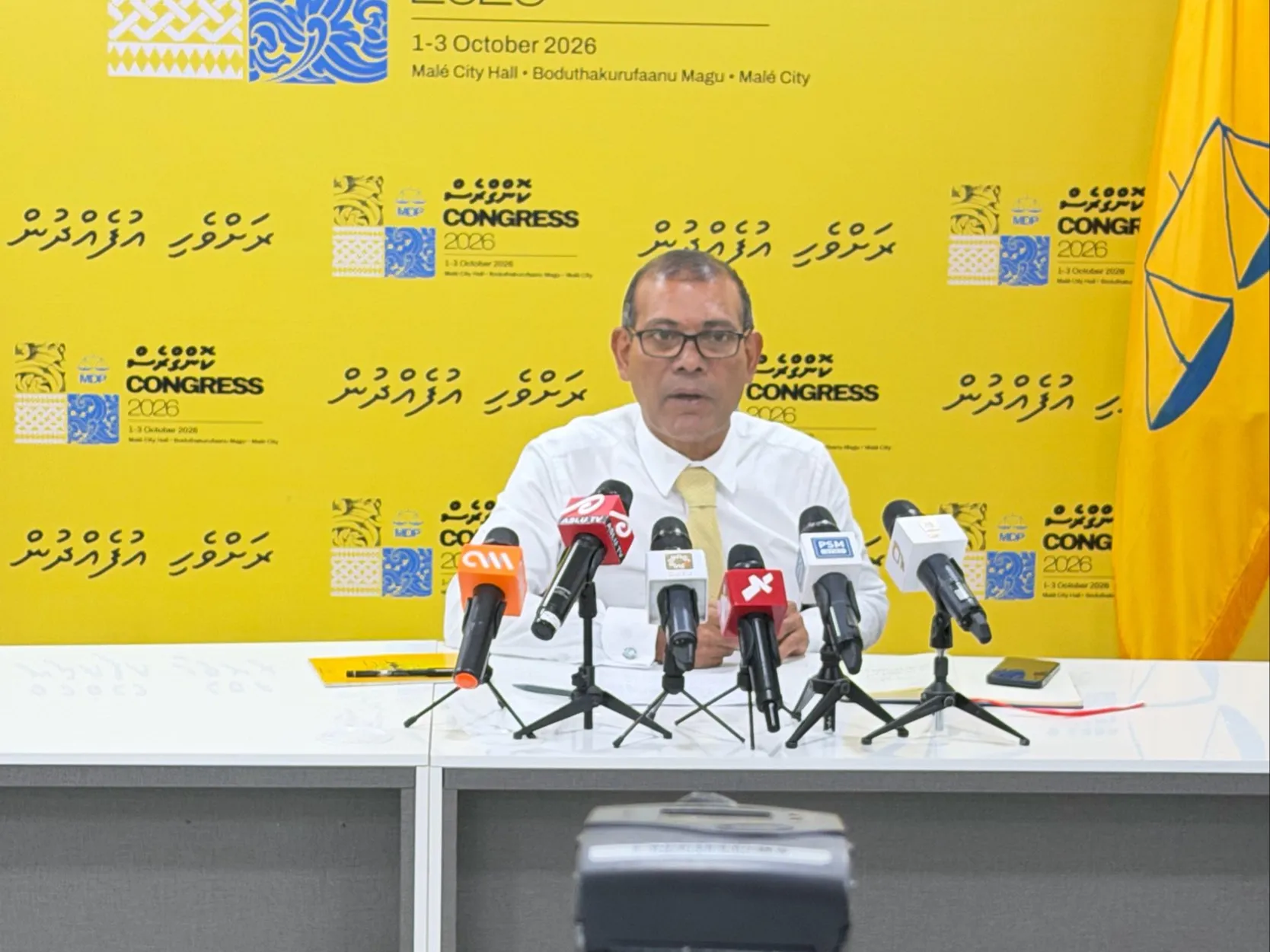
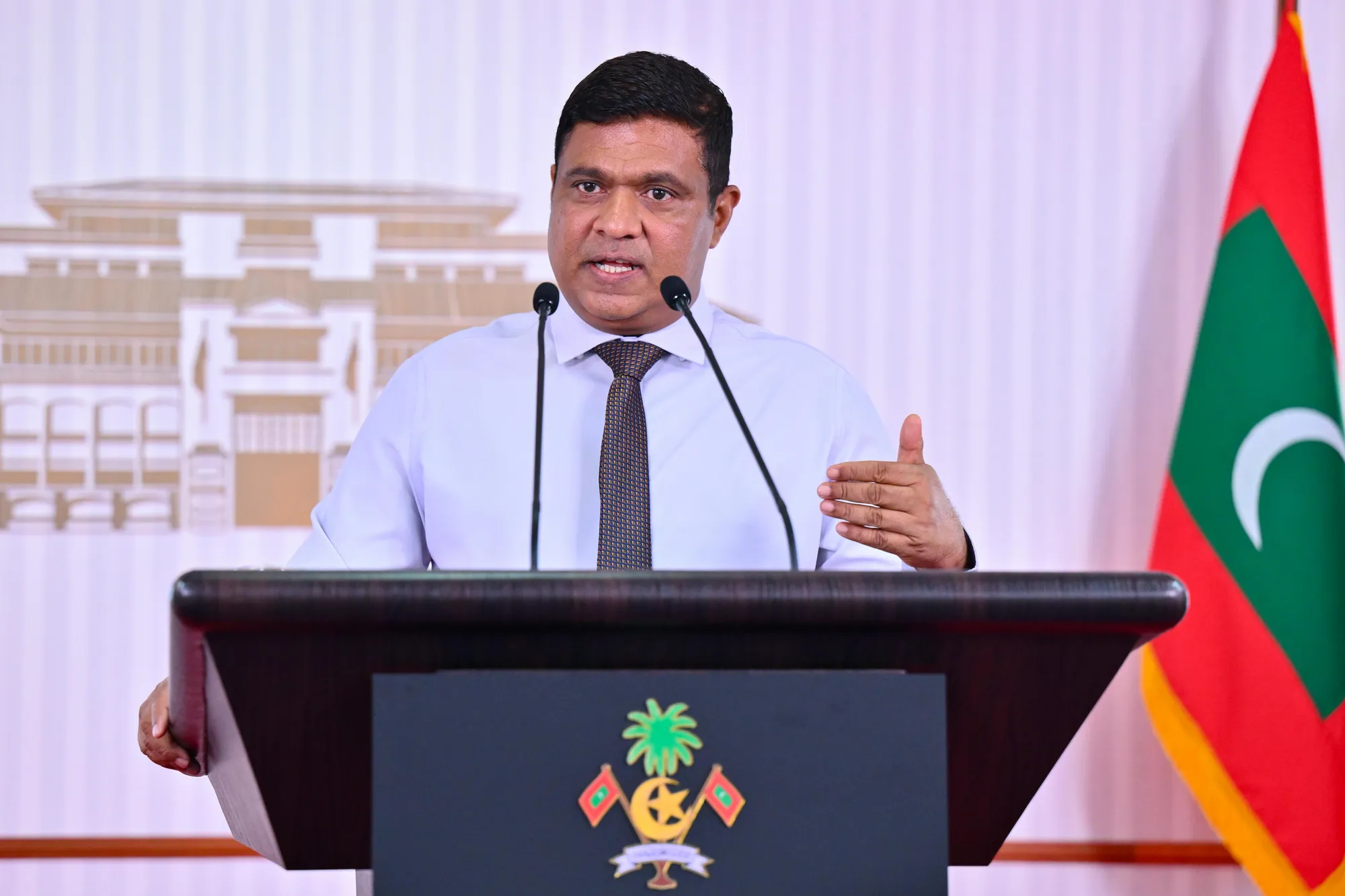
Speaking at a press conference at the President’s Office, Tourism Minister Mohamed Ameen announced the dual-track strategy, which combines aggressive rent recovery efforts with strict new regulations designed to strip inactive developers of their island leases.
Target: USD 97 Million in Unpaid Rents and Fines
Minister Ameen revealed that the state is actively pursuing USD 97 million in outstanding resort rents and penalties. While the Minister emphasised that the vast majority of tourism businesses in the Maldives comply with local laws and consistently pay their taxes and lease rents, he stressed that a small minority is undermining state revenue.
According to the Ministry, the defaulting parties include both currently operating high-end properties and resorts that have closed down without the Ministry’s authorisation. Some of these companies have not made a single lease payment since 2013.
We have made very good progress. We have established a system to take action against them within established frameworks, and recovery efforts are underway through dialogue with them,” Minister Ameen said, detailing the government’s recovery strategy.
Ameen noted that initial enforcement actions have already yielded positive results, warning that necessary legal actions will be pursued against entities that refuse to cooperate. The government's firm stance follows a scathing report published last year by the Auditor General’s Office, which concluded that the state’s historical practice of granting frequent concessions and waiving rent fines had actively encouraged resort operators to withhold payments.
Crackdown on 168 Delayed Projects Holding USD 537 Million in Revenue
In tandem with the rent recovery drive, the Tourism Ministry has gazetted highly anticipated regulations targeting unfinished resorts and prolonged project delays.
Minister Ameen blamed the current bottleneck on long-term neglect by previous administrations, which repeatedly extended construction periods rather than enforcing lease agreements.
Allowing anyone to hold onto islands designated for tourism development without taking any action is completely unacceptable. It simply shouldn't be that way. Some islands had their construction periods extended by up to 25 years,” he said.
Currently, there are 168 delayed, unfinished tourism development projects across the Maldives, a figure that includes 107 pristine lagoons. To date, the unpaid state revenue and lost economic activity from these stagnant properties stands at a staggering USD 537 million.
Under the newly gazetted regulations, long-delayed and unfinished projects will be categorised into four distinct classes of enforcement. Crucially, the Tourism Ministry now holds the legal authority to immediately terminate lease agreements for properties where no physical development has occurred for over eight years.
Balances and Economic Recovery
Recognising the complex financial structures behind these mega-projects, Minister Ameen clarified that the government would tread carefully where local and international banks are involved.
While implementing these regulations, action against parties that took bank loans to develop islands will be taken carefully to protect the rights of those institutions, he assured.
Ameen acknowledged that systemic issues plaguing the Maldives' primary economic sector for decades cannot be resolved overnight, but expressed confidence that the new regulatory framework would finally bring order to the industry.
These properties cannot remain in the hands of specific parties for such prolonged periods, Ameen said.
Leasing them under an agreement comes with the requirement to complete development and begin operations within a set period. Bringing them into operation is vital because the resulting tourists generate TGST (Tourism Goods and Services Tax), Green Tax, and Airport Development Fees for the nation.
Leave a comment
Comments
No comments yet. Be the first to comment!