Maldives Amends Law to End Double Taxation on Bulk Plastic Bags
President Dr Mohamed Muizzu has officially ratified a key amendment to the Waste Management Act, bringing much-needed economic relief to local businesses and consumers by correcting a major flaw in th...
.png)
President Dr Mohamed Muizzu has officially ratified a key amendment to the Waste Management Act, bringing much-needed economic relief to local businesses and consumers by correcting a major flaw in the nation’s plastic bag levy system.
Passed by the Parliament on Monday, the newly enacted amendment exempts bulk purchases of plastic bags from the controversial MVR 2 per-bag fee, marking a significant policy shift aimed at cutting operational costs and streamlining environmental regulations.
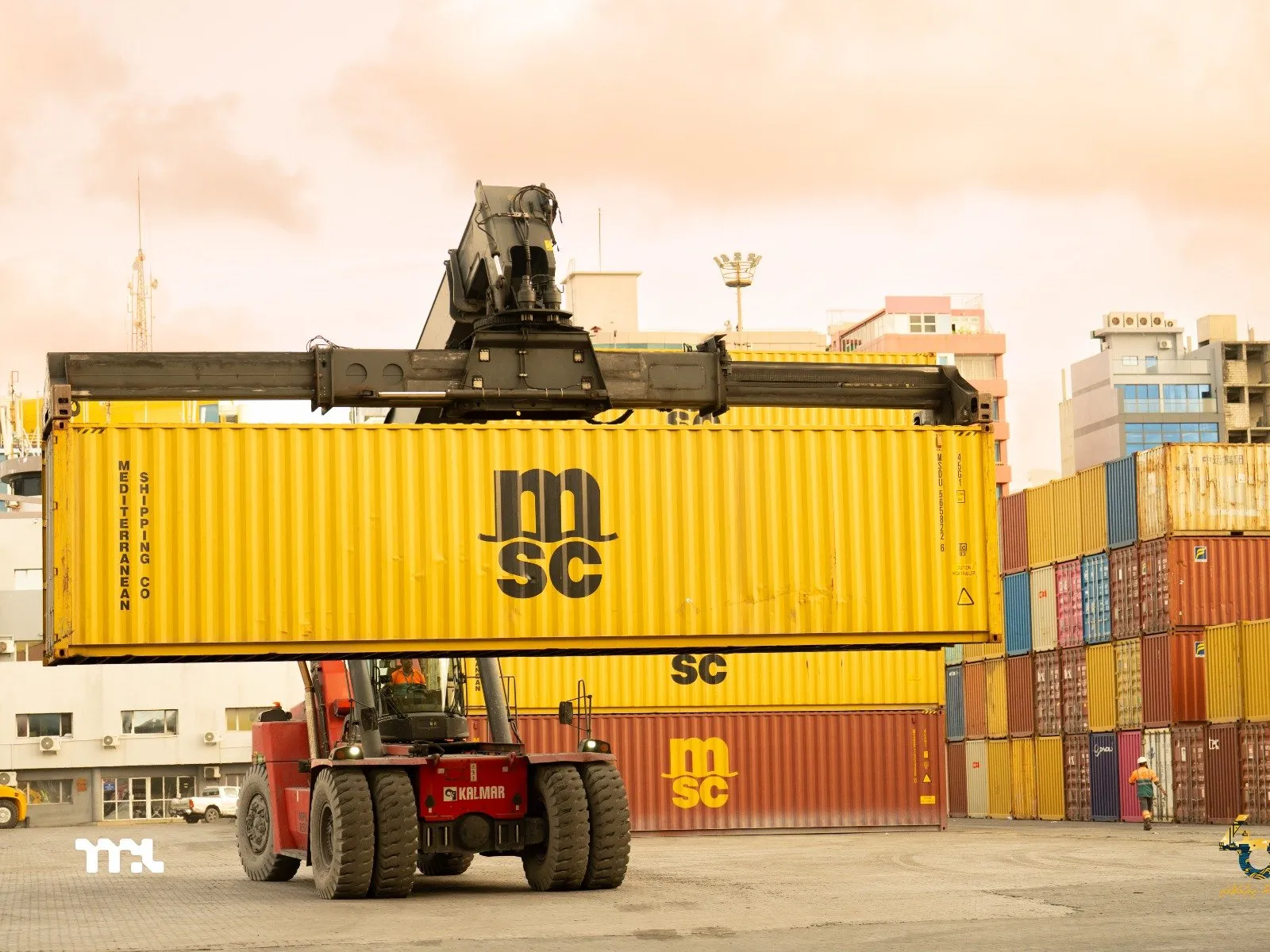
Under the initial framework of the Waste Management Act, the MVR 2 levy was applied at multiple stages of the supply chain. This resulted in a compounding double-taxation effect. Wholesalers were legally required to charge retail shops, cafes, and restaurants MVR 2 per bag on bulk purchases, and these businesses were then forced to pass the cost down to the end consumer. The new amendment decisively resolves this issue by stipulating that bulk packs containing more than 50 plastic bags are completely exempt from the fee. This exemption joins the previous short list of untaxed categories, which includes duty-free bags, bags used for uncompressed fresh fish, and dedicated waste bin liners.
The economic significance of this amendment cannot be overstated. Since the law's inception, local businesses—particularly small-to-medium enterprises (SMEs) like corner shops, tea stalls, and local diners—have voiced deep concern over the dramatic spike in packaging costs. By eliminating the fee at the wholesale level, the government has successfully dismantled a cascading financial burden on the business community, preventing artificial inflation of goods while keeping the environmental incentive intact at the final point of sale.
Beyond economic relief, the amendment introduces a critical mechanism to level the playing field by closing a major regulatory loophole. Previously, the bag fee was largely collected only by GST-registered businesses. The new amendment mandates that all businesses, including those not registered for GST, must collect the plastic bag fee. The Ministry of Environment has been tasked with drafting the specific regulations to manage and oversee these collections, ensuring that the environmental levy is applied universally and fairly across the economy. The Ministry has been granted a one-year grace period to finalise these regulations, after which the changes will fully take effect.
Additionally, the amendment refines the Maldives’ environmental governance structure. It grants the Environmental Regulatory Authority (ERA) the explicit power to draft regulations and issue fines for waste management practices that violate ministry standards. Concurrently, the Utility Regulatory Authority has been assigned the responsibility of establishing the guidelines and standards required to provide municipal waste management services.
Leave a comment
Comments
No comments yet. Be the first to comment!