Maldives Announces Increase in Dollar Allocation to Banks to Ease Off‑Season Foreign‑Exchange Shortage
The Maldives Monetary Authority (MMA) said it will inject an extra 25 percent of U.S. dollars into the banking system, a move designed to shore up liquidity during the country’s traditionally weak tou...
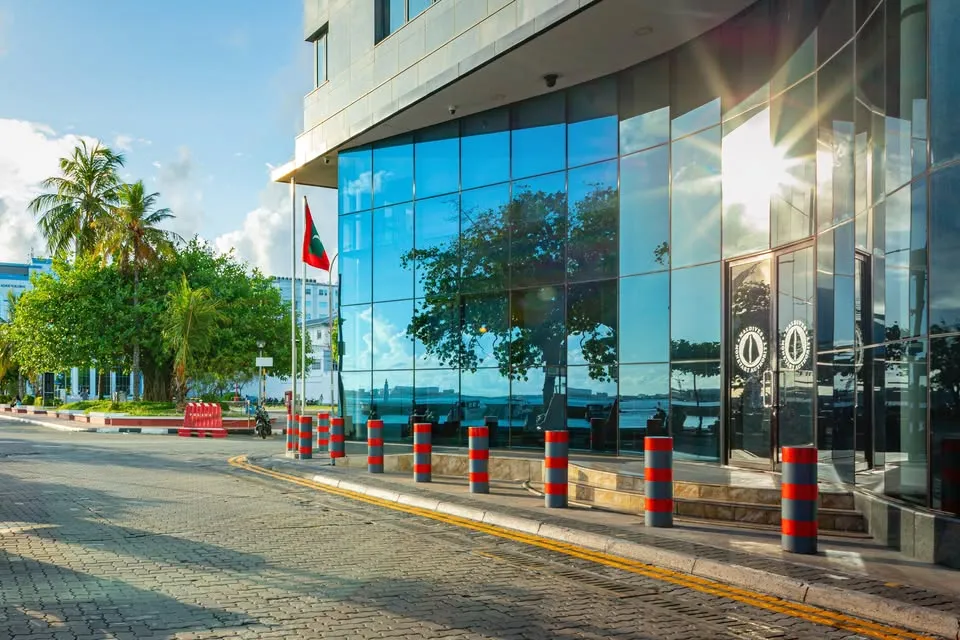
The Maldives Monetary Authority (MMA) said it will inject an extra 25 percent of U.S. dollars into the banking system, a move designed to shore up liquidity during the country’s traditionally weak tourism season.
The additional dollars will be released to banks weekly for the next three months, starting on 28 July.
The measure was taken to address the difficulties faced by the demand for remittances amid a period of declining foreign‑exchange earnings from tourism, the MMA said in a statement.
It described the extra allocation as a temporary safeguard to alleviate the foreign‑exchange shortage in the banking sector and to ensure that businesses and individuals can access the dollars they need for essential transactions.
Official data released by the MMA show that foreign‑exchange sales through banks in the first five months of 2026 rose 72 percent compared with the same period in 2025. The biggest surge was in funds earmarked for outbound medical treatment and education, which climbed 78 percent year‑on‑year. Sales for imports of fuel, staples, medicines and medical equipment also jumped 30 percent over the same span.
“The increased dollar supply will reduce foreign‑exchange congestion during the off‑season and strengthen the services banks provide to meet their customers’ needs,” the MMA noted. The announcement comes as tourist arrivals to the Maldives have fallen sharply over the past three months, driven by the ongoing conflict in the Middle East, leading to a noticeable drop in tourism revenue.
Over the past two years, the MMA has pursued a series of reforms to bolster the foreign‑exchange market, including tighter law‑enforcement, regulatory adjustments, enhanced management oversight, and closer engagement with banks to secure foreign exchange for priority sectors.
The latest dollar injection is intended to complement those reforms and smooth the transition as the country navigates a volatile tourism outlook.
Leave a comment
Comments
No comments yet. Be the first to comment!