Maldives Govt Uncovers Massive Trade-Based Money Laundering Scheme Amid Crackdown on Illegal Dollar Market
The government has launched a sweeping crackdown on sophisticated financial crimes following revelations of a massive trade-based money laundering network, illegal black-market dollar trading, and wid...
The government has launched a sweeping crackdown on sophisticated financial crimes following revelations of a massive trade-based money laundering network, illegal black-market dollar trading, and widespread visa sponsor negligence.
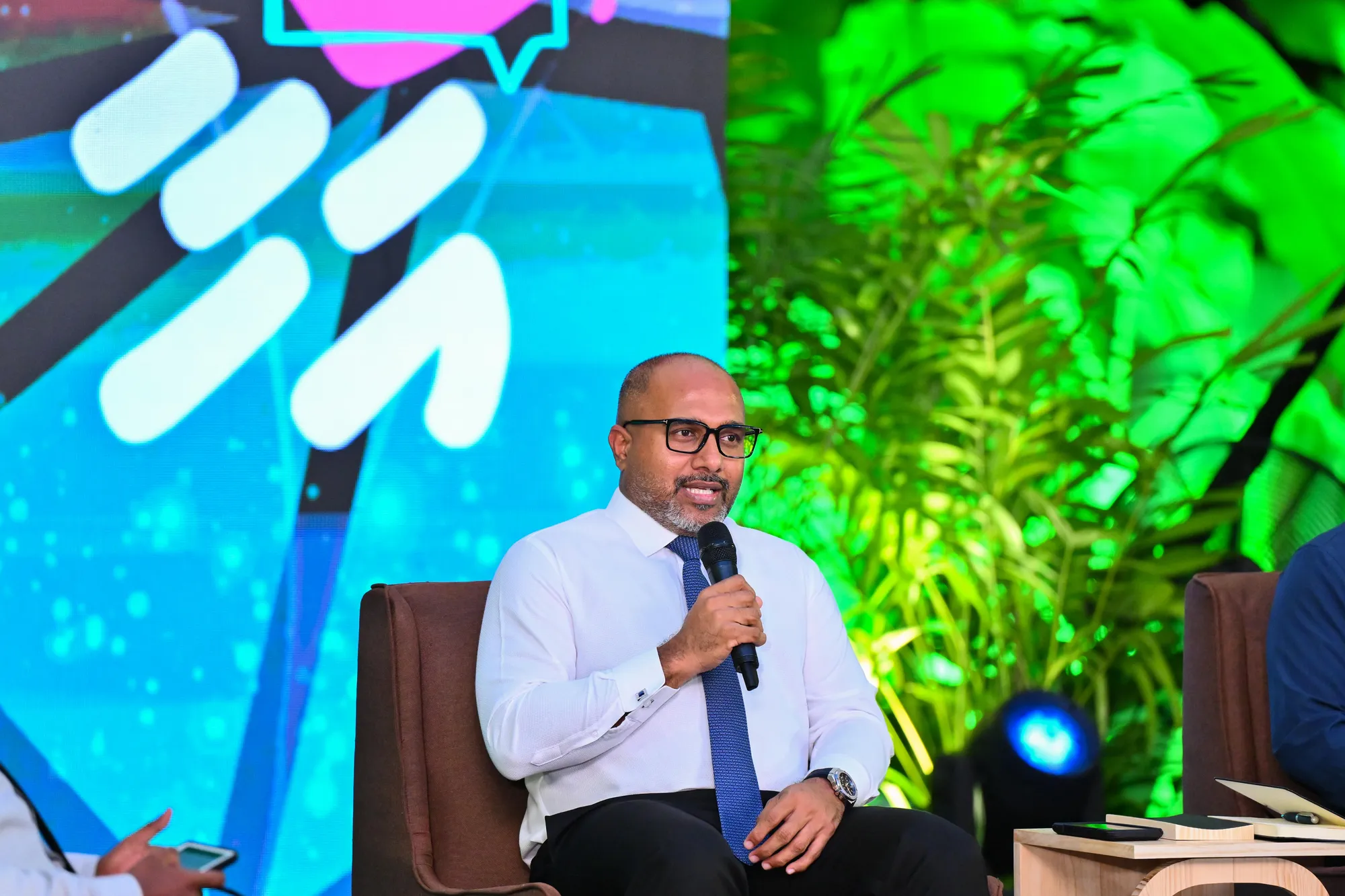
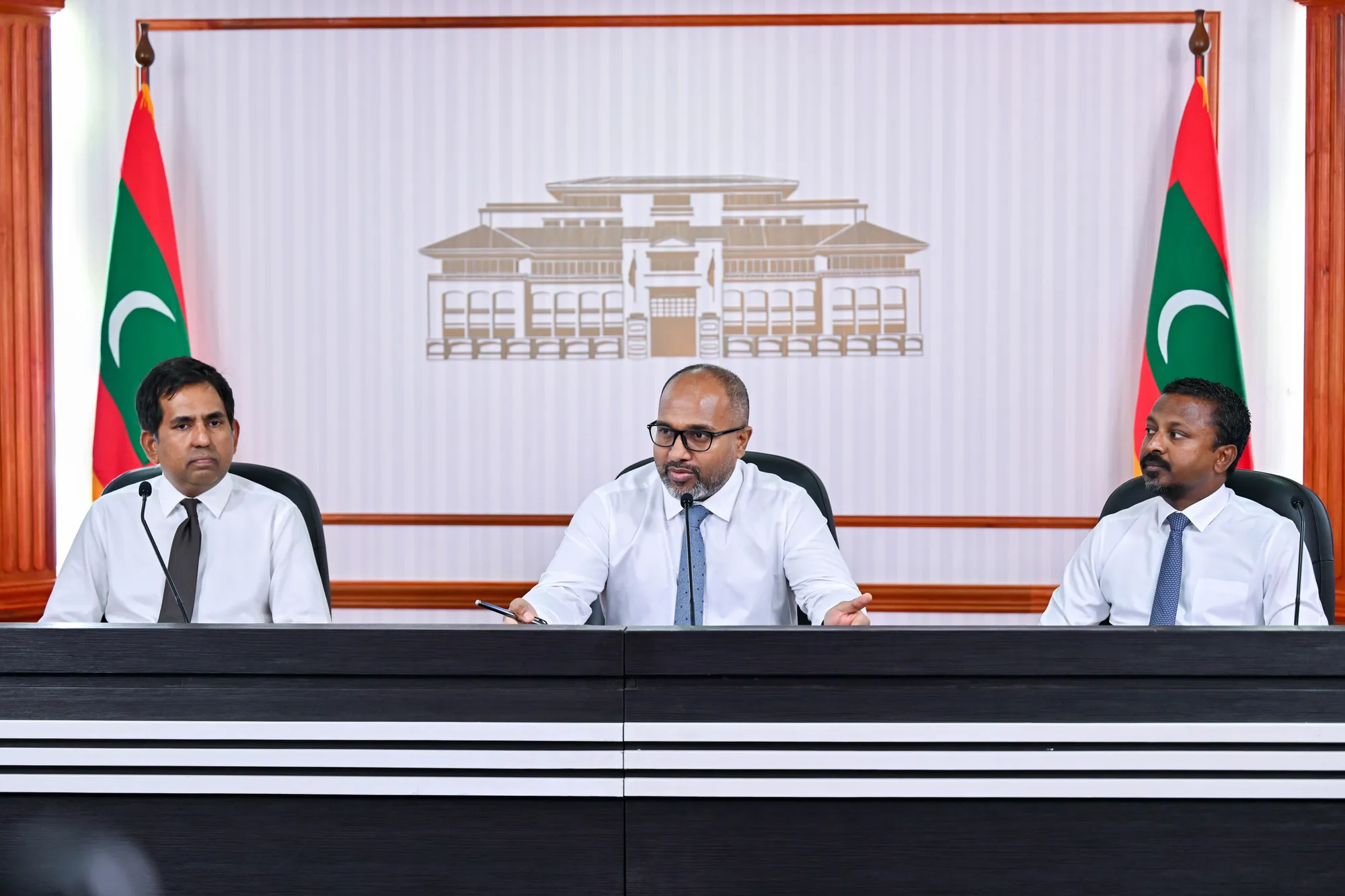
Speaking at a press conference held at the President’s Office, Minister of Homeland Security, Labour and Technology, Ali Ihusaan revealed that authorities have detected systemic abuse of the banking system, where millions of dollars in foreign currency are being funneled abroad under the guise of imports that never actually arrive in the country.
The Illusion of Imports: Trade-Based Money Laundering
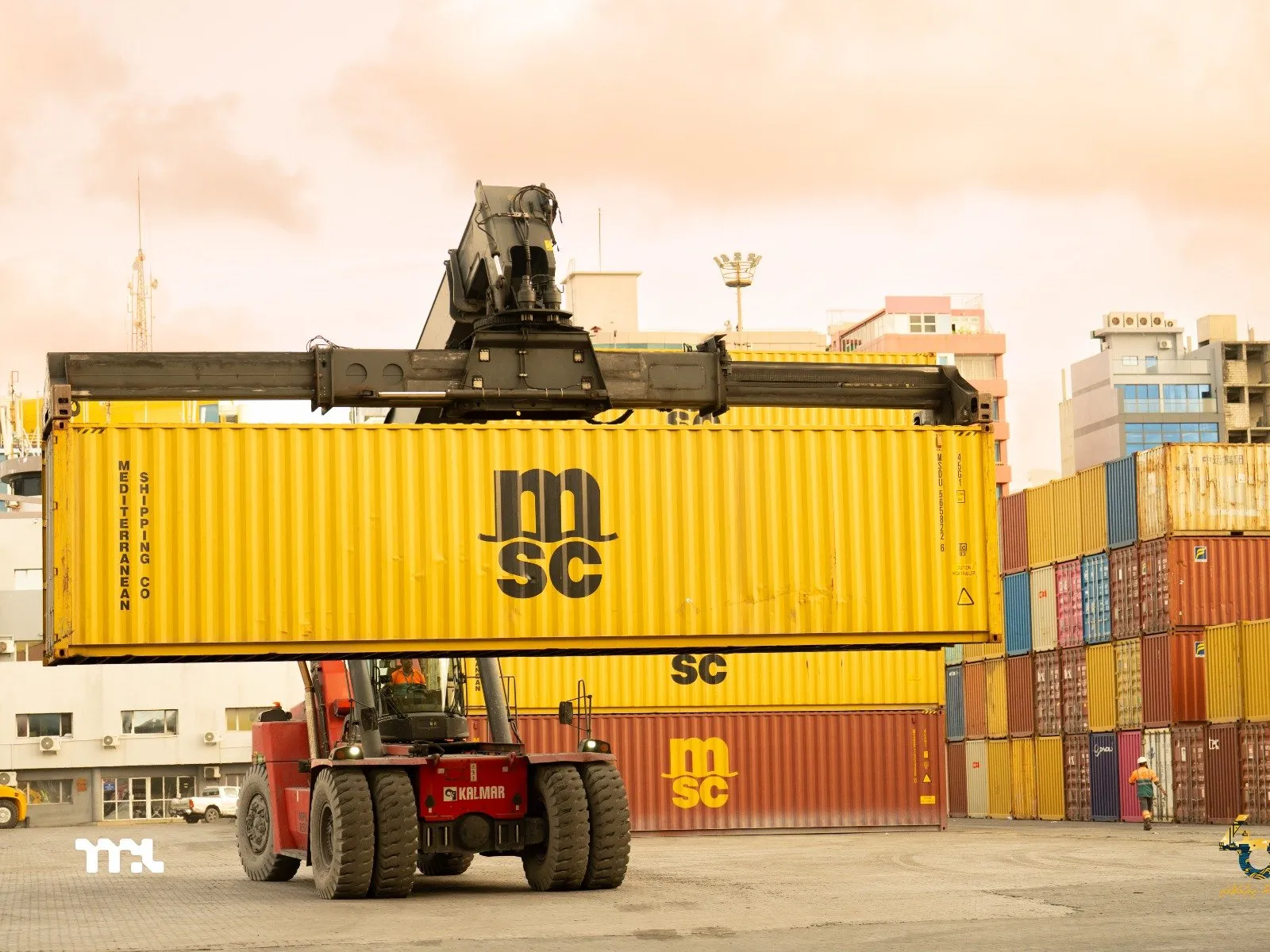
According to Minister Ihusaan, joint investigations carried out under a Memorandum of Understanding (MoU) signed between the Bank of Maldives (BML) and Maldives Customs Service uncovered a highly organised pattern of financial deception. The probe revealed that numerous individuals and businesses have been executing Telegraphic Transfers (TTs) through local banks to secure scarce foreign currency, ostensibly to pay for imported goods. However, the associated goods never reach Maldivian ports.
“While working under the MoU signed between the Bank and Customs, we noticed that for some individuals making large-value TTs, the goods associated with these transfers never arrive in the Maldives,” he revealed.
When questioned by authorities regarding the delayed shipments, perpetrators frequently claim the transactions are advance payments. Yet, Ihusaan noted that even a year after the TTs are processed, no goods materialise. In other instances, suspects claim the transfers represent outstanding balances for previously imported items. However, verification of the invoices submitted for these claims revealed that those goods had also never entered the Maldives.
“This is called trade-based money laundering,” he warned, adding that the illicit funds are not merely commercial tax evasions.
“We are now noticing that this route is being used for drug trafficking and for remitting foreign workers’ wages abroad.”
The Minister declared that these fraudulent transactions will be treated as high-level trade-related money laundering cases, subjecting those involved to rigorous criminal investigations and asset-seizure laws. He emphasised that a lack of stringent law enforcement by past administrations would no longer serve as an excuse or an opportunity to commit financial crimes.
The Black Market Dollar Trade and Money Laundering
Beyond high-level trade fraud, Minister Ihusaan addressed the rampant parallel currency market operating within the country. Under Maldivian law, any individual or entity earning income in US dollars must exchange those funds exclusively through commercial banks or authorised currency exchange license holders.
However, police intelligence and recent operations have exposed a thriving underground market where businesses and unauthorised individuals trade millions of dollars directly.
“Among the cases currently under investigation, we have found that dollars are being sold to business owners without going through a bank or an authorised money exchanger, when neither party holds a license to exchange money,” Ihusaan said.
He issued a stark legal reminder to the public, warning that exchanging foreign currency through unauthorised channels is a criminal offense, and subsequent usage of those funds is legally classified as money laundering.
“Using money obtained from a criminal offense for personal matters amounts to committing money laundering,” the Minister clarified, warning that both the buyers and sellers in these unauthorised transactions face severe prosecution.
‘Cooking’ Dollar Deals: The Foreign Worker Web and Sponsor Negligence
The Minister highlighted the heavy involvement of expatriates in these underground networks, revealing that a major law enforcement operation is currently underway. Police have targeted 12 high-profile ringleaders orchestrating large-scale illegal currency trading, nine of whom are already in custody.
Minister Ihusaan expressed deep frustration over the complicity and negligence of local Maldivian sponsors. He noted that as soon as foreign nationals are arrested for serious financial crimes, local sponsors immediately attempt to shield them from deportation or prosecution by downplaying their roles.
“When someone is taken into detention, a Maldivian comes forward claiming, ‘This is my home cook.’ But that person has been out on the streets day and night ‘cooking’ dollar deals,” Ihusaan said.
He urged Maldivians to take their legal responsibilities as visa sponsors seriously, warning that recruiting foreign workers and letting them roam unsupervised to engage in illegal activities is a punishable offense.
“We need to be far more responsible than this. We cannot simply bring a foreigner to the Maldives, release them onto the streets without keeping track of what they are doing, and then, when law enforcement arrests them, expect it to be enough to just say, ‘He works at my home’ or ‘He is my driver,’” the Minister asserted.
To combat this negligence, the government will enforce strict statutory penalties. Under existing Maldivian immigration laws, any local sponsor found negligent in overseeing an imported foreign worker will face a fine of MVR 50,000.
Corner-Shop Fronts and Border Interceptions
The press briefing also shed light on the operational tactics of these syndicates. In many cases, everyday retail establishments, such as corner grocery shops, are being quietly converted into illegal, foreigner-operated currency exchange hubs.
According to Minister Ihusaan, once local salaries or illicit earnings are collected at these locations, the funds are deposited into Maldivian-owned business bank accounts to blend in with legitimate commercial revenue. The syndicate members then withdraw physical US dollars daily, pool the cash, and attempt to smuggle the physical currency out of the country through transit hubs.
“They then withdraw dollars daily, convert them, pool the cash, and attempt to hide and smuggle those dollars abroad—and our authorities are now intercepting them at the border,” Ihusaan revealed.
The Minister issued a stern warning to local facilitators, stating that law enforcement agencies are actively tracking down the masterminds of these operations and will show zero tolerance toward Maldivians acting as fronts for illegal expatriate-run cartels. He strongly advised citizens to distance themselves from these networks before they face hefty fines, criminal records, and potential prison sentences.
Leave a comment
Comments
No comments yet. Be the first to comment!