Maldives Announces Crackdown on 'Money Mules’ with Criminal Charges for Renting Bank Accounts
In a decisive move to combat a surging wave of financial fraud, Prosecutor General Abbas Shareef has announced that authorities will officially press criminal charges against individuals who rent, len...
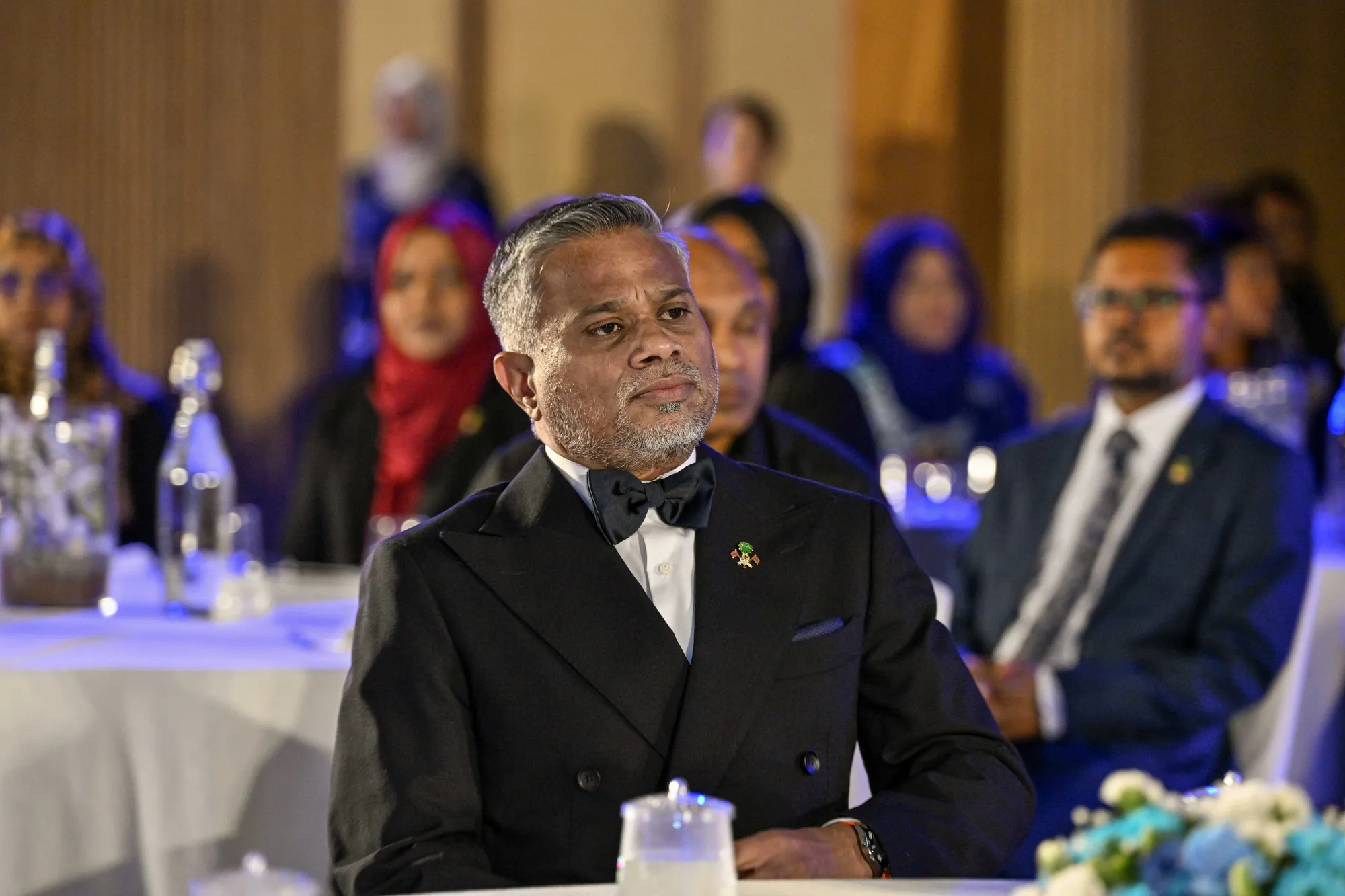
In a decisive move to combat a surging wave of financial fraud, Prosecutor General Abbas Shareef has announced that authorities will officially press criminal charges against individuals who rent, lend, or hand over their personal bank accounts and cards to others.
Speaking to local media outlet ‘Mihaaru’, PG Abbas explained that the sweeping policy shift is a direct response to the escalating frequency of financial crimes utilising third-party accounts. Investigators have noted a widespread reliance on intermediaries—often referred to as money mules—to obscure the trail of illicit funds.
“Once the police complete their investigation and send the cases to the PG Office, we will review them on a case-by-case basis and press charges,” he warned, emphasising that prosecutions will proceed where evidence indicates individuals knowingly surrendered their accounts for illicit use.
According to the Prosecutor General’s Office, these third-party accounts have become the backbone of modern financial crimes, frequently exploited to circulate scam proceeds and facilitate illegal black-market currency exchange schemes operating outside regulated rates.
“In scam cases, we heavily notice the use of other people's accounts to circulate money rather than the perpetrator's own. Therefore, our plan now is to treat these issues seriously and press charges,” Abbas said.
The PG Office further clarified that renting out or allowing others to use personal accounts will be treated as direct facilitation and aiding of money laundering. Officials stressed that acting as an intermediary for suspicious funds carries severe legal consequences, and pleading ignorance will no longer serve as a viable defense.
“Whether an account or card is rented out or given for free, if an illegal act or money laundering occurs through that card, the card owner can be charged with aiding, abetting, or facilitating money laundering,” a PG Office official explained.
“In that situation, the account owner cannot simply say, 'I didn't know, I just rented out my account.' Saying that will not excuse them from liability.”
Investigators warned that excuses such as it’s not an account I use or I gave the card to someone else will not shield account holders from accountability. Beyond facing criminal charges, offenders will also be compelled by the courts to return the illicitly obtained funds.
The crackdown follows a visible spike in social media advertisements—particularly on platforms like TikTok and Telegram—luring individuals with promises of easy cash in exchange for renting out their bank accounts.
In tandem with the PG Office's announcement, the Anti-Scam Centre has issued renewed warnings to the public, stressing that bank accounts are strictly personal and that account details, PINs, and One-Time Passwords (OTPs) must never be shared under any circumstances.
The Maldives Police Service echoed these warnings, noting that participating in account-renting schemes directly abets major financial crimes, exposes individuals to severe criminal liability, and risks getting them permanently blacklisted from national banking services.
This aggressive legal posture builds upon previous concerns raised by the Bank of Maldives (BML) regarding the systemic misuse of debit and credit cards to exploit foreign exchange limits. Last year, authorities uncovered a massive scheme in which a single individual took more than 100 separate bank cards abroad to siphon foreign currency.
With the new prosecutorial framework now in place, authorities hope to dismantle the networks of willing and unwitting intermediaries that allow financial predators to operate with impunity.
Leave a comment
Comments
No comments yet. Be the first to comment!