From Master Plan to Compromise: How Deviating from Expert Design Impacted Velana International Airport
The story of the Maldives’ aviation gateway begins with a simple lesson: massive infrastructure cannot rise without the steady hand of technical experts. In the early 1960s, Prime Minister Ibrahim Nas...
The story of the Maldives’ aviation gateway begins with a simple lesson: massive infrastructure cannot rise without the steady hand of technical experts. In the early 1960s, Prime Minister Ibrahim Nasir turned to Colombo’s Public Works Department for civil engineers, asphalt‑boiling equipment and skilled labour, recognizing that the fledgling nation lacked home‑grown expertise. Under their guidance, Hulhulé Airport took shape on 1 May 1964, its runway laid precisely to the engineers’ designs. Nasir’s deference to professional advice laid the foundation for what would become the country’s primary economic engine.
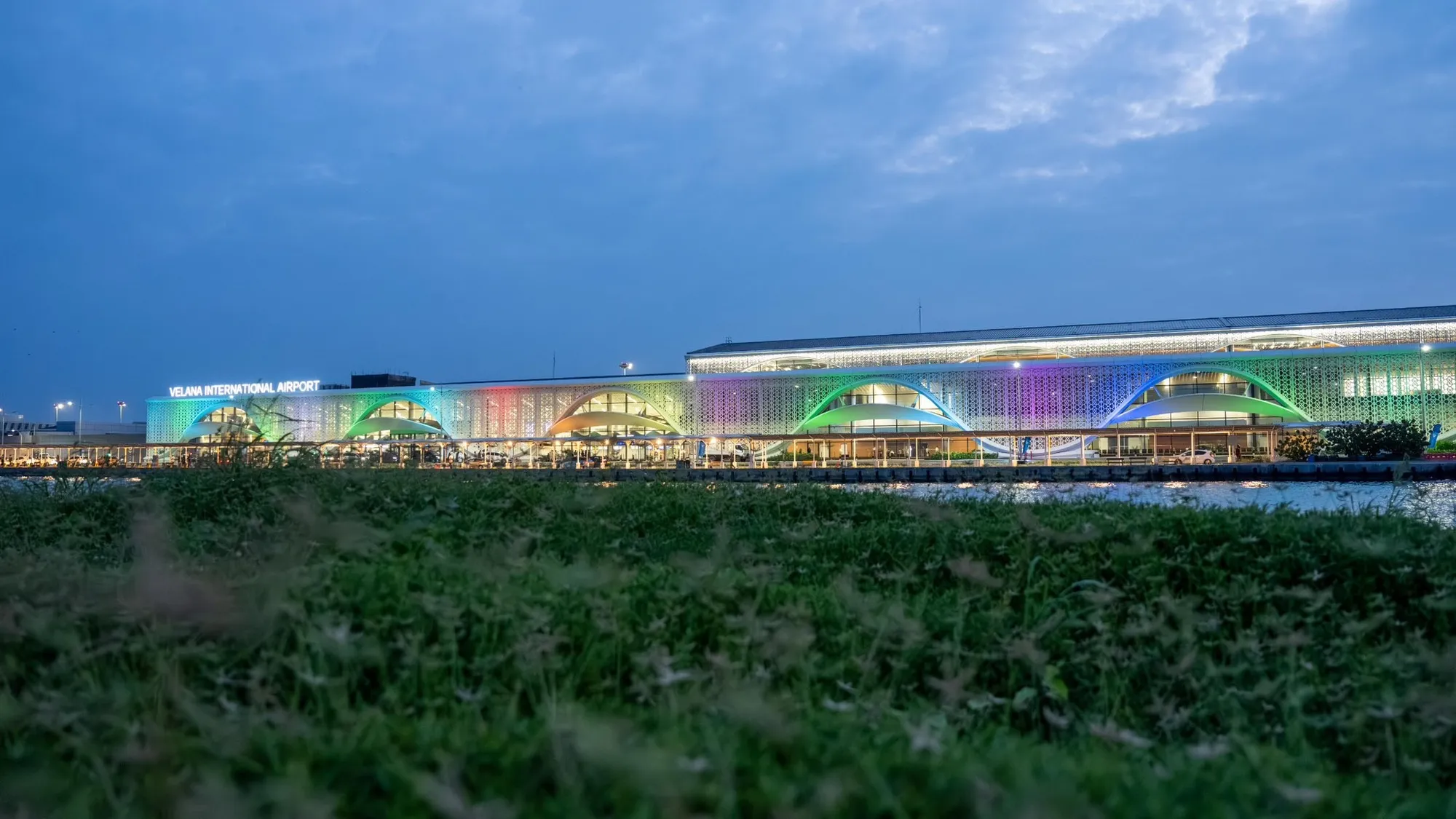
Fast‑forward to the present, and the same principle appears to have been abandoned. Velana International Airport’s new terminal—valued at over US $300 million and designed to handle seven million passengers a year—opened amid fanfare, yet within months travellers found themselves drenched by monsoon rains, baked under scorching sun while queuing for taxis, and forced to navigate a confusing access road bereft of standard signage.
The root of these woes traces back to the 2014‑2015 Master Planning and Feasibility Studies conducted by Singapore‑based Surbana Jurong, the firm behind Changi Airport’s acclaim. Their climate‑responsive blueprint promised sheltered passage from wind, salt spray, torrential downpours and intense sunlight, complete with covered walkways and an entry route that kept passengers dry. The design was finalised in 2016 and entrusted to Saudi Binladin Group for construction.
Yet, according to a former project consultant who spoke on condition of anonymity, “Every president feels the need to meddle with it and change it according to their own preferences. What we are seeing now is the result of doing so.”
The alleged meddling began when Mahjoob Shujau was appointed to oversee airport development. The then President Ibrahim Mohamed Solih subsequently declared at a January 2019 press conference that “no complete design was visible,” despite columns already being erected. The then Tourism Minister Ali Waheed’s push to showcase Maldivian cultural identity further diverted the original plan.
By April 2022, the “Ocean Wave Terminal Design” was unveiled, redirecting departing passengers to a gate‑area entrance that left the corridor unusable during the South‑West Monsoon. Engineers repeatedly warned that the layout would expose travellers to rain and heat, but the concerns were ignored. Even after the COVID‑19 pause, construction resumed without remedying the flaw, while the new management under MACL’s Mohamed Shareef had little option other than to push through the completion of the long-delayed project.
Senior figures involved in the original master plan insist that the initial design featured seamless, sheltered access, akin to flyovers found at other international hubs that allow passengers to move between levels without exposure to the elements.
“In the original drawings, passengers disembarking from speedboats could enter and exit the terminal without getting wet or being exposed to the sun,” one anonymous source noted.
Beyond the terminal itself, the airport’s approach road lacks the signage and layout prescribed for an international gateway, leaving drivers bewildered. Plans to showcase local Maldivian cuisine remain “on paper,” while MACL’s resources have been diverted to projects outside of its mandate.
The cascade of problems—wet entrances, sweltering queues, confusing signage, and unrealised amenities—stems from a single decision—sidelining the expert‑driven master plan that Prime Minister Nasir once championed.
As the Maldives looks to sustain its tourism‑driven economy, the lesson is clear—reverting to the disciplined, evidence‑based approach of the past may be the only way to ensure that the nation’s main gateway serves its people—and its visitors—with the reliability and comfort it promises.
Leave a comment
Comments
No comments yet. Be the first to comment!