“Maldives 2.0”: A New Digital Era for the Maldives
The Maldives is moving towards a future where government services can be accessed with just a few clicks, instead of requiring people to prepare numerous documents and make repeated visits to governme...
The Maldives is moving towards a future where government services can be accessed with just a few clicks, instead of requiring people to prepare numerous documents and make repeated visits to government offices.
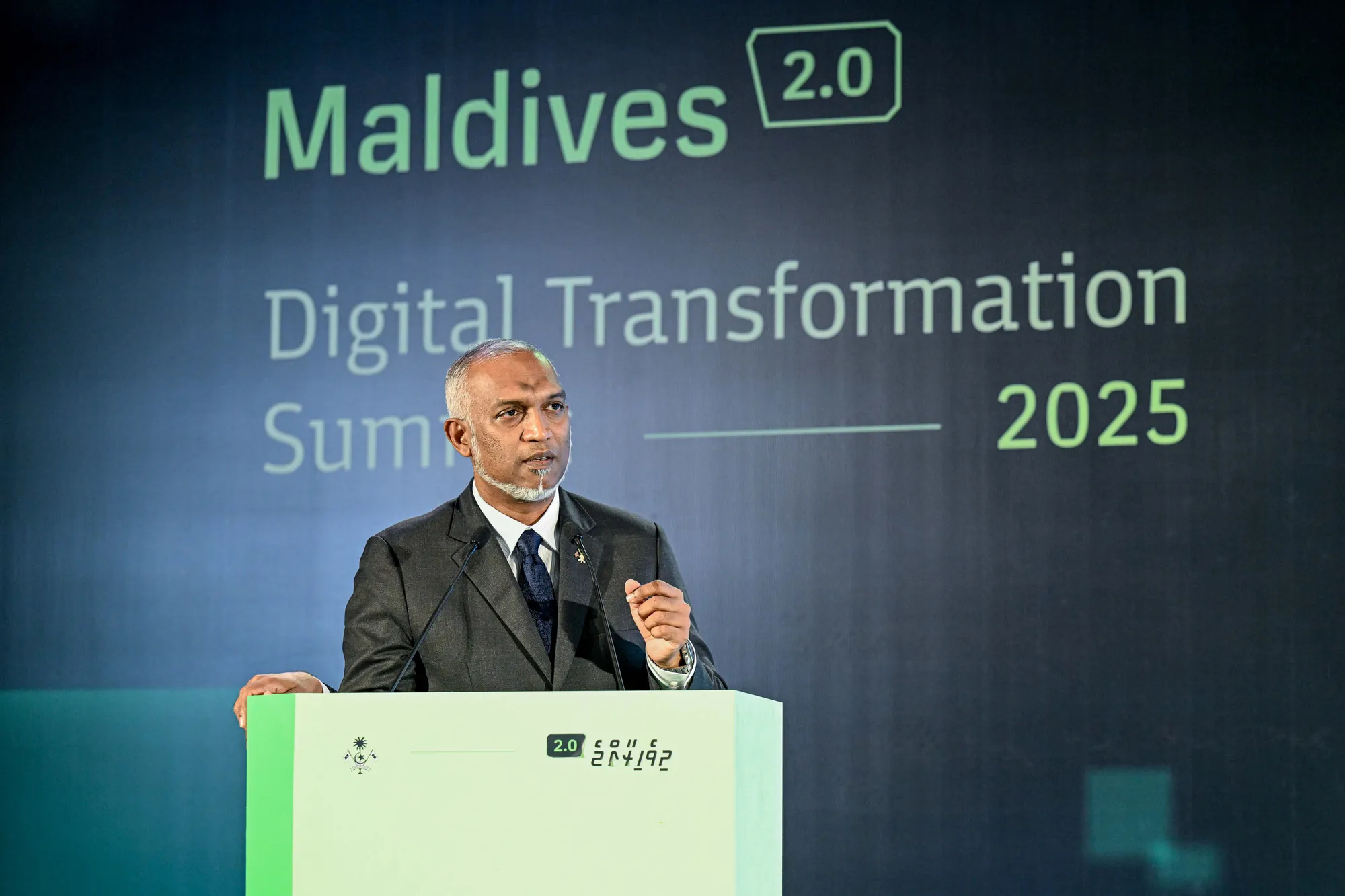
The People’s Majlis has begun debating the government-sponsored “Maldives 2.0 Digital Transformation Bill”, a landmark bill that seeks to establish a digital state and create a comprehensive framework for delivering public services. It is one of the most ambitious initiatives launched in recent history to modernise the system of government.
The proposed bill is a key component of President Dr Mohamed Muizzu’s “Maldives 2.0” vision. It is a national project intended to transform the delivery of government services throughout the Maldives. Its primary objective is to build a digital-first government system through which the country’s population—dispersed across numerous islands—can access services quickly and conveniently.
Every Service in Your Pocket
For many years, Maldivians seeking government services have had to travel from one island to another, complete numerous forms and make repeated visits to government offices.
The Digital Transformation Bill seeks to address these difficulties by establishing a digital system through which services can be delivered using secure online platforms. Under this system, citizens will be able to access government services from anywhere using digital portals and a digital identity.
The bill will also facilitate the establishment of the “Maldives Digital Service,” an institution responsible for overseeing the country’s digital infrastructure, the government’s information and communications technology services, and its digitalisation efforts. The institution will also be responsible for developing the “National Citizen Portal” and strengthening systems for exchanging information between government agencies.
One of the Maldives’ greatest challenges in connecting every island is its archipelagic geography. Providing services to a population dispersed across approximately 200 inhabited islands is both expensive and time-consuming. Digital governance will enable citizens to access government services conveniently, regardless of the island on which they live.
Those in favor of the bill note that establishing digital services can reduce administrative delays, make information more accessible, and help establish a public-service system that prioritises citizens’ needs. Under the government’s Maldives 2.0 framework, digital identity, secure data sharing, cybersecurity, and modern legal frameworks have been identified as the principal foundations of the Maldives’ digital future.
Establishing Trust Through Digital Identity
Alongside the Digital Transformation Bill, the People’s Majlis is also reviewing a “Digital Identity Bill,” which seeks to establish a secure and trusted system for identifying individuals online. This system will allow citizens to verify their identity digitally when accessing government and private-sector services.
According to experts, the project will not only make services more convenient, but will also strengthen security and reduce opportunities for fraud and deception. In previous consultations, the government has emphasised that a trusted digital identity system is the foundation of modern digital services.
Progressing into the Future
The Digital Transformation Bill is being introduced in the Maldives at a time when governments around the world are increasingly using digital tools to improve the quality of public services and strengthen governance.
Once the bill is passed by the People’s Majlis and begins to be implemented, it is expected to revolutionise how Maldivians interact with government institutions in the years ahead.
For citizens, the greatest benefit will be the ability to access services quickly and without unnecessary obstacles, regardless of the island on which they live. At the national level, this represents a crucial step towards building a modern digital economy capable of meeting the needs of future generations.
Leave a comment
Comments
No comments yet. Be the first to comment!