Maldives Govt Reverses Subsidising MIFCO Fish Purchases
Fisheries Minister Ahmed Shiyam told Parliament on Tuesday that the administration of President Dr Mohamed Muizzu has taken a decisive step away from the subsidy‑driven policies of previous government...
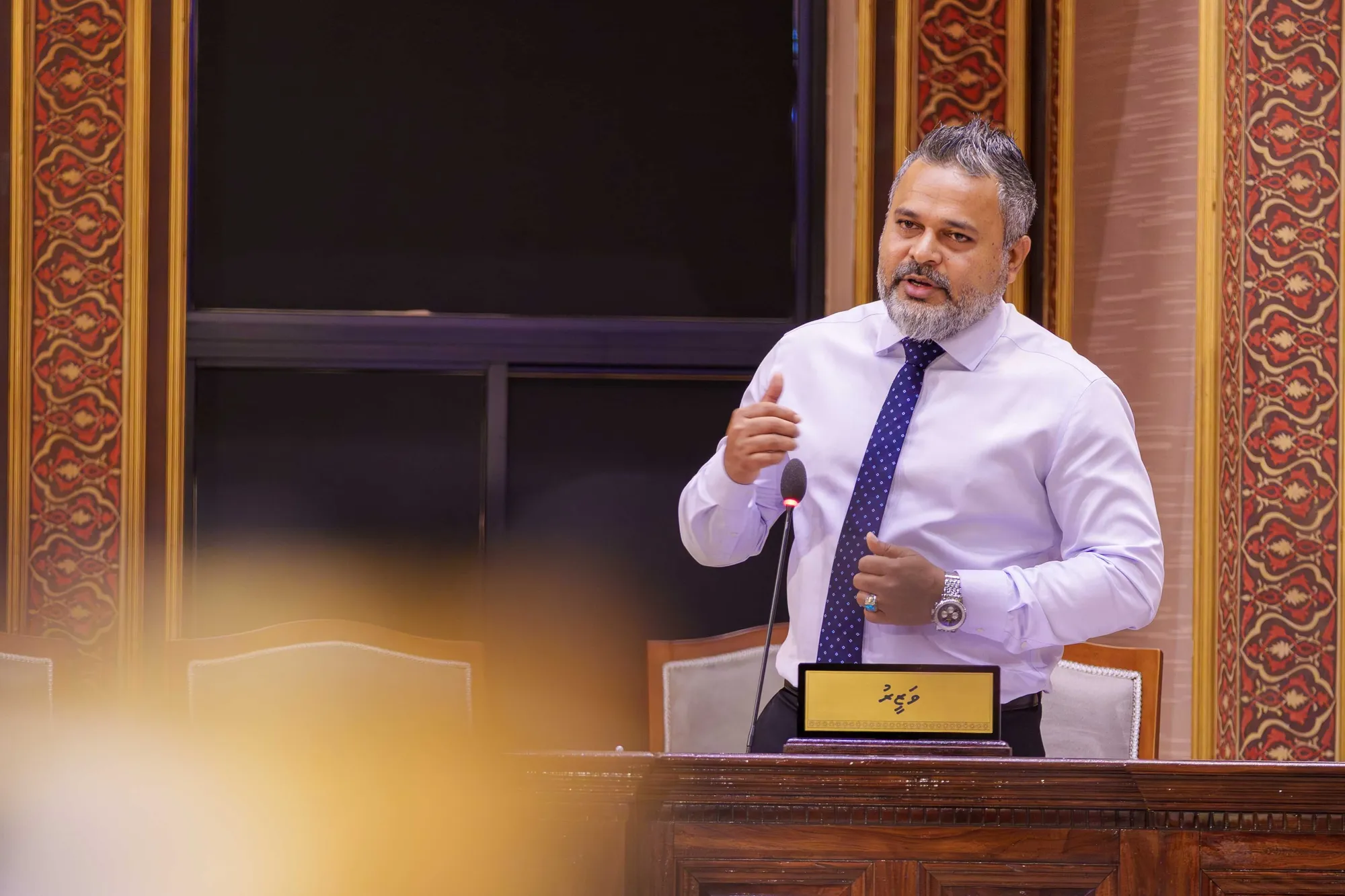
Fisheries Minister Ahmed Shiyam told Parliament on Tuesday that the administration of President Dr Mohamed Muizzu has taken a decisive step away from the subsidy‑driven policies of previous governments, announcing that not a single Maldivian rufiyaa (MVR) is now allocated to the Maldives Industrial Fisheries Company (MIFCO) for the purchase of fish.
“The policy we promised during the campaign is now being put into practice,” Minister Shiyam said in reply to questions from lawmakers.
“We are not giving a single MVR to MIFCO to buy fish. We want MIFCO to become a stand‑alone, commercially viable company, not a vehicle for political vote‑buying.”
The Minister highlighted a long‑standing neglect of the fishing industry, noting that only one fish‑processing plant at Felivaru has operated continuously for the past four decades.
“Successive administrations talked about promoting the fisheries sector, but there was little action,” he said.
“While they promised development, the only factory in Felivaru remained the sole processing hub for the entire country.”
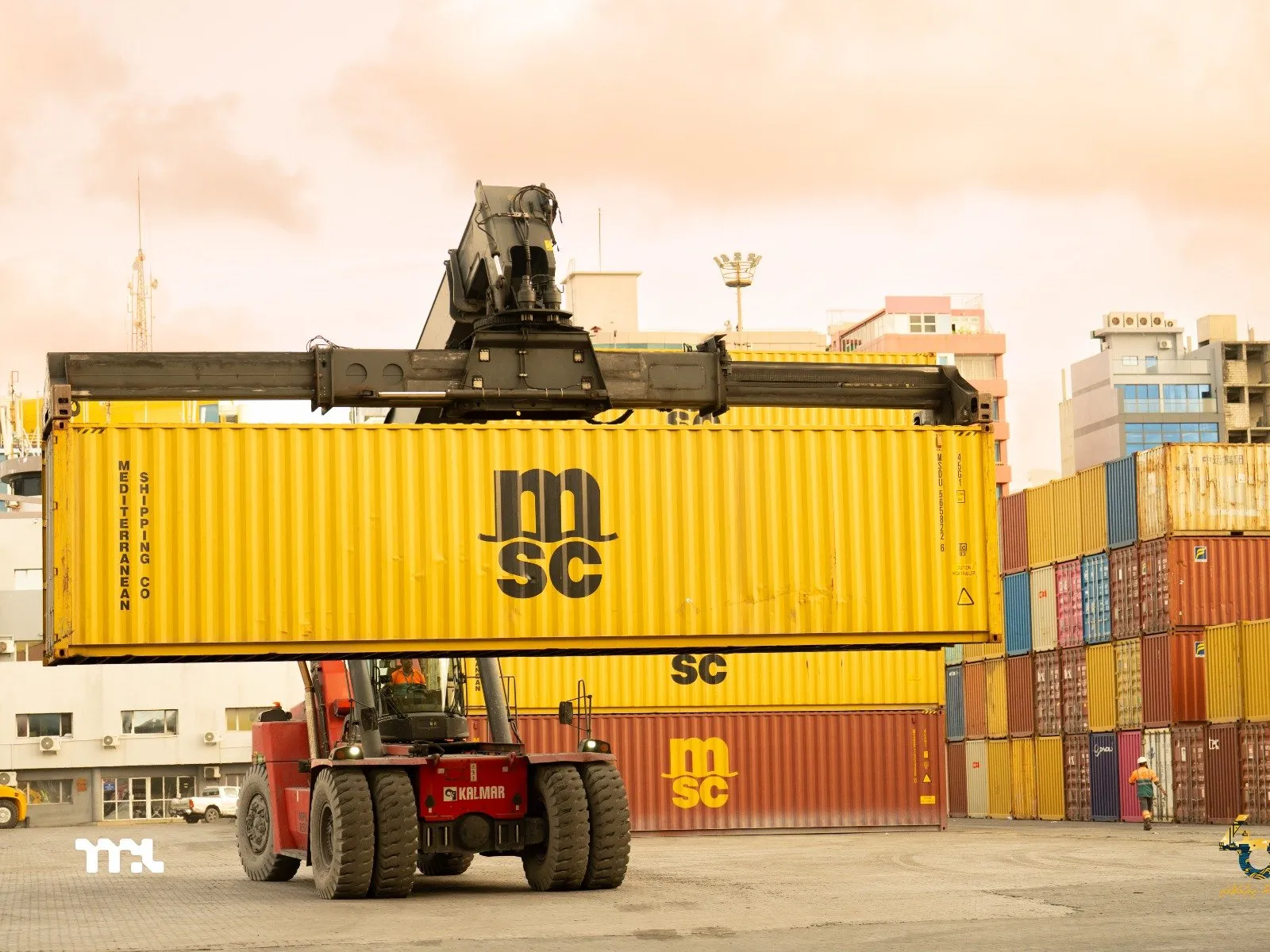
Minister Shiyam pointed to the financial burden created by the previous price‑support regime. Near the end of the last government, the price of fish was around MVR 25 per kilogramme while the actual price was MVR 13 per kilogramme, requiring the state to subsidise the difference. With annual skipjack tuna production estimated at 123,000 tonnes, he warned that the government would have to fork out billions of rufiyaa in subsidies – money he argued could have been invested in infrastructure and new processing facilities.
“I wonder why billions were not spent on building factories and improving infrastructure,” the Minister said.
“Instead, the subsidies were used to purchase fish at inflated prices, which only served short‑term political objectives.”
In a bid to reverse the trend, the current administration has launched an expansion programme aimed at more than doubling the country’s fish‑processing capacity. At present, the Maldives can process only about 105 tonnes of fish per day. Work is already underway at Nilandhoo and Fiyoaree to increase the capacity of the Felivaru plant, with the goal of reaching over 200 tonnes per day.
“Hopefully these projects will be completed within the next two years, and we will see a significant rise in exports,” Minister Shiyam said.
“Increasing processing capacity is essential for adding value to our catch and for meeting the growing demand in international markets.”
The Minister also noted that when the incumbent administration took office, several private companies were on the brink of exiting the fishing industry due to an unfavourable business environment. The new policy framework, which removes direct state funding for fish purchases, has created a more attractive climate for private investment.
“Today, the entire industry is moving forward with private companies. We are already seeing increased interest and investment, which will ultimately benefit the fishermen themselves,” he said.
The government expects fish exports to rise sharply, bringing in higher revenues and improving the livelihoods of the fishing community.
“We anticipate that fish exports will increase, the income from exported fish will grow, and these policies will enrich the pockets of the fishermen,” Minister Shiyam said.
Leave a comment
Comments
No comments yet. Be the first to comment!