Global Oil Shock Forces Maldivian Airline to Hike Tourist Fares on Key Domestic Routes
The escalating military conflict between the US-Israel alliance and Iran is sending economic shockwaves across the globe, with the idyllic tourism-dependent Maldives becoming the latest nation to feel the impact.
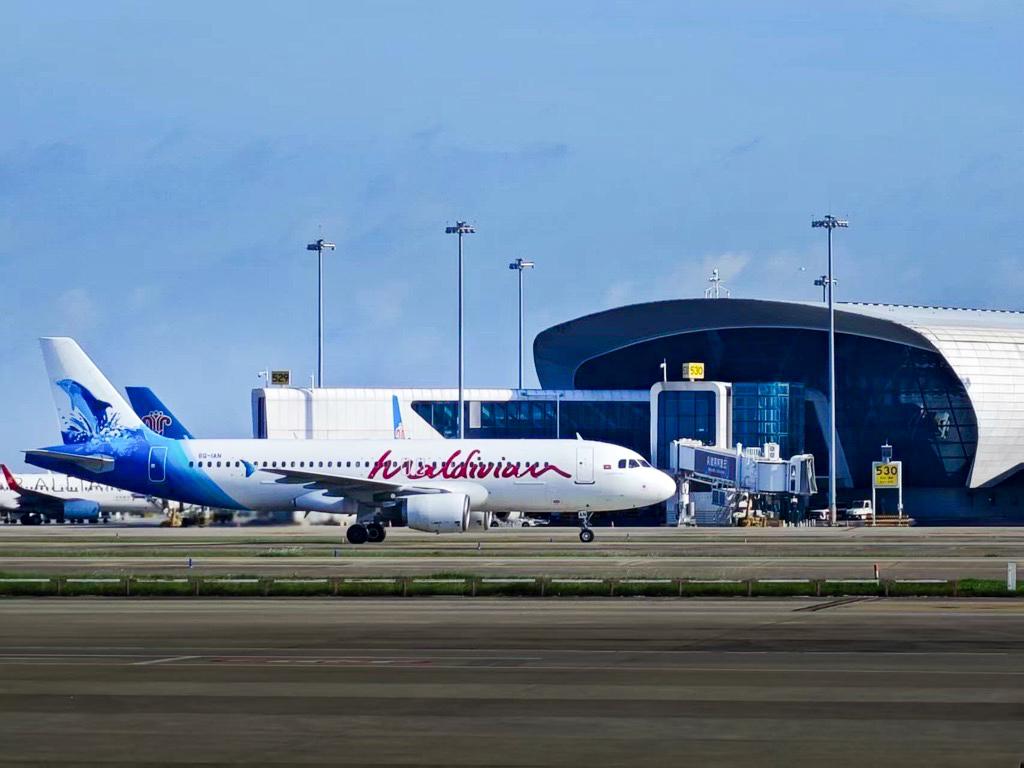
Maldivian, the national carrier, has announced an immediate increase in ticket prices for tourists on key domestic routes, a direct response to a dramatic surge in jet fuel costs precipitated by the war.
The airline has raised fares for flights from the capital, Male’, to Addu City and Fuvahmulah City by USD 33. The adjustment, according to a senior official from Island Aviation Services Limited (IASL), which operates Maldivian, is a necessary measure to offset a series of rapid fuel price hikes at Velana International Airport.
The state-owned Maldives Airports Company Ltd. (MACL) has increased the price of jet fuel from USD 1.19 to USD 1.99 per unit—a staggering 67 percent rise in a very short period.
"This is a 67 per cent price increase in a short period of time," the official said, highlighting the severe financial pressure on the airline.
The root cause of the spike lies thousands of miles away in the Middle East. In retaliation for the joint US-Israeli offensive that began on 28 February, Iran has enacted a critical strategic move—the complete closure of the Strait of Hormuz. This vital maritime chokepoint is a conduit for around five percent of the world's daily oil supply. Its shutdown has choked global shipments, sending oil prices to unprecedented record levels and destabilizing economies worldwide.
The aviation industry has been among the hardest hit. Beyond the soaring cost of crude oil, the closure of airspace across multiple Middle Eastern countries has caused severe operational disruptions, rerouting flights and increasing travel times and costs simultaneously.
The data is stark—since the conflict began, the price of jet fuel in the United States has skyrocketed by 95 percent, from USD 2.50 per gallon to USD 4.88. Globally, the price per barrel has more than doubled, surpassing USD 200 from a pre-war price of around USD 96 in February.
For airlines, fuel constitutes the single largest operational expense after employee salaries, typically accounting for 20 to 30 percent of total operating costs.
This makes carriers, especially those in remote island nations like the Maldives that are heavily reliant on air connectivity, intensely vulnerable to such geopolitical-driven price shocks. The fare increase on Maldivian, while modest, signals the direct trickle-down effect of international conflict on everyday travel and the global tourism industry.
 Advertisement
Related Articles
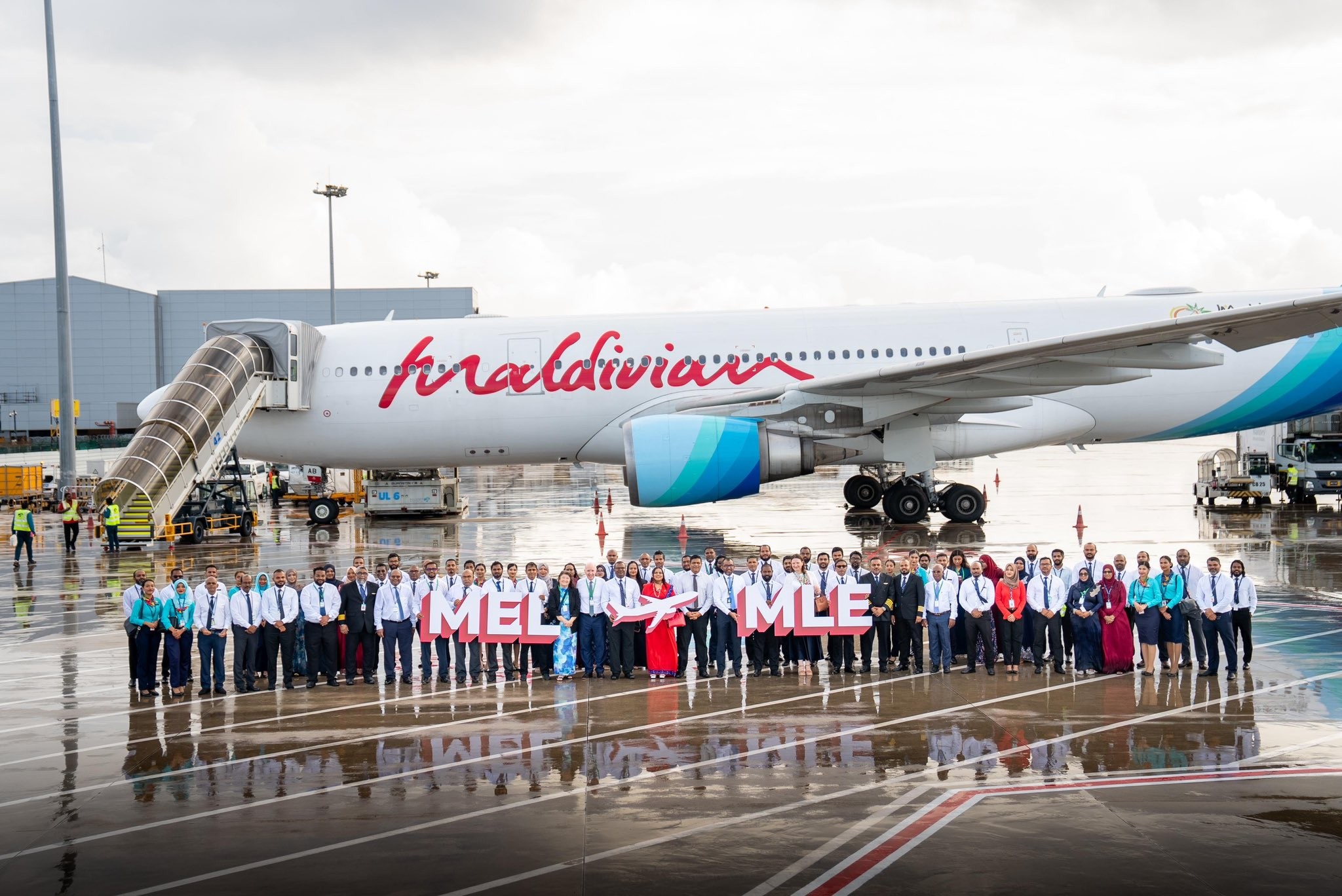
Maldivian Launches Direct Flights Between Maldives and Australia, Marking New Era in Travel Connectivity
May 21, 2026
Maldives Cuts Jet Fuel Price to Boost Tourism
April 30, 2026
Maldivian and SriLankan Airlines Forge Landmark Pact to Enhance Regional Travel
April 24, 2026
Maldivian to Launch Historic Direct Flights to Australia, Connecting Paradise to the Outback
April 19, 2026Latest News

Maldives Govt to Ban Social Media Access for Children Under 16
10 min read
UK Suspends Import Tariff on Maldives Fish Products
10 min read
Bodies of Four Missing Italian Divers Found After Extensive Search Operation
10 min read
STO Sets Sights on MVR 1 Billion Net Profit Target with Ambitious Five-Year Growth Strategy
10 min read