
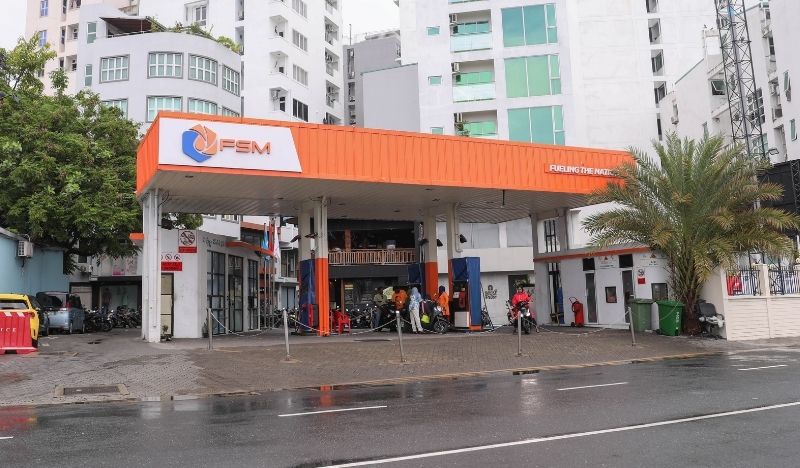
In a move that will significantly impact the cost of living and transportation nationwide, the State Trading Organization (STO) has announced a substantial increase in the retail prices of petrol and diesel, effective immediately.
This marks the most significant single fuel price adjustment by the state-owned supplier in recent years, directly attributed to record-breaking global oil prices triggered by the ongoing conflict in the Middle-East.
The company released a detailed breakdown of the new pricing structure, underscoring the severity of the global market shock. The price of petrol has been increased by MVR 2.51 per litre, rising from MVR 13.50 to MVR 16.01. This represents a sharp increase of 18.6 percent. Diesel, the lifeblood of the nation's transportation and marine industries, has seen an even steeper jump. The price has been raised by MVR 3.62 per litre, soaring from MVR 13.92 to MVR 17.54—a dramatic 26 percent surge.
This decisive action by STO comes as the average price of crude oil on the world market reached a staggering USD 82 per barrel. The company stated that the price hike was an unavoidable necessity, as the conflict in Iran has severely disrupted supply chains and created unprecedented volatility, forcing importers to pay far higher premiums for refined fuel products.
The ripple effect was immediate, with Hawks, the second-largest private fuel retailer in the Maldives, mirroring STO's increase. Hawks confirmed it has also raised its prices by MVR 3.62 per litre for diesel and MVR 2.51 per litre for petrol, ensuring a uniform market rate.
Govt Assures Uninterrupted Supplies Despite Global Cargo Disruptions
The fuel price hike came two days after Economic Minister Mohamed Saeed reassured the nation that the Maldives will maintain uninterrupted supplies of essential goods, including food, fuel, and gas, despite significant shocks to global cargo networks triggered by the Middle East conflict.
Speaking at a press conference held at the President’s Office on Tuesday, Minister Saeed acknowledged the external pressures but emphasised the government’s unwavering commitment to ensuring stable access to basic commodities for all citizens. He outlined that the conflict has disrupted oil and gas production and shipping routes, prompting the administration to actively seek alternative import markets and suppliers to bypass these challenges.
“In short, we won’t have a fuel and gas shortage,” Saeed stated unequivocally.
Beyond securing supply lines, the government is initiating a critical push to increase the nation’s storage capacity. This strategic move is designed to bolster basic food security, ensuring adequate reserves are available for the entire population, which includes the significant number of tourists and foreign workers residing in the country.
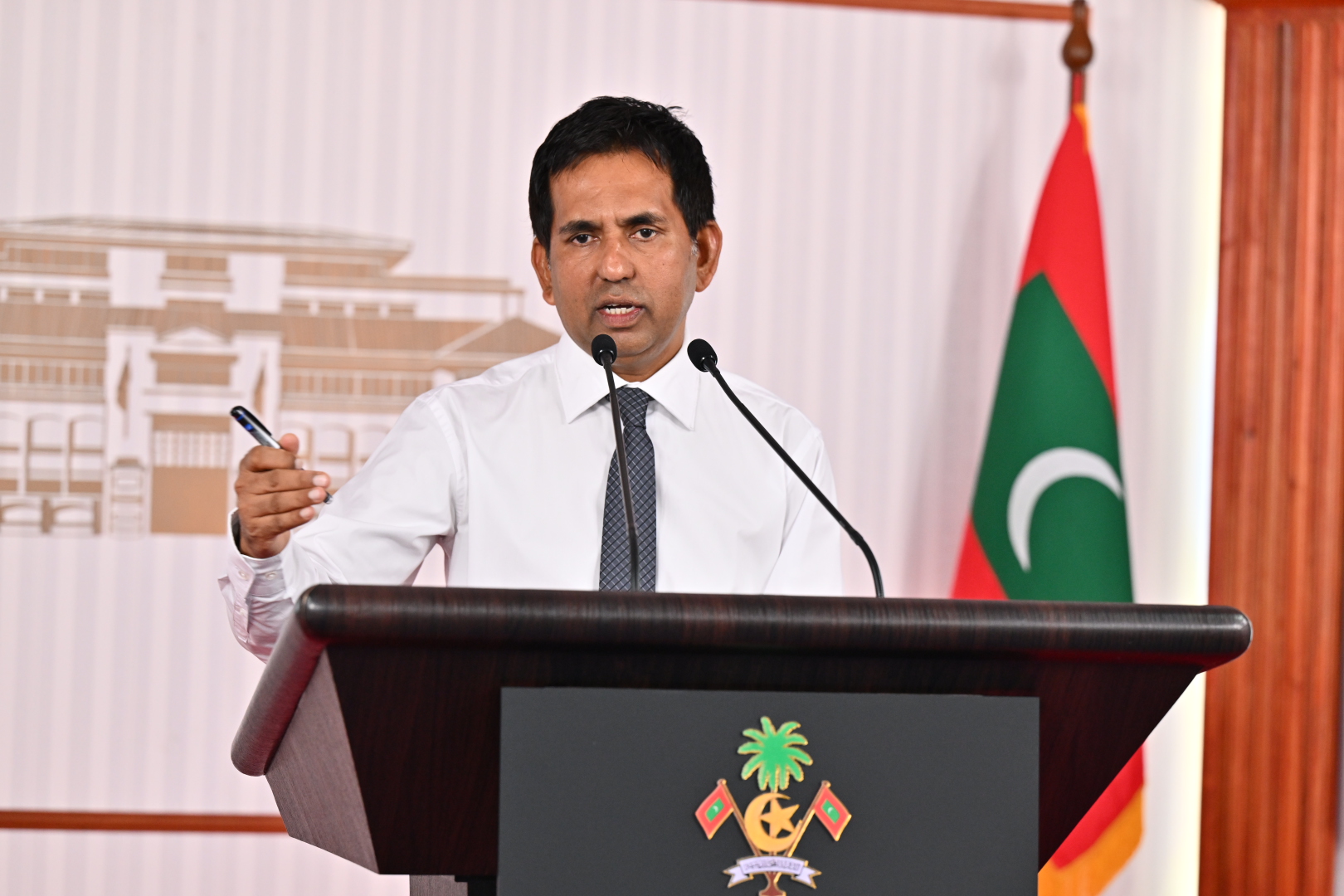
The Minister also turned his attention to the tourism sector, the lifeblood of the Maldivian economy, which is already experiencing adverse effects from canceled flights. He confirmed that the Ministry of Tourism is taking a lead role in mitigating these impacts, noting that all domestic industries are intrinsically linked to the health of the tourism industry.
Drawing on historical precedent, Saeed expressed confidence in the nation’s resilience. The Maldivian tourism industry has successfully rebounded from various past global conflicts and disasters, and he projected a swift recovery once again.
“In that sense, Maldives is a very resilient country,” he said.
“That's the silver lining.”
 Advertisement
Related Articles
Fitch Upgrades Maldives Sovereign Rating to ‘CCC‑’ as Default Risk Eases
June 3, 2026
Maldives Tourist Arrivals Rebound in May as Airlines Resume Routes
June 1, 2026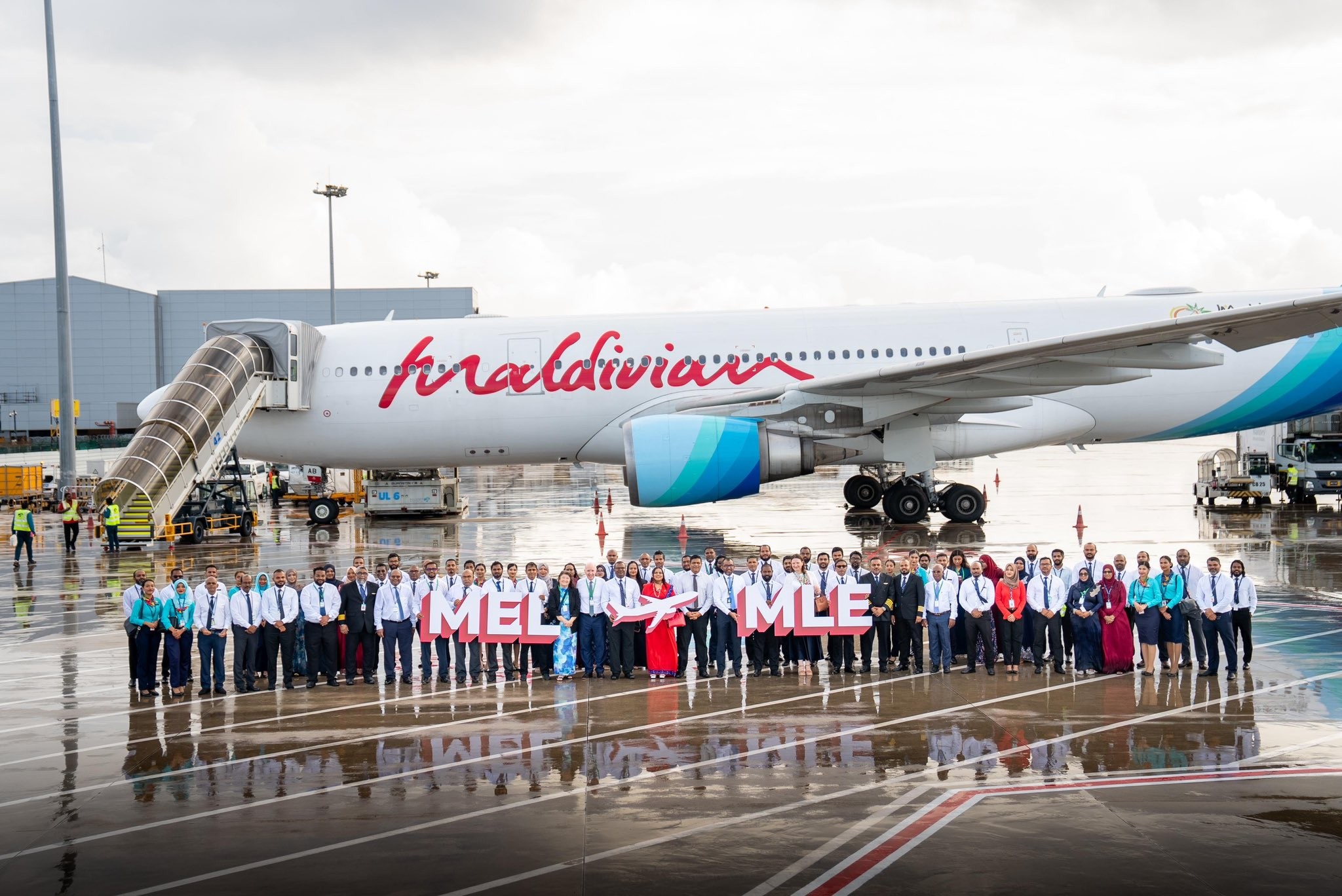
Maldivian Launches Direct Flights Between Maldives and Australia, Marking New Era in Travel Connectivity
May 21, 2026
Maldives Explores Tourism Relief Measures After Middle East Conflict Losses Exceed USD 500 Million
May 11, 2026Latest News
Maldives Govt to Ban Social Media Access for Children Under 16
10 min read
Bodies of Four Missing Italian Divers Found After Extensive Search Operation
10 min read
Search for Missing Italian Divers in Maldives Suspended After Coast Guard Fatality
10 min read
Maldives President Visits Tragic Diving Incident Site, Pledges Full Govt Support for Search Operations
10 min read