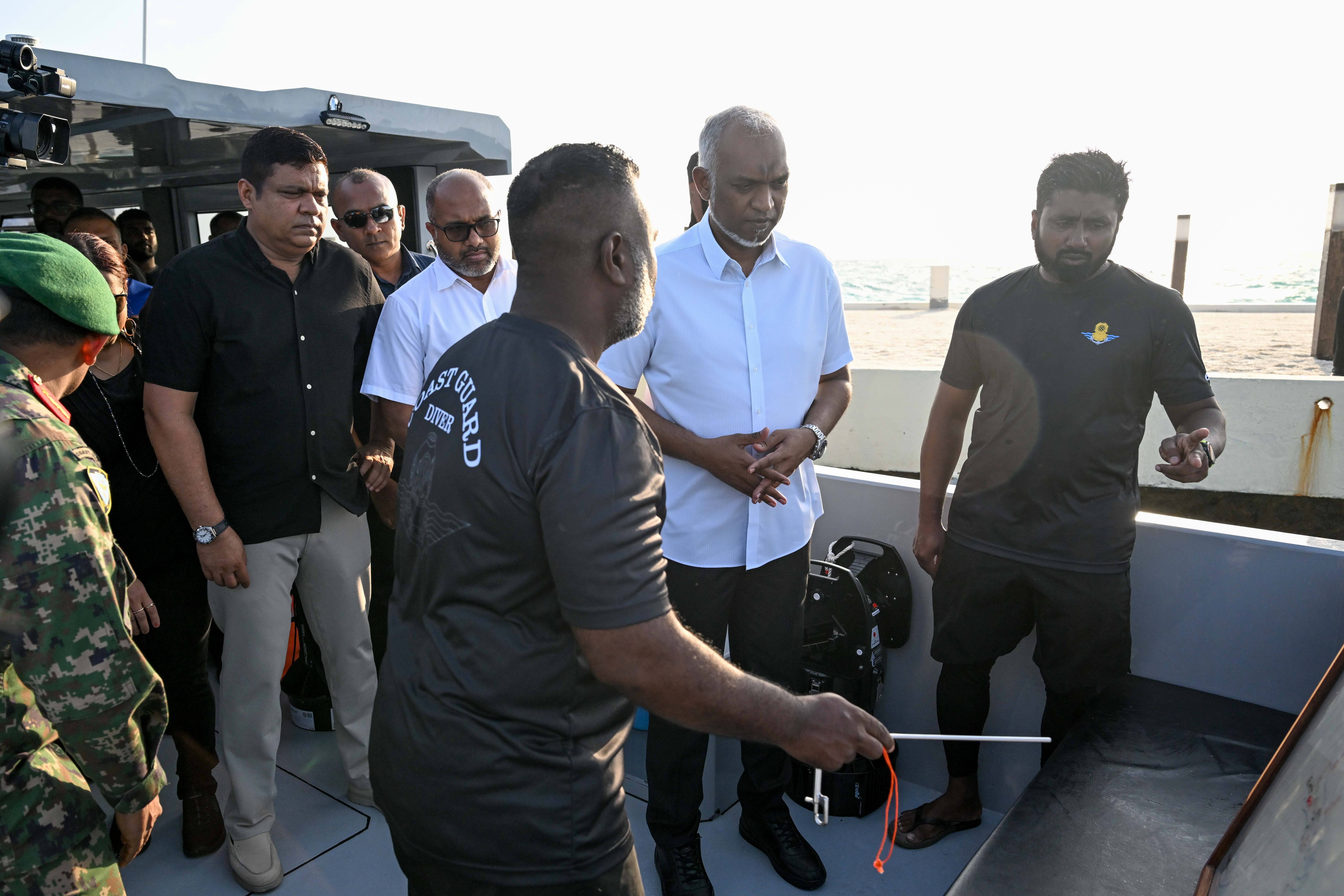
Maldives Braces for Economic Impact Amid Middle East Conflict, Activates Emergency Response Measures
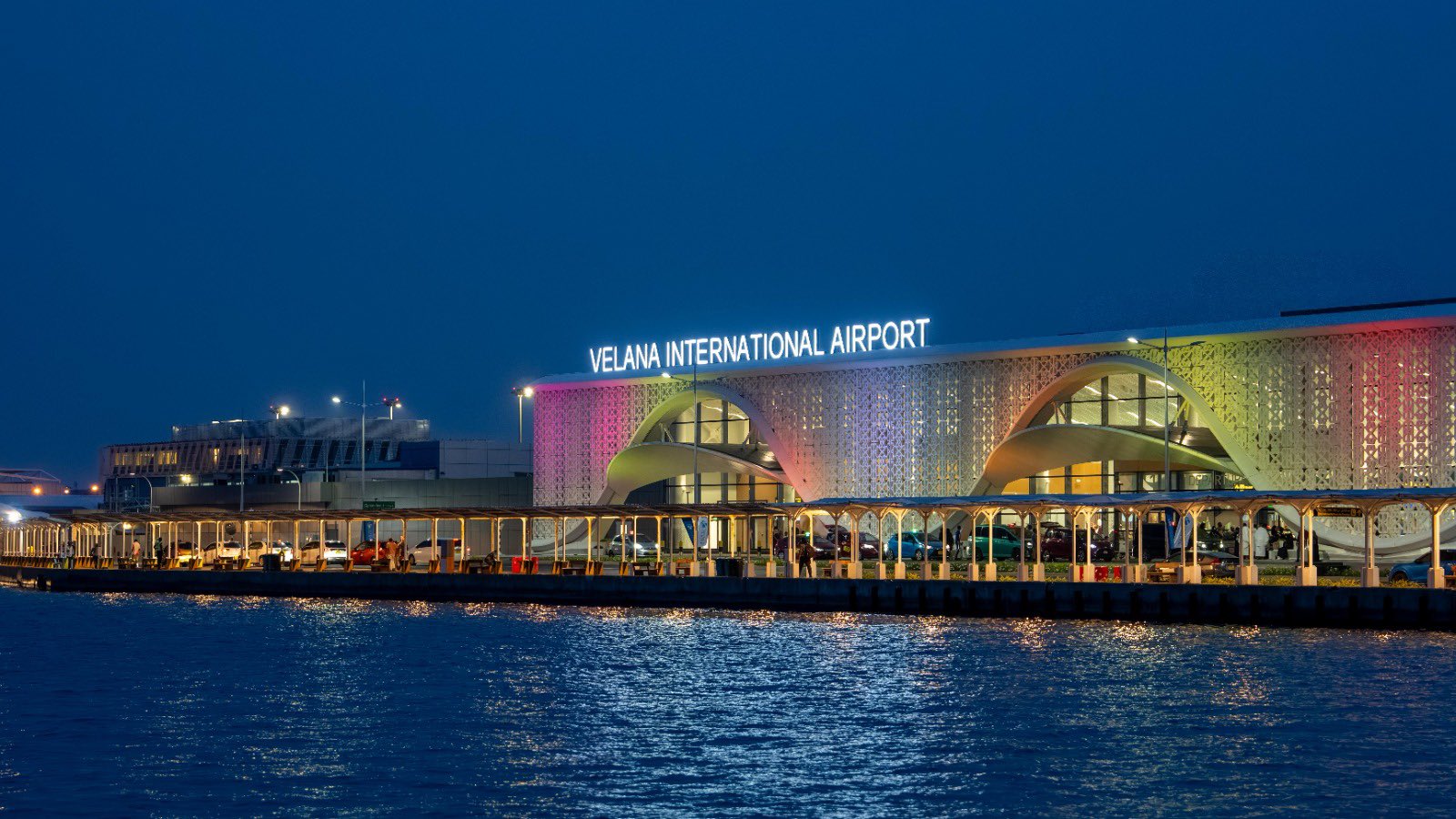
In response to escalating hostilities in the Middle East, the Ministry of Finance and Planning has announced a comprehensive emergency preparedness strategy to shield the Maldivian economy from impending shocks.
With tourism accounting for over 60 percent of the nation’s GDP and international air connectivity heavily dependent on Middle Eastern hubs, the government has sounded the alarm over the severe disruption caused by the suspension of all flights from Dubai, Sharjah, Bahrain, Abu Dhabi, Doha, and Saudi Arabia. The ongoing regional conflict—sparked by recent U.S. and Israeli military actions against Iran—has led to the grounding of flights and the stranding of around 1,400 tourists at Velana International Airport (VIA), prompting urgent action from Maldivian authorities.
In a detailed statement, the Ministry of Finance confirmed it is closely monitoring the country’s financial and economic stability, with a primary focus on emergency preparedness and rapid response mechanisms.
“Our top priority is ensuring national resilience during this volatile period,” Finance Minister Moosa Zameer assured.
“We are leveraging the country’s strong foreign exchange reserves to cushion the economy and maintain essential imports.”
The Ministry is working in close coordination with the State Trading Organization (STO) to secure uninterrupted fuel supplies—a critical lifeline for transportation, power generation, and tourism operations.
The Ministry of Economic Development and Trade echoed these concerns, revealing it is collaborating with multiple government agencies and the private sector to prevent shortages of essential commodities such as food, medicine, and fuel. Officials are actively assessing disruptions in global freight routes and exploring alternative import channels to mitigate supply chain breakdowns.
“We are identifying bottlenecks in traditional import corridors and rapidly pivoting to alternative markets to ensure continuity,” the Ministry said, emphasising efforts to stabilise domestic markets amid rising uncertainty.
President Dr Mohamed Muizzu has taken decisive steps by establishing a high-level Emergency Coordination Committee to oversee the crisis. The nine-member body includes key cabinet ministers such as Foreign Minister Dr Abdulla Khaleel, Economic Minister Mohamed Saeed, Defense Minister Mohamed Ghassan Maumoon, Tourism Minister Thoriq Ibrahim, and Transport Minister Mohamed Ameen.
The committee is tasked with real-time monitoring, policy implementation, and interagency coordination to manage both immediate challenges and long-term economic fallout. The President’s Office affirmed that transparent communication will be maintained, with regular updates disclosed to the public.
Tourism operators, already reeling from the sudden collapse of transit options through Dubai and Doha—two of the most popular connecting hubs for international travelers—are calling for emergency support. The sector, which employs nearly 70,000 people directly and indirectly, faces a significant downturn as bookings decline and stranded tourists await repatriation.
As regional tensions persist, the Maldivian government remains vigilant, underscoring that its strategic reserves and swift inter-ministerial coordination offer a critical buffer.
 Advertisement
Related Articles
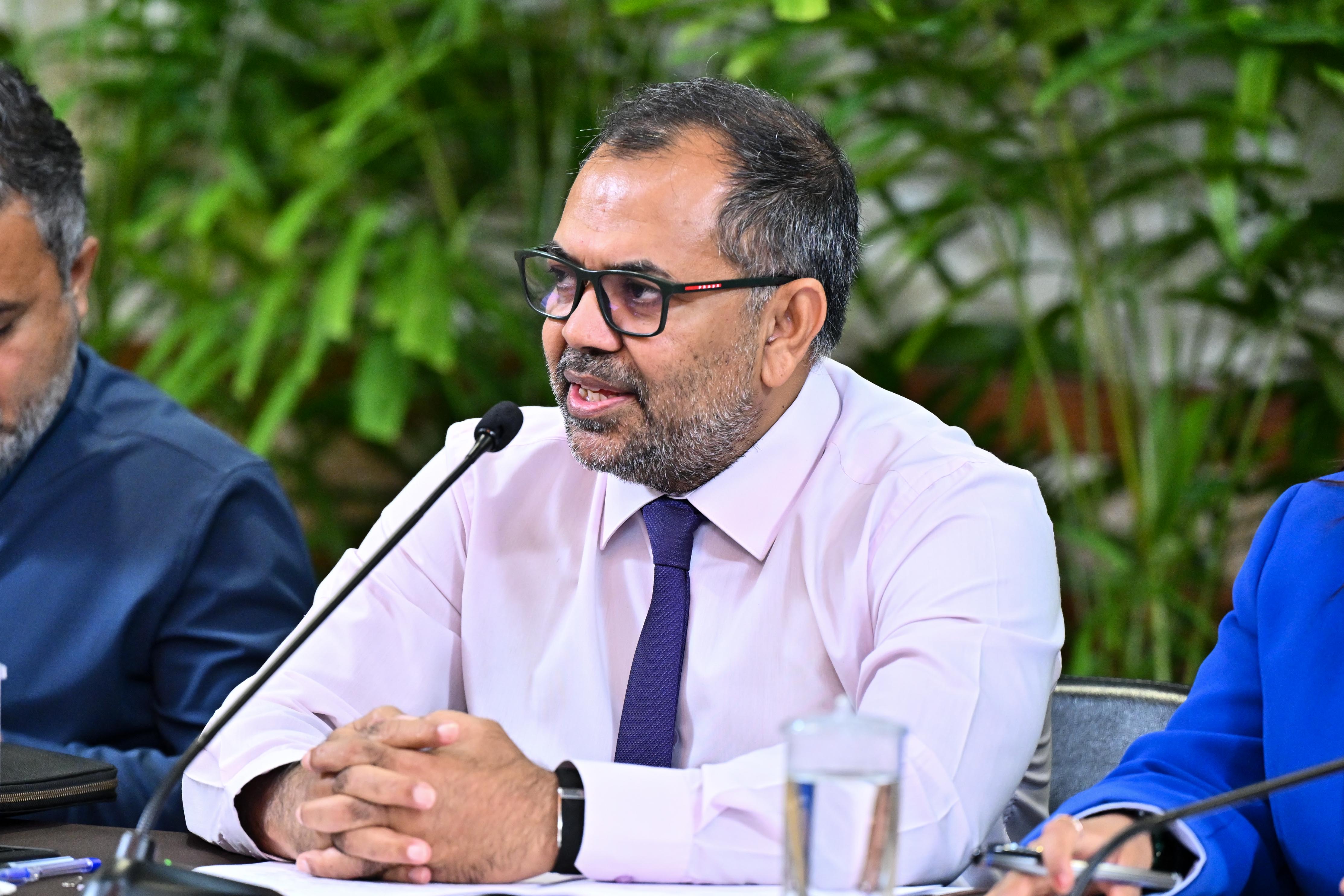
Fitch Upgrades Maldives Sovereign Rating to ‘CCC‑’ as Default Risk Eases
June 3, 2026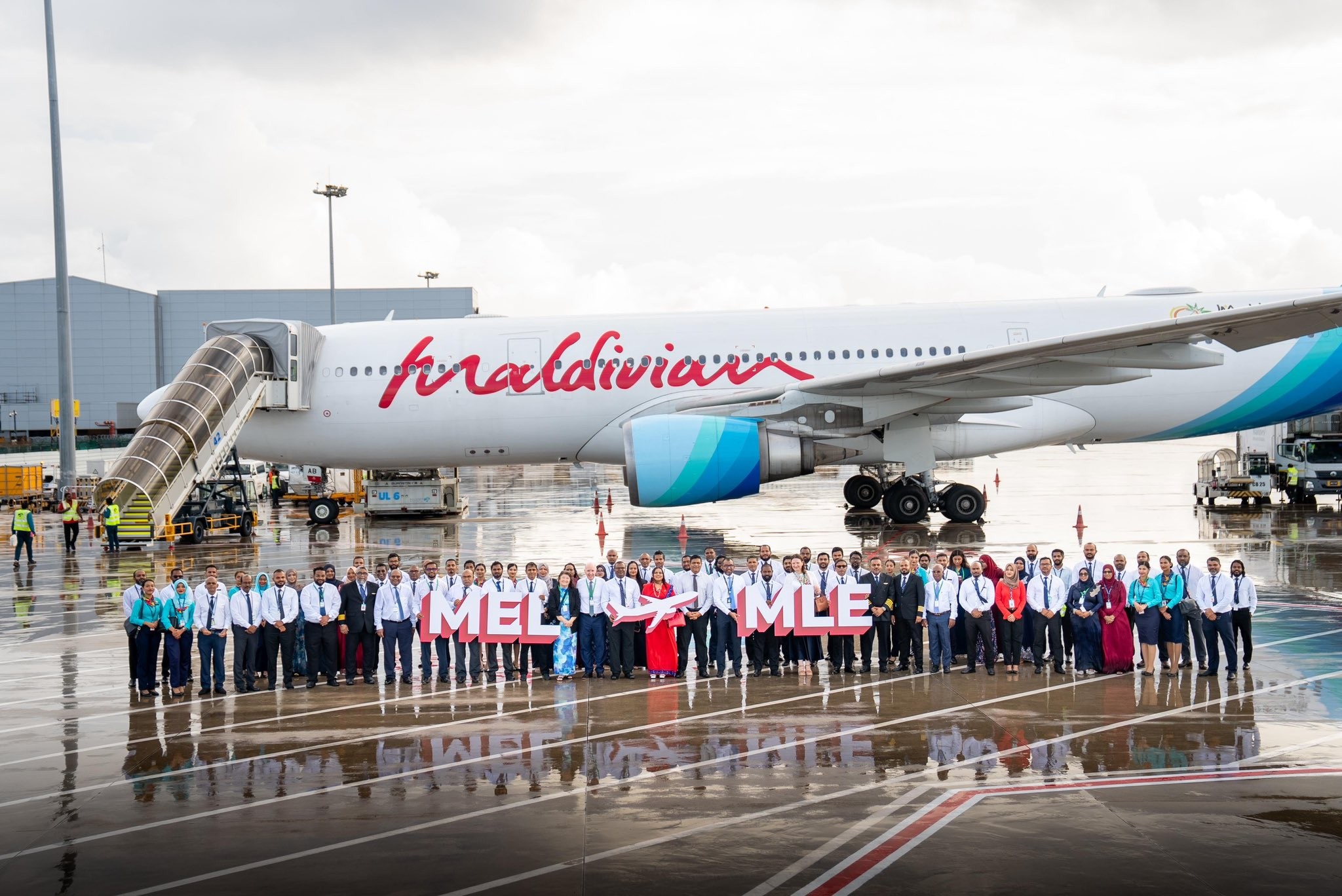
Maldivian Launches Direct Flights Between Maldives and Australia, Marking New Era in Travel Connectivity
May 21, 2026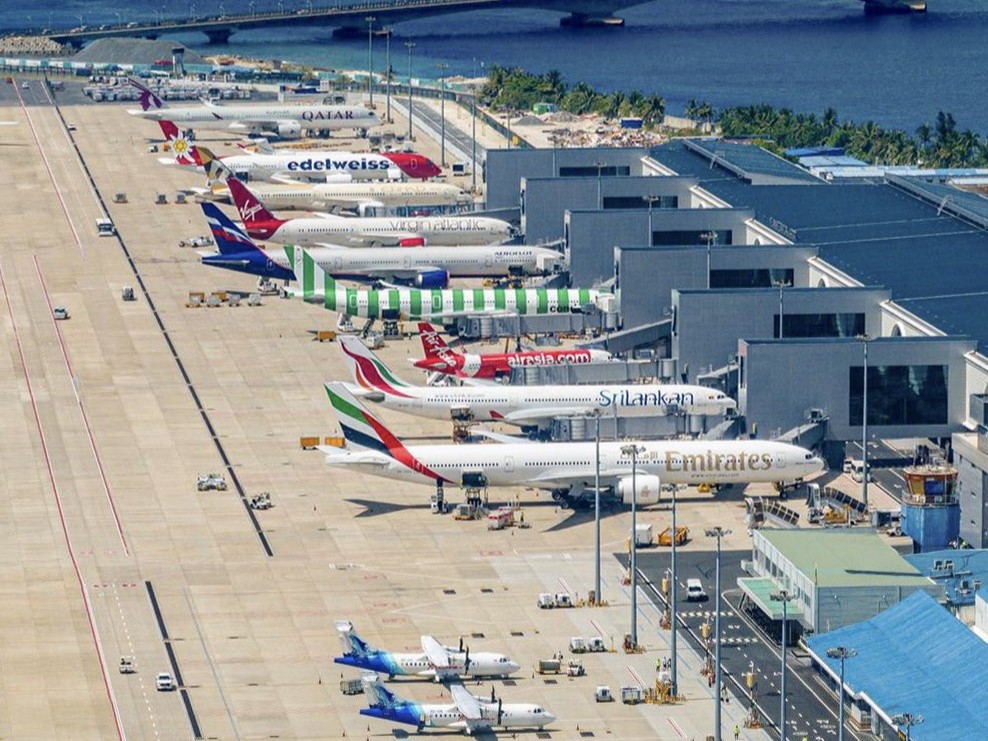
Maldives Cuts Jet Fuel Price to Boost Tourism
April 30, 2026
Maldivian and SriLankan Airlines Forge Landmark Pact to Enhance Regional Travel
April 24, 2026Latest News
Maldives Govt to Ban Social Media Access for Children Under 16
10 min read
Bodies of Four Missing Italian Divers Found After Extensive Search Operation
10 min read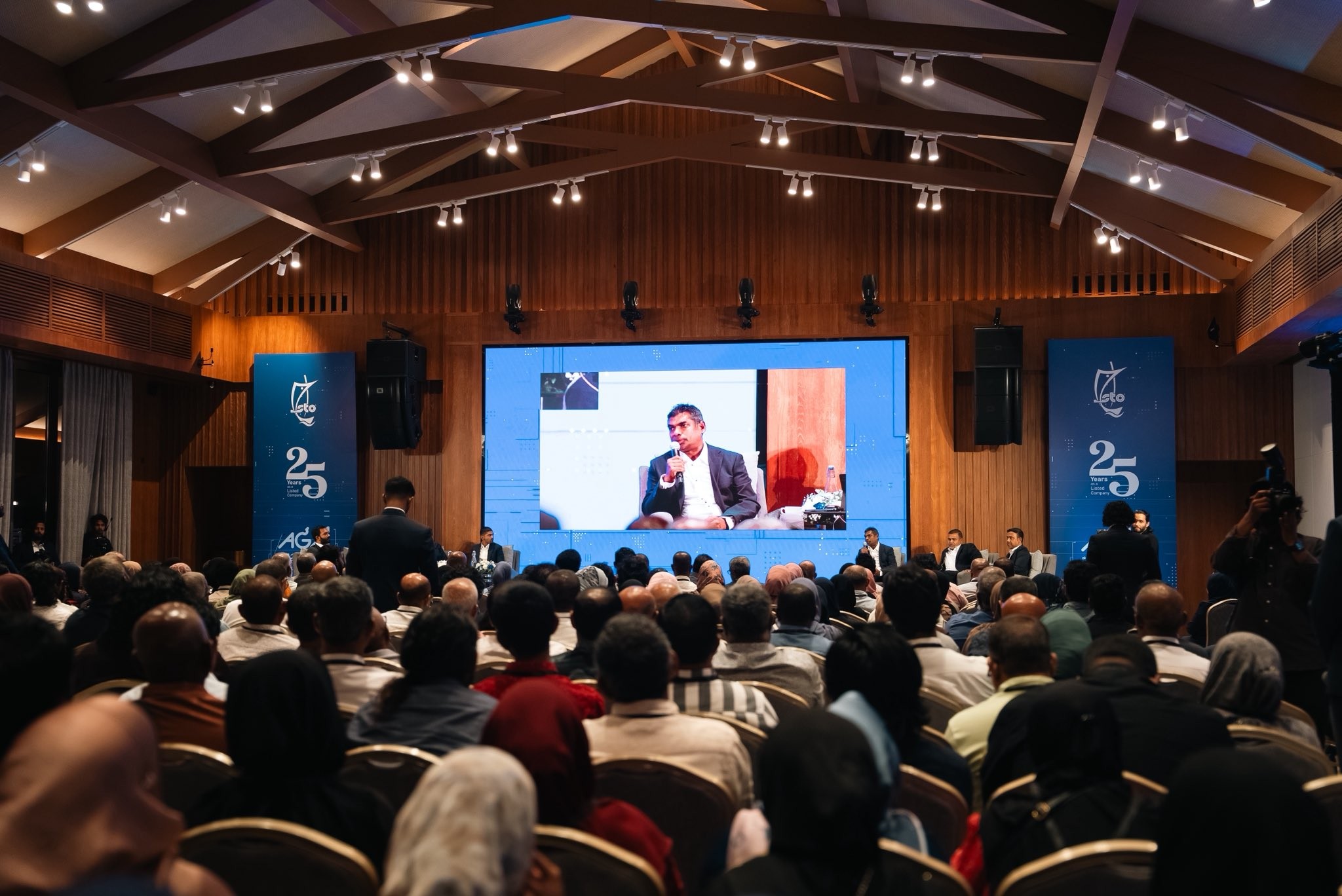
STO Sets Sights on MVR 1 Billion Net Profit Target with Ambitious Five-Year Growth Strategy
10 min read
Search for Missing Italian Divers in Maldives Suspended After Coast Guard Fatality
10 min read