
Maldives' Economic Growth Set for Sharp Decline in 2026 Amid Global Uncertainties, ADB Warns
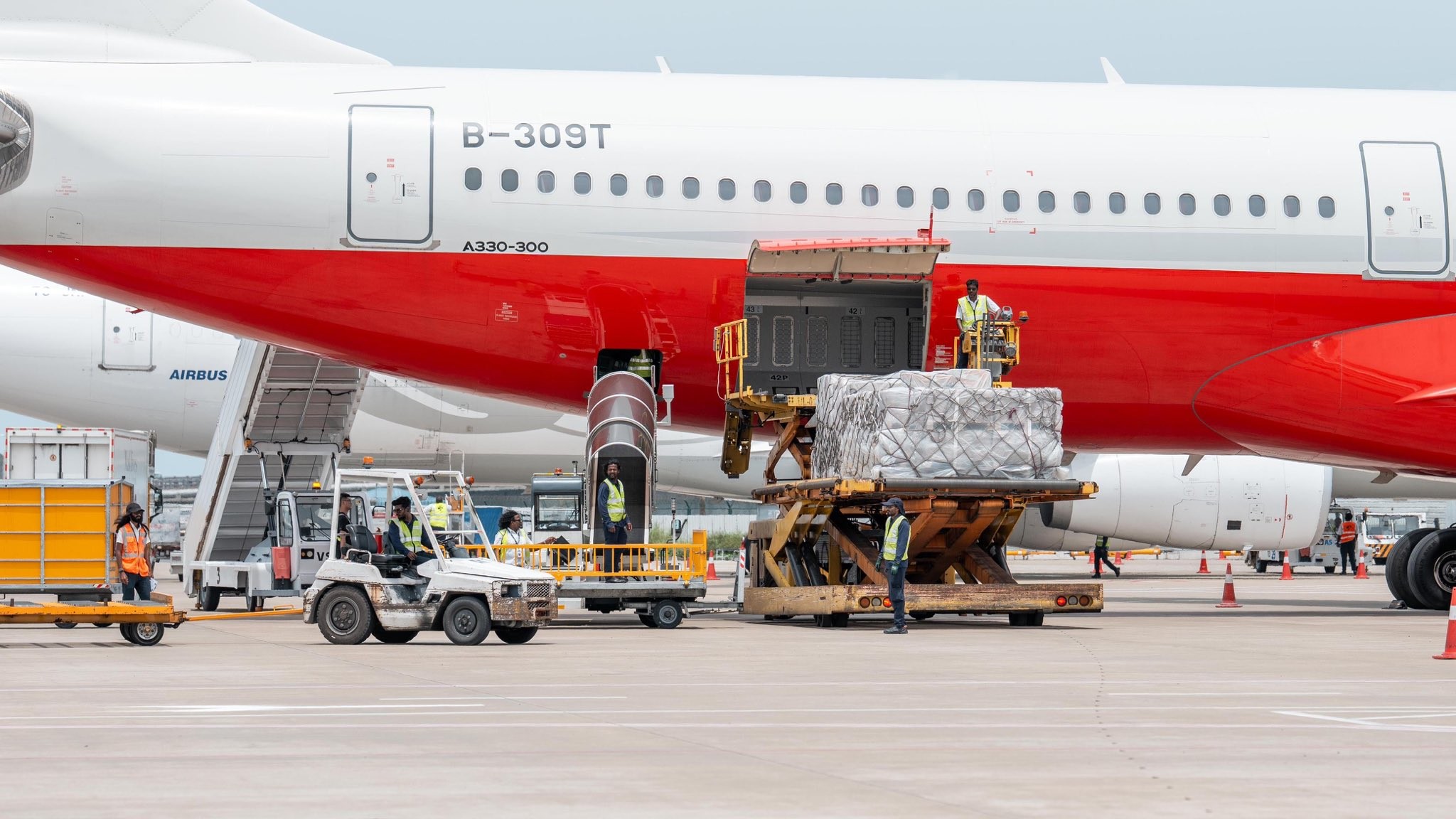
The Asian Development Bank (ADB) has issued a sobering forecast for the Maldivian economy, projecting growth will slow to a near standstill in 2026 as the ongoing conflict in the Middle East disrupts the vital tourism sector, drives up energy costs, and strains the nation's already thin financial buffers.
According to the Asian Development Outlook (ADO) April 2026, economic expansion is expected to plummet to just 1.0 percent, a sharp deceleration from the 5.4 percent growth projected for 2025.
The report attributes the expected downturn primarily to external shocks emanating from the Middle East, which are projected to dampen tourist arrivals—the lifeblood of the Maldivian economy—while simultaneously increasing the import bill for fuel. A tentative recovery to 3.0 percent growth is forecast for 2027, contingent on a rebound in tourism and a normalisation of global oil prices, alongside continued fiscal consolidation efforts.
Inflation is also expected to rise, with the ADB forecasting an increase to 5.0 percent in 2026, driven by higher costs for imported goods. The economic challenges come despite a significant near-term milestone—the country’s successful repayment of its USD 500 million sovereign sukuk on 2 April.
“Maldives successfully repaid its sukuk on 2 April, but challenges remain,” ADB Senior Economist Jules Hugot said.
“Lower tourism revenue and higher fuel prices raise pressures on the government budget, making fiscal reforms all the more urgent.”
While tourist arrivals surged by 10 percent in 2025, bolstered by the opening of a new terminal at Velana International Airport (VIA), the report notes that visitors stayed for fewer nights on average. The conflict is now expected to temper the pace of growth in arrivals for 2026, though numbers are still predicted to increase, albeit amid "high uncertainty."
The nation’s fiscal and external positions remain precarious. Although the current account deficit narrowed and foreign reserves saw an improvement in 2025 due to stronger tourism receipts and tighter regulations, the massive sukuk repayment has significantly depleted these buffers. This leaves the country with limited capacity to cushion the impact of external shocks.
Public debt remains perilously high at nearly 130 percent of GDP, and higher oil prices will increase the cost of energy subsidies at a time when weaker tourism revenues are simultaneously lowering tax income.
The ADB, a leading multilateral development bank dedicated to fostering sustainable growth in Asia and the Pacific, emphasises that navigating these parallel pressures will require urgent and disciplined fiscal reforms to ensure long-term economic stability for the island nation.
 Advertisement
Related Articles

Fitch Upgrades Maldives Sovereign Rating to ‘CCC‑’ as Default Risk Eases
June 3, 2026
Maldives Tourist Arrivals Rebound in May as Airlines Resume Routes
June 1, 2026
Maldivian Launches Direct Flights Between Maldives and Australia, Marking New Era in Travel Connectivity
May 21, 2026
Maldives Explores Tourism Relief Measures After Middle East Conflict Losses Exceed USD 500 Million
May 11, 2026Latest News
Maldives Govt to Ban Social Media Access for Children Under 16
10 min read
Bodies of Four Missing Italian Divers Found After Extensive Search Operation
10 min read
Search for Missing Italian Divers in Maldives Suspended After Coast Guard Fatality
10 min read
Maldives President Visits Tragic Diving Incident Site, Pledges Full Govt Support for Search Operations
10 min read