
Maldives Implements Steepest Jet Fuel Hike in Years Amid Soaring Global Oil Prices
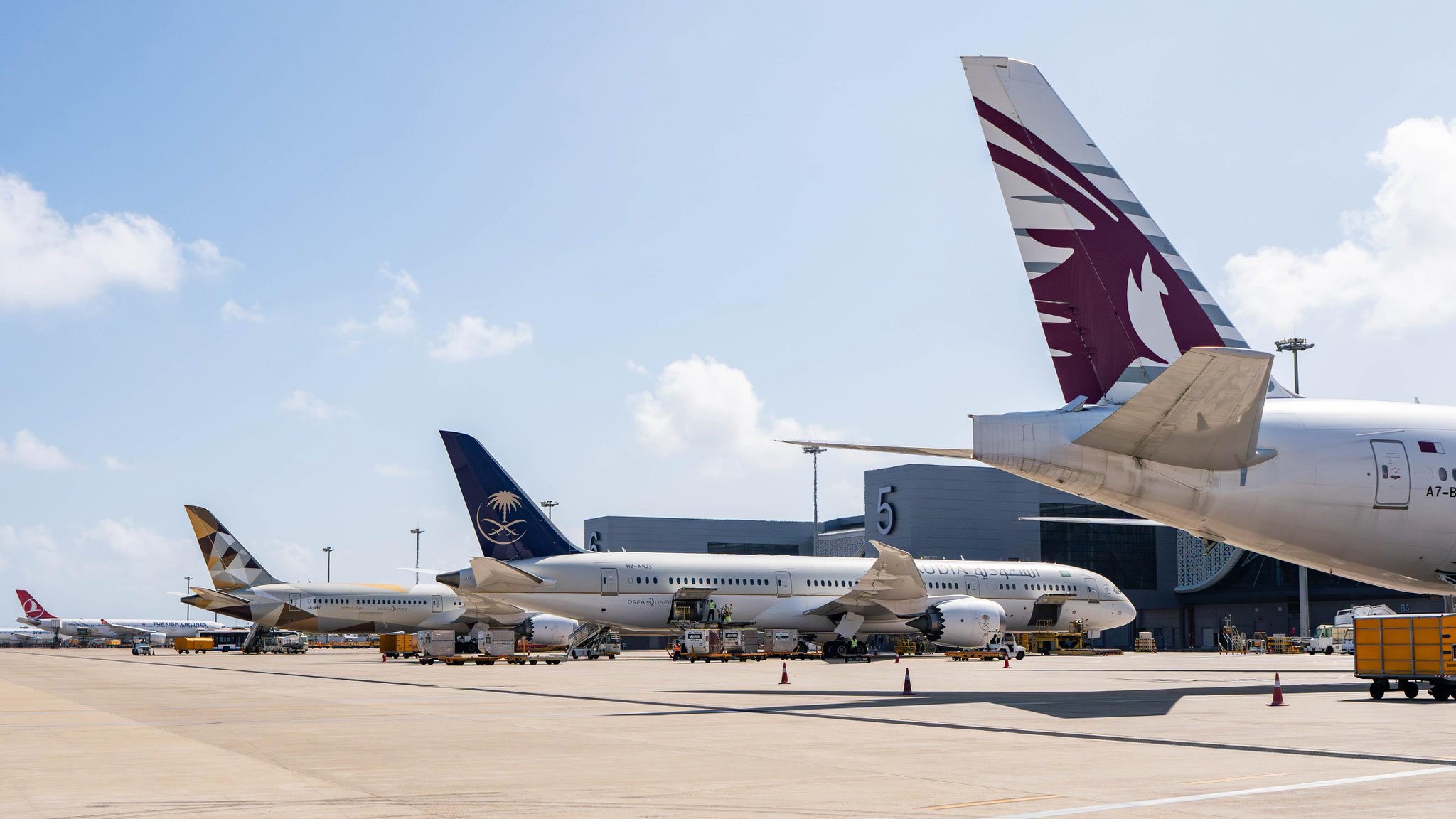
The Maldives Airports Company Limited (MACL) has sharply increased the price of jet fuel sold to airlines operating in the country, citing sustained surges in international oil markets and rising import costs.
Effective immediately, the price of jet fuel at Velana International Airport (VIA) and other MACL-managed airports has been raised to USD 1.69 per litre—up from USD 1.19—a 42 percent increase and one of the most significant single-step hikes in recent history.
The move is expected to ripple across the aviation sector, driving up operational costs for airlines and potentially leading to higher airfares for travelers.
MACL Managing Director Ibrahim Shareef emphasised that the adjustment was "unavoidable," given the relentless upward pressure in global energy markets over the past several weeks.
Maldives to Launch Major Tourism Push in India, China, and Russia Amid Arrival Slump
The price escalation follows a sharp uptick in international jet fuel benchmarks, driven largely by escalating geopolitical tensions in the Middle East, which have disrupted supply chains and tightened availability of refined petroleum products.
As a fully import-dependent nation, the Maldives relies heavily on the State Trading Organization (STO) to import refined fuels, primarily from Oman. With global crude oil and refined product prices climbing to levels not seen since the peak of the post-pandemic travel rebound, the STO has been forced to pass on higher procurement costs to MACL, leaving little room for price stabilisation.
"We have no domestic refining capacity, and our suppliers are facing increased costs and logistical constraints," Shareef explained.
"This is a direct cost pass-through, not a markup."
Jet fuel constitutes one of the largest operating expenses for airlines, often accounting for 20–30 percent of total costs. The sudden price spike is expected to weigh heavily on carriers, particularly regional and charter operators with narrow profit margins. Industry analysts warn that many airlines will likely adjust their fare structures on Maldives-bound routes to mitigate the financial impact.
The consequences could be most pronounced on routes with limited competition or lower passenger load factors, where airlines lack the economies of scale to cushion fuel volatility. With tourism making up over a third of the Maldivian economy, any sustained increase in airfare could dampen visitor arrivals, particularly from price-sensitive markets.
The government has announced an aggressive new strategy to revitalise its crucial tourism industry, targeting key markets in India, China, and Russia after a sharp decline in tourist arrivals attributed to the ongoing conflict in the Middle East.
The Ministry of Transport and Civil Aviation, meanwhile, is looking to incentivise the launch of new flight routes and increase the frequency of existing services.
 Advertisement
Related Articles

Fitch Upgrades Maldives Sovereign Rating to ‘CCC‑’ as Default Risk Eases
June 3, 2026
Maldives Tourist Arrivals Rebound in May as Airlines Resume Routes
June 1, 2026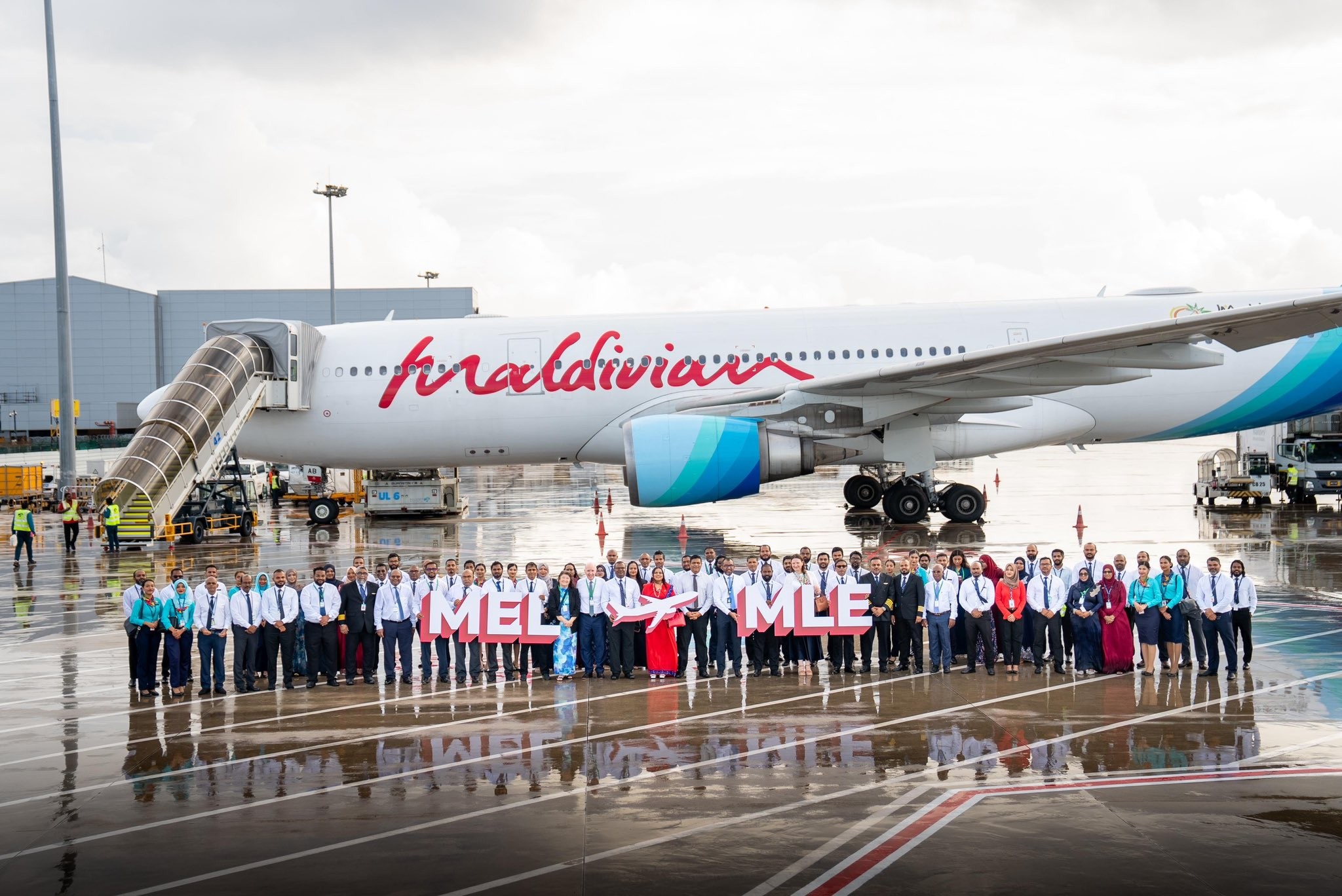
Maldivian Launches Direct Flights Between Maldives and Australia, Marking New Era in Travel Connectivity
May 21, 2026
Maldives Explores Tourism Relief Measures After Middle East Conflict Losses Exceed USD 500 Million
May 11, 2026Latest News

Maldives Govt to Ban Social Media Access for Children Under 16
10 min read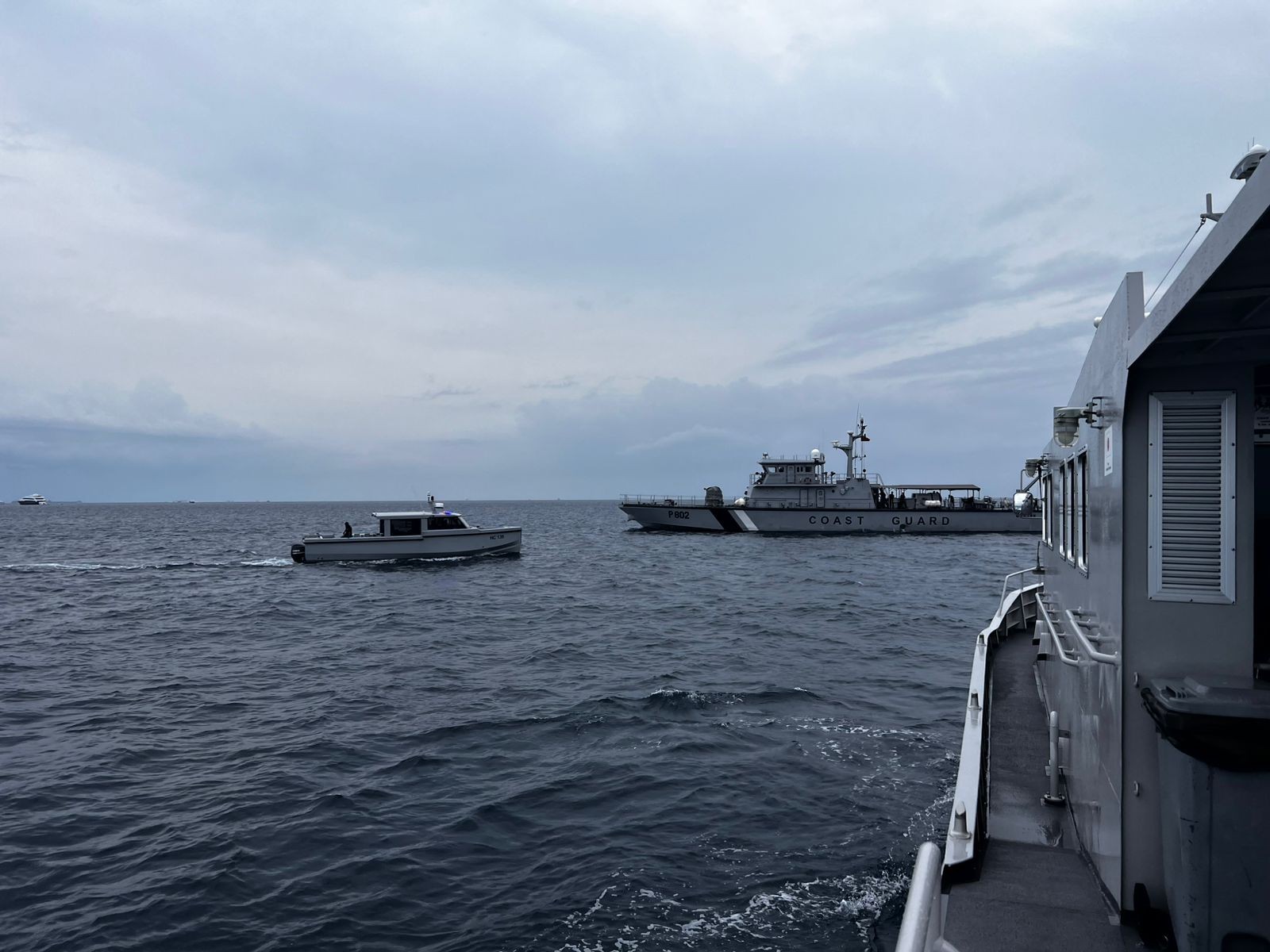
Bodies of Four Missing Italian Divers Found After Extensive Search Operation
10 min read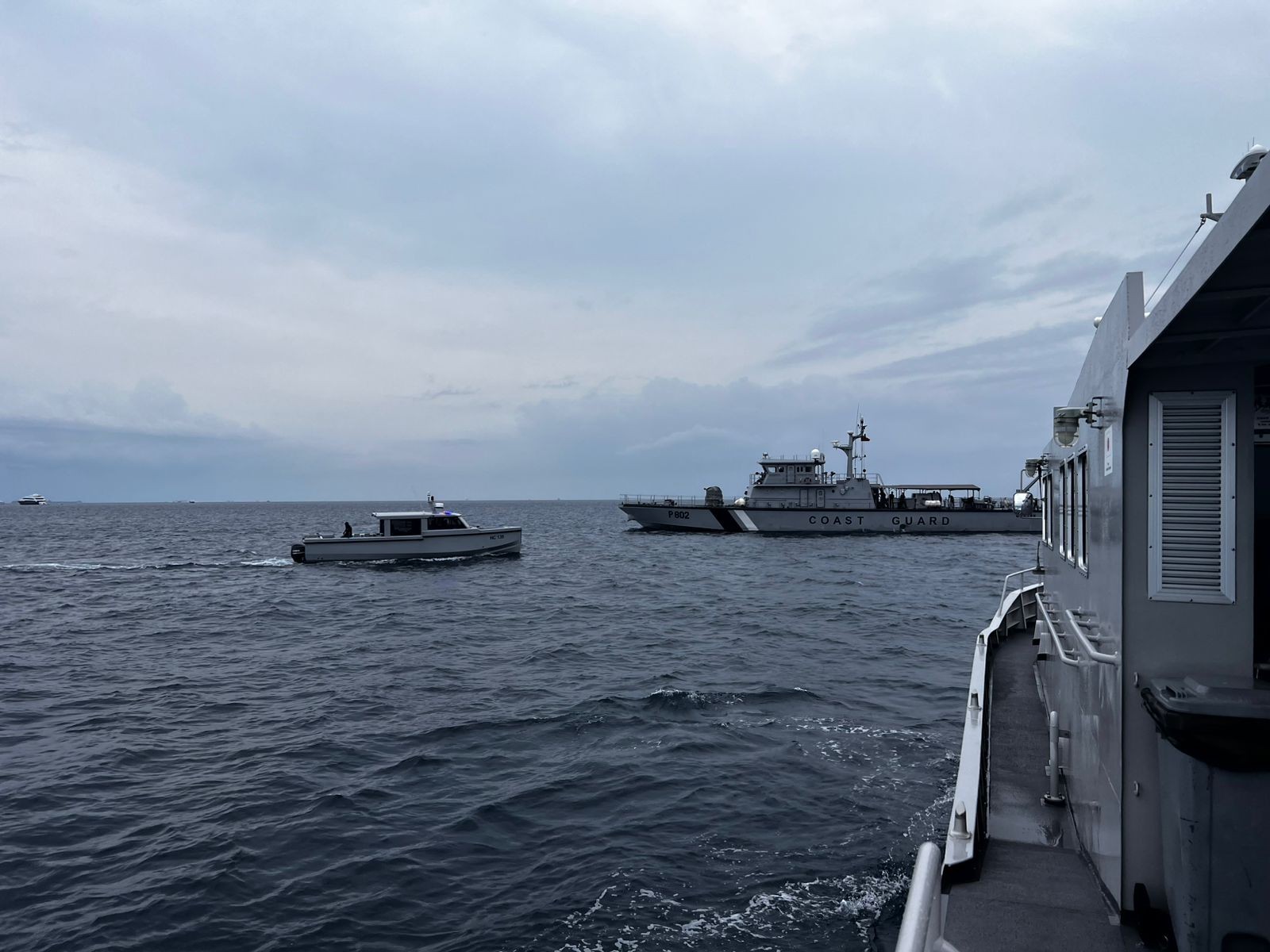
Search for Missing Italian Divers in Maldives Suspended After Coast Guard Fatality
10 min read
Maldives President Visits Tragic Diving Incident Site, Pledges Full Govt Support for Search Operations
10 min read