“For the People, By the People”: Inside Mohamed Alabbar’s $20 Billion Vision to Transform Maldives’ Economic Horizon
“If a project implemented in the Maldives does not benefit the country and Maldivians, there is no point in conducting it,” Alabbar said warmly but firmly.
In the world of global real estate, a USD 20 billion investment is a figure that commands immediate attention. But for Mohamed Alabbar, the revered Emirati tycoon and head of the UAE’s Eagle Hills, a project of this magnitude is not merely about pouring concrete into the sea; it is about pouring prosperity into the lives of the people who call the destination home.
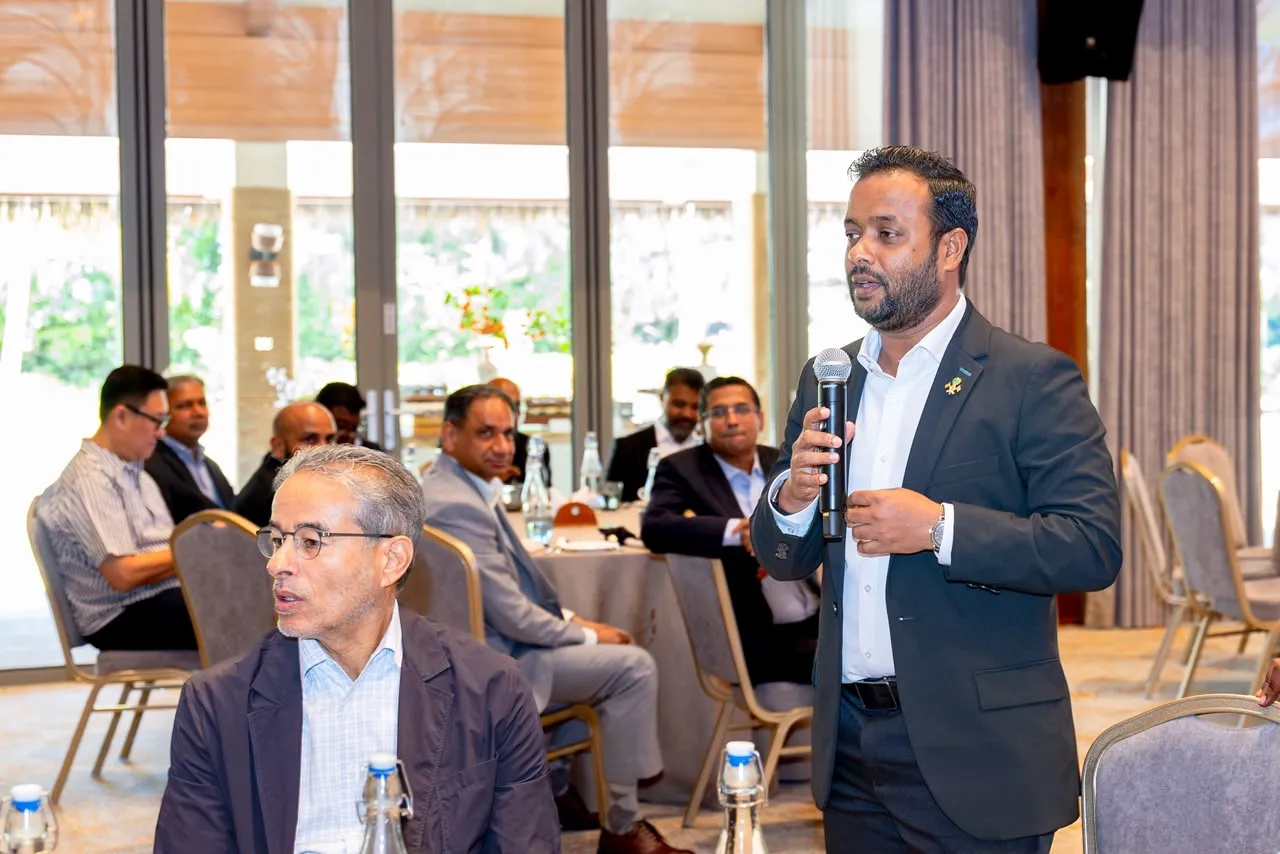
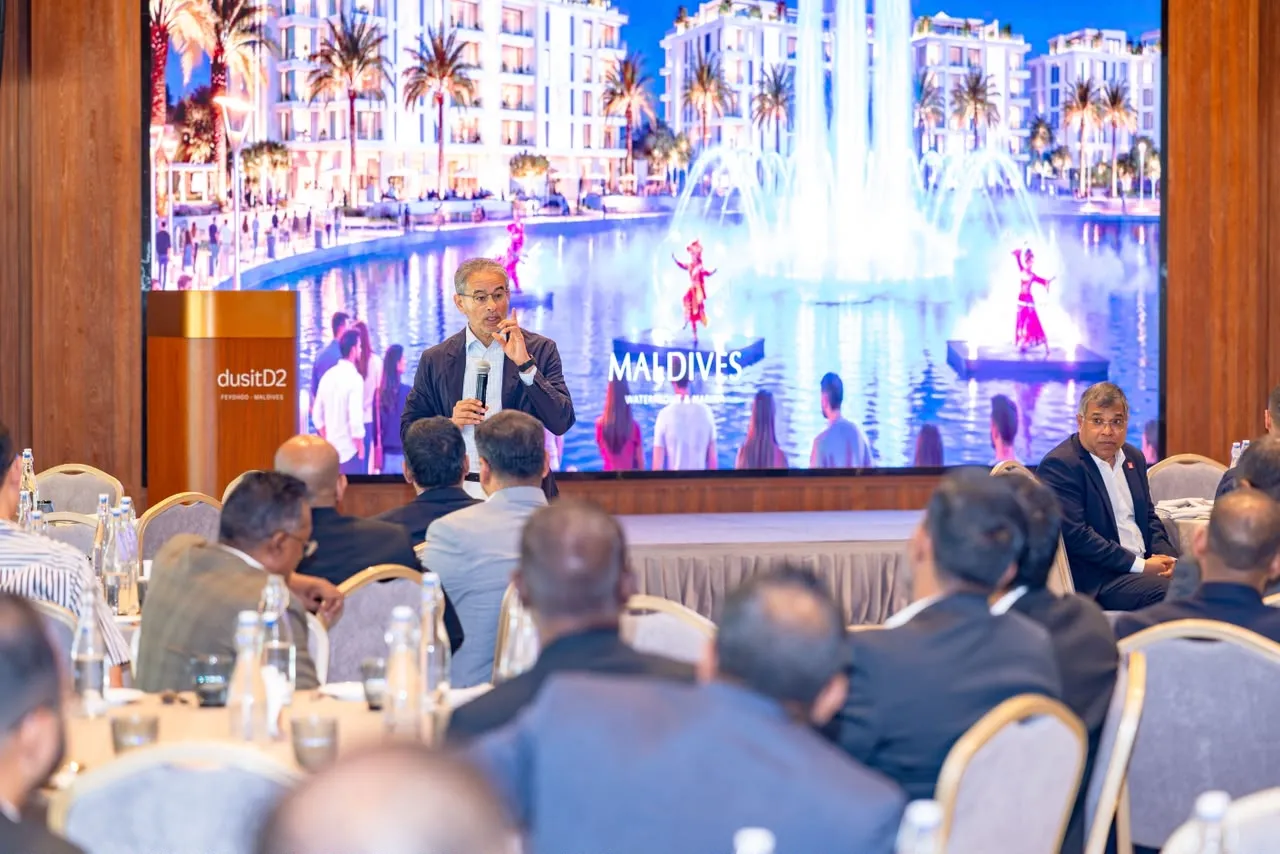
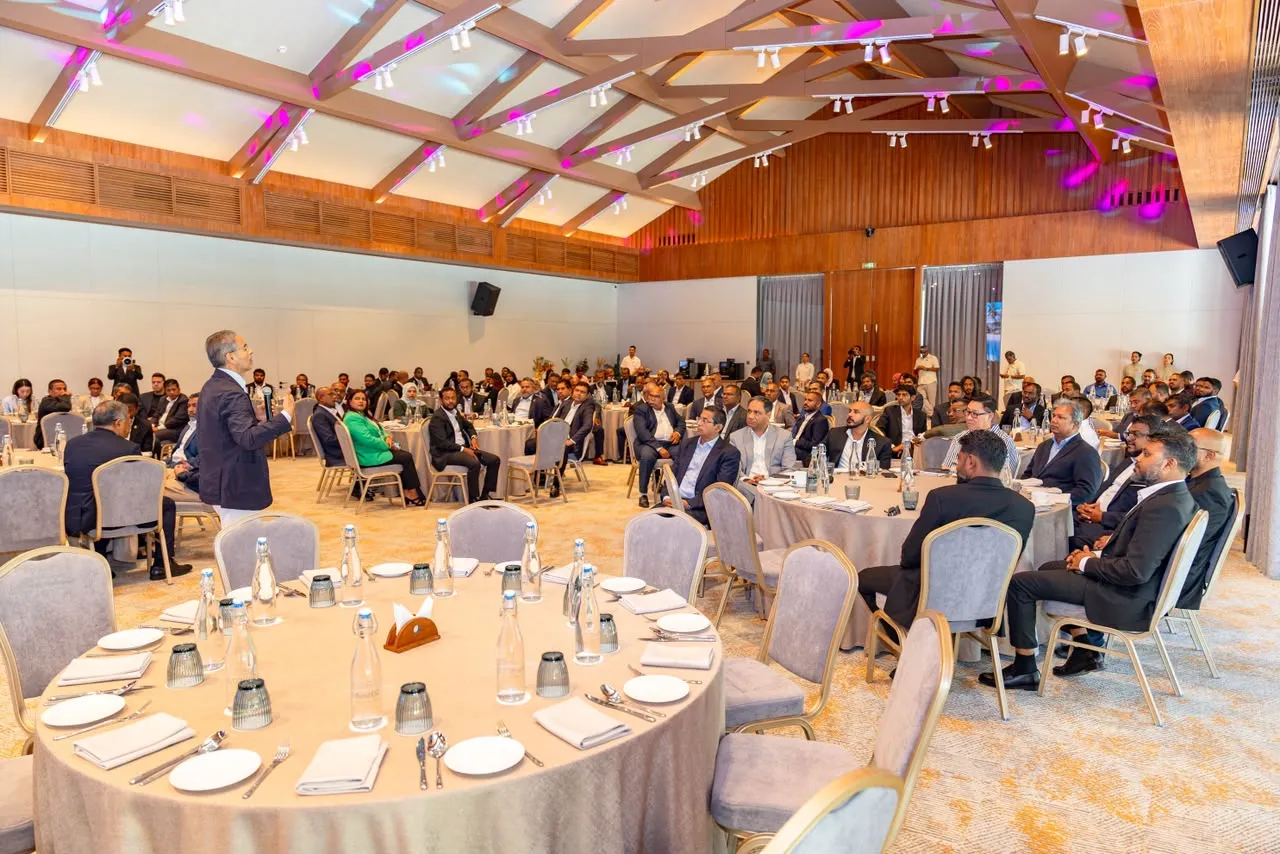
Speaking directly to Maldivian business leaders and journalists at an intimate luncheon held at the Dusit D2 Feydhoo Maldives Resort, Alabbar laid out a clear, uncompromising philosophy for his company’s massive undertaking in Ras Male’.
“If a project implemented in the Maldives does not benefit the country and Maldivians, there is no point in conducting it,” Alabbar said warmly but firmly.
“The goal is to create opportunities to boost the income of the Maldives and its people.”
For Alabbar, the Maldives Waterfront & Marina project is a collaborative journey, not a foreign imposition. Yet, the ambitious development—slated to reshape the archipelago's economic landscape—has not been without its detractors. Skepticism from public figures and political quarters has rippled through local media.
Addressing these concerns head-on, Alabbar smiled, recalling the early days of Eagle Hills nearly three decades ago.
“When we started operating 28 years ago, we also faced criticism and challenges,” he reflected, noting that despite having successfully invested in over 20 nations, the company encounters the same pushback with almost every new frontier.
“The reason is simple: the public’s low trust in businesses. But whichever country we go to, we prioritise the local community. We listen to their concerns and identify what they need.”
A Philosophy of Localisation
Alabbar’s business model rejects the traditional "expat-heavy" enclave approach of mega-developments. Instead, he champions deep integration. In nations like Bahrain, Egypt, Georgia, and Morocco, Alabbar proudly pointed out that Eagle Hills boasts a 100% local workforce.
“Alhamdulillah, Almighty Allah has made this work easy for us,” he said.
“Wherever we have invested, we invest a minimum of USD 5 billion. In all these places, the suppliers, architects, contractors, and staff are local businesses. The same principle will be applied in the Maldives.”
To illustrate his point to the gathered local entrepreneurs, Alabbar used a simple, everyday example. Like the UAE, the Maldives is a nation heavily reliant on imports.
“What I want to convey is that when doing business—for example, if we need a bottle—instead of importing it directly, we will purchase it from Maldivian suppliers,” he explained.
By utilising local supply chains, Alabbar intends for the economic waves of the USD 20 billion project to wash through every sector of the Maldivian economy, from logistics and manufacturing to retail and craft.
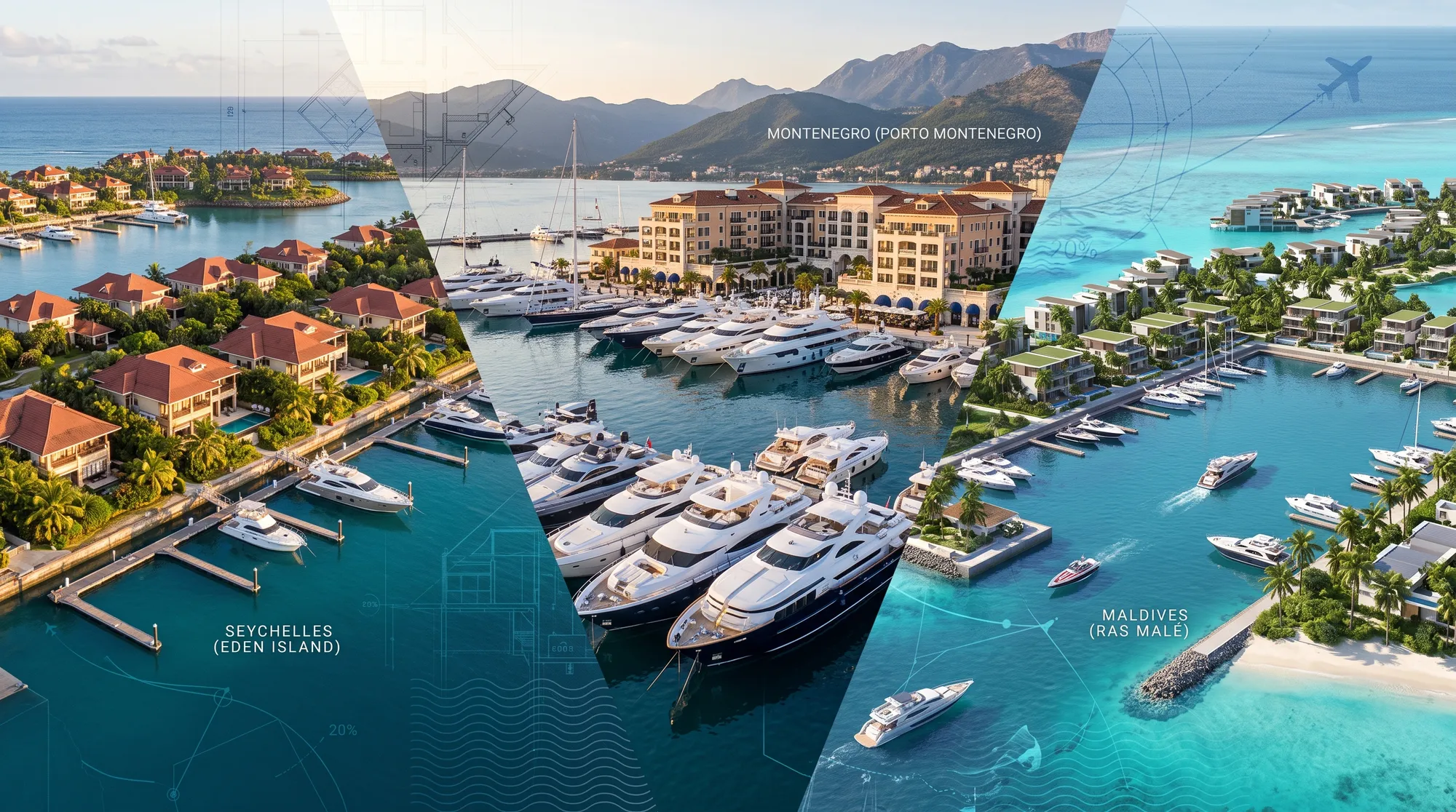
He emphasised that Eagle Hills is not seeking to operate in a vacuum or bypass local authority. Pointing to the company's compliance record in Montenegro, Alabbar assured that the Maldives project would strictly adhere to the host nation’s laws, environmental regulations, and legislative decisions. To combat mistrust, he highlighted that Eagle Hills’ agreements are built on international best practices and are generally made fully accessible online for public scrutiny.
The Grand Blueprint of Ras Male’
The scale of the project allocated to Eagle Hills is historic. The developer has been granted 500 hectares of land in the 'Urban Area' of Ras Malé to bring the Maldives Waterfront & Marina to life.
Once complete, the master-planned district will feature:
Premium residences designed in collaboration with prestigious global brands.
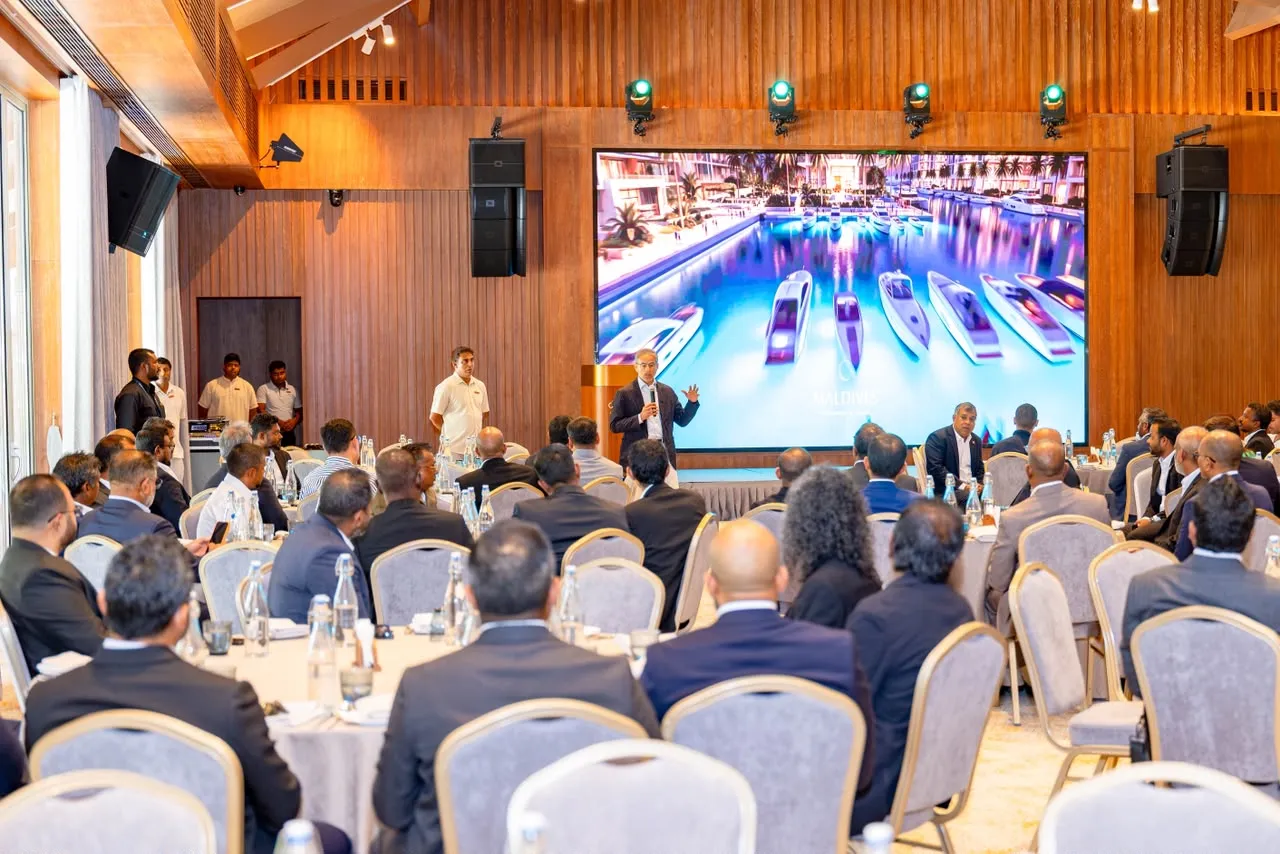
A world-class superyacht marina and a vibrant waterfront promenade.
High-end resorts, diverse culinary offerings, and dedicated wellness and leisure centers.
The economic projections are staggering. Executed in phases, the development is expected to catalyse over USD 30 billion in foreign investment (including USD 18 billion in net investment). Initial estimates say it will generate approximately 54,000 jobs, attract more than one million tourists annually to the area, and inject a whopping USD 2 billion in tourism revenue directly from the waterfront zone alone.
Partners in Prosperity
The reaction from the Maldivian business community has been one of cautious optimism turning into enthusiastic support. Several business leaders at the luncheon expressed their gratitude to Alabbar, emphasising that a capital injection of this scale is precisely the catalyst the Maldives needs to transition into a high-income nation. They stressed, however, that the true success of the project hinges on genuine joint ventures with local enterprises—a sentiment Alabbar wholeheartedly agreed with.
“We want your participation,” Alabbar urged, inviting local investors and businesses to reach out and register their interest through the company’s portal.
“As we do business here, you might think we are making large profits. We want you to be a part of this. We want to move forward together.”
With a commercial terms agreement already inked last month and subsequent operational contracts currently being finalised, the groundwork is being laid. If Mohamed Alabbar’s track record is any indication, the sands of Ras Male’ are about to become the foundation for a new era of Maldivian prosperity—built not just on foreign capital, but on local pride.
Leave a comment
Comments
No comments yet. Be the first to comment!