Inside the Safeguards of the Rasmale Waterfront Mega-Project
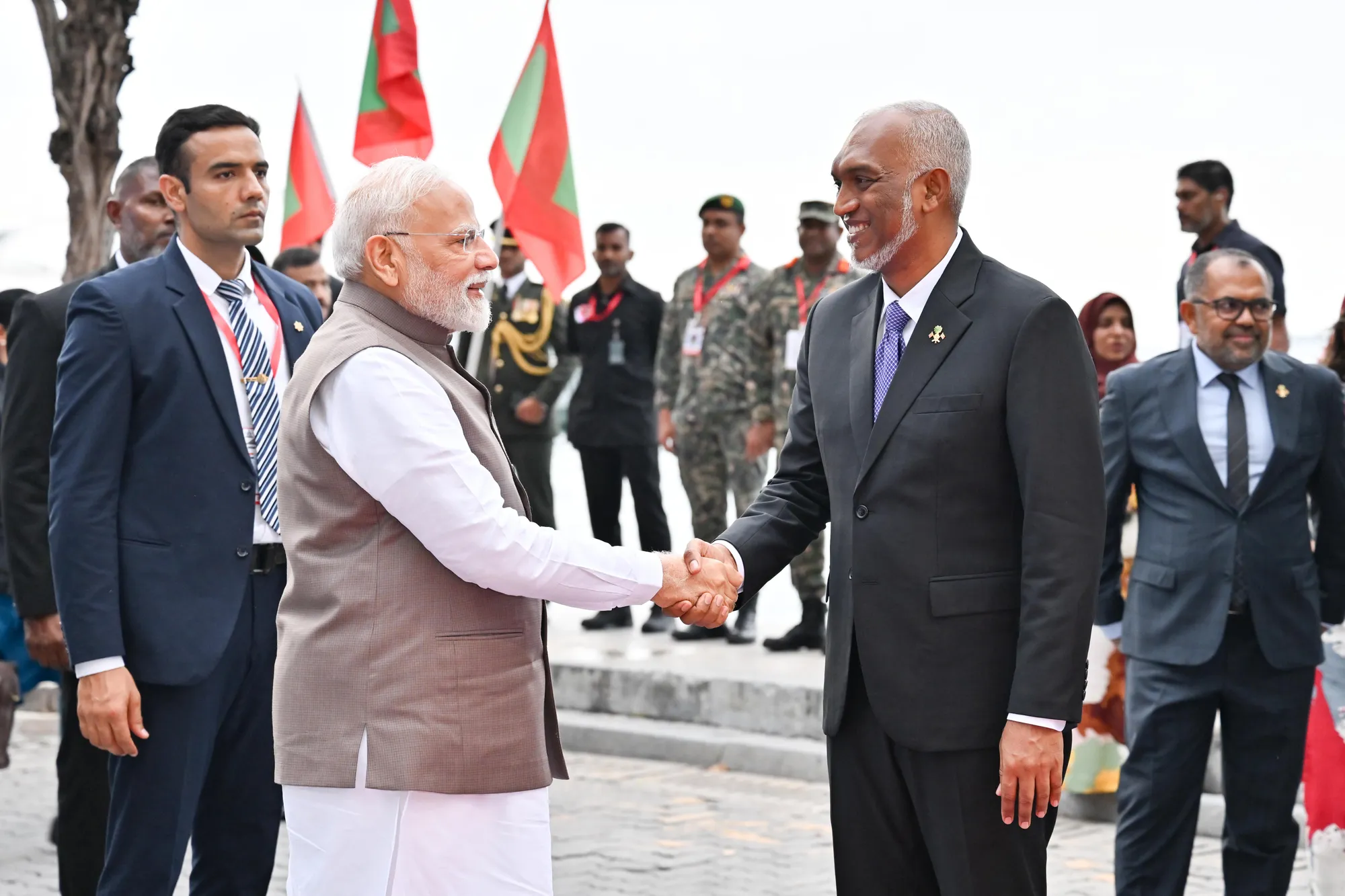
Facing pushback and accusations from political opposition that the island could become an alienated, foreign-controlled enclave, President Dr Mohamed Muizzu outlined a detailed web of regulatory buffers during an appearance on the President’s Office podcast ‘The Pulse.
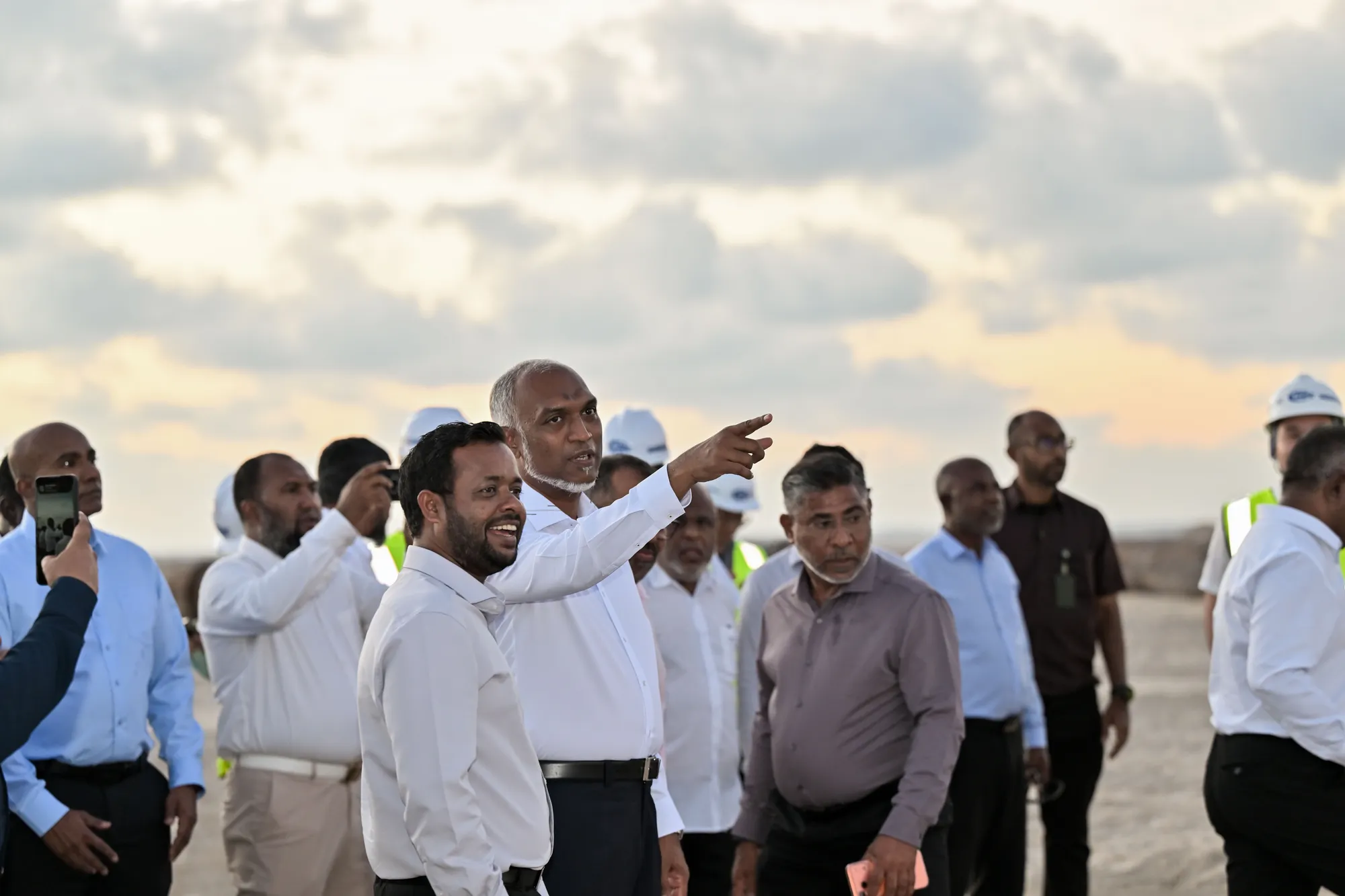
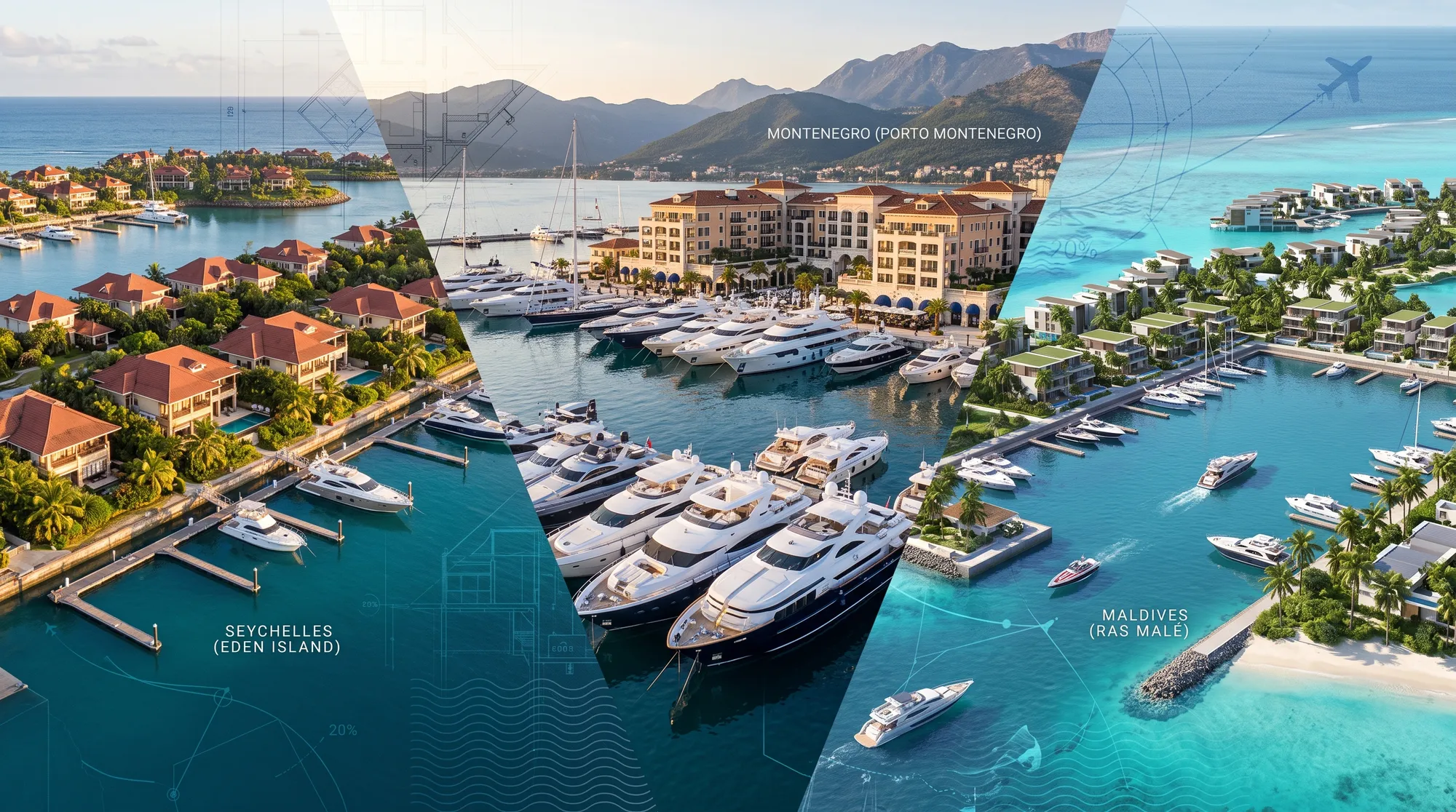
Across the narrow stretch of sea from the capital, the dredging of Fushidhiggaru Falhu represents the most audacious reclamation project in Maldivian history. Yet, as the nascent contours of Rasmale rise from the lagoon, the development’s physical scale has been matched by an equally sprawling political debate over sovereignty, foreign capital, and national identity.
At the center of the dispute is the 500-hectare ‘Maldives Waterfront and Marina Project’, slated for development in partnership with the UAE-based developer Eagle Hills. Facing pushback and accusations from political opposition that the island could become an alienated, foreign-controlled enclave, President Dr Mohamed Muizzu outlined a detailed web of regulatory buffers during an appearance on the President’s Office podcast ‘The Pulse.
Chief among these mechanisms is a ‘25 percent nationality cap’, anchored within a wider architecture of tenure limits, constitutional boundaries, and strict financial controls.
Capping the Horizon: The 25 Percent Rule
Under the proposed legal framework, no single foreign country’s nationals will be permitted to acquire more than 25 percent of the project’s real estate inventory.
The rationale is clear—prevent demographic concentration. In high-end global developments, unrestrained foreign acquisition often produces homogeneous offshore enclaves, exposing host nations to foreign policy pressure and geopolitical vulnerability. By spreading the foreign footprint across multiple markets, the state aims to preempt any single nationality from gaining outsized local influence.
Critically, this restriction applies exclusively outward. Maldivian nationals face ‘no ownership ceilings’, framed by President Muizzu as an invitation for middle- and upper-middle-class Maldivians—who face chronic housing and land shortages in the greater Male’ region—to invest alongside international buyers.
Conversely, the open door closes entirely for one group—the administration reaffirmed a total statutory ban on Israeli citizens buying or leasing real estate in the development, aligning with its earlier foreign policy decisions on Israeli passports.
Sovereign Ground: 99-Year Leases and the Power of Buyback
Beyond nationality quotas, the government has moved to dismantle fears of permanent land alienation. Foreign acquisitions at Rasmale will not be granted on a freehold basis. Instead, titles are strictly tied to ‘99-year leaseholds’ with no automatic right of renewal.
Once the century-long lease term expires, legal possession reverts back to the Maldivian state. Under the proposed terms, the government retains discretionary power to either buy back the properties—reimbursing documented development expenses—or re-lease them on the state’s terms.
Additionally, the secondary market will not operate as an unregulated offshore exchange. Owners will be legally prohibited from selling, gifting, or transferring properties without prior state knowledge and explicit regulatory sign-off, ensuring the 25 percent nationality cap cannot be eroded through private resales.
Law, Faith, and the Constitutional Line
A central pillar of the administration’s messaging addresses sovereignty and social cohesion. Countering rumours of an extraterritorial community with separate rules, the President underscored that the Constitution of the Maldives applies uniformly across every square foot of Rasmale.
Jurisdiction and Policing: The development will not rely on private foreign security firms. The Maldives Police Service will establish and man a dedicated station on the island, maintaining statutory civil authority.
Religious Guardrails: Foreign ownership will not alter the nation’s constitutional religious baseline. Non-Islamic public worship spaces remain prohibited; only mosques will be built.
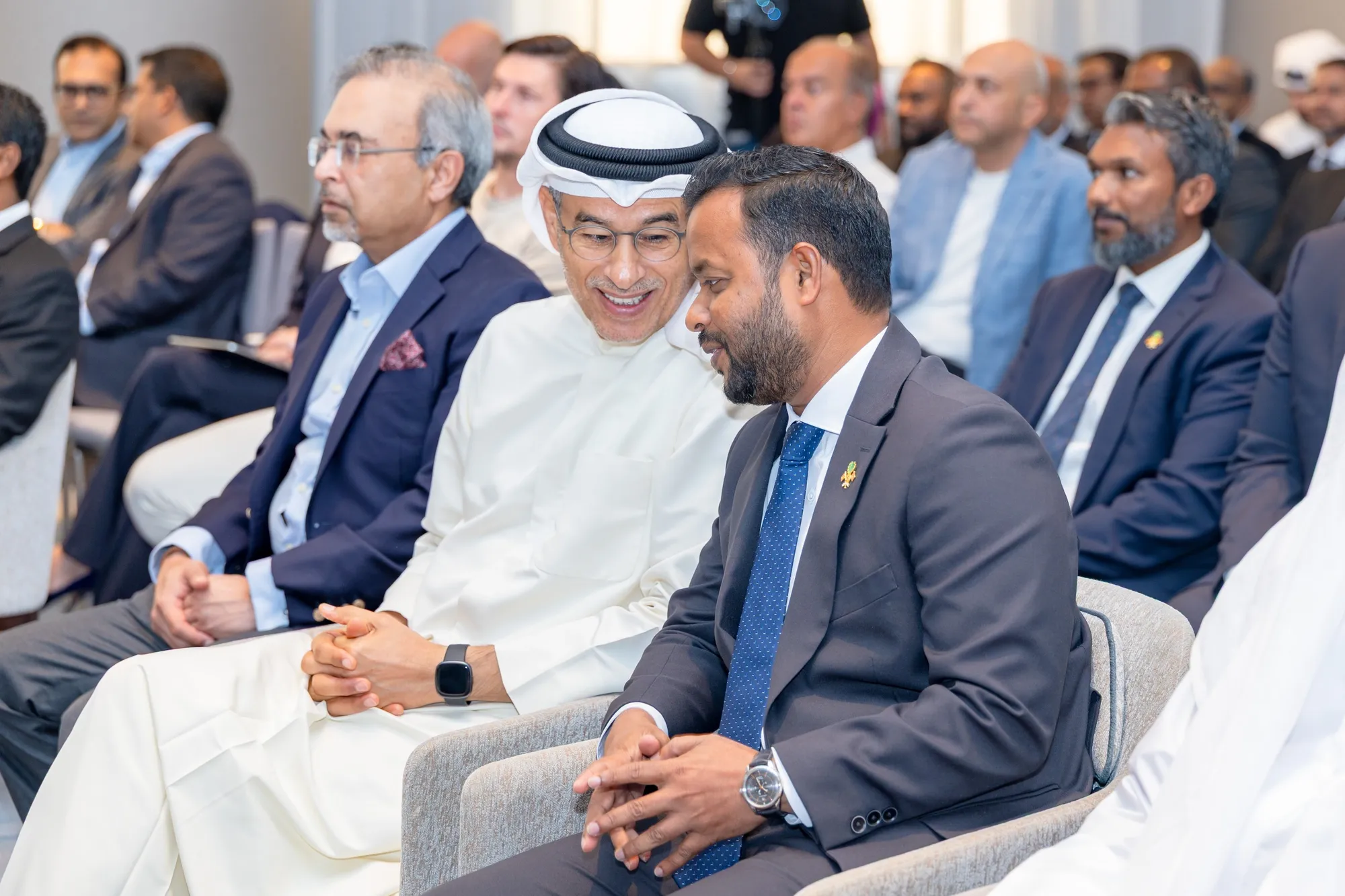
Target Demographics: Current commercial interest is heavily anchored in GCC and wider Middle Eastern Arab Islamic states—a demographic alignment the government argues will integrate seamlessly with local cultural standards, akin to operations in high-end resort islands.
Dollar Escrows and Public Dividends
While the safeguards are designed to soothe geopolitical and social anxieties, the project’s financial mechanics aim to relieve the Maldives' pressing macroeconomic bottlenecks—most notably, chronic dollar liquidity shortages.
Revenues generated from real estate sales (where a typical 1,000-square-foot luxury unit is expected to retail around USD 600,000, or roughly MVR 9.2 million) will not be routed offshore. All proceeds must be deposited into a state-controlled escrow account based domestically in the Maldives, providing the central bank with direct support for national foreign exchange reserves.
Unlike special economic zone models that entice developers with sweeping tax holidays, the agreement offers no waivers on Tourism Goods and Services Tax (TGST) or import duties.
In addition, the Eagle Hills partnership guarantees an immediate domestic return—the delivery of 5,000 public housing units (valued at approximately USD 500 million, or MVR 7.7 billion) before commercial commissioning begins.
The Road Through the Parliament
The true test of these protections will depend on execution. Closing loop-holes involving multinational shell companies, nominee buyers, and dual-citizenship portfolios will require robust beneficial-ownership scrutiny within the Ministry of Housing and the land registry.
With the relevant Real Estate Bill soon heading to the floor of the Parliament, the government has laid out its defense. Rasmale is being pitched not as an unfettered playground for foreign capital, but as a closely guarded sovereign asset—one where global investment is welcomed, but firmly bound by statutory limits and national oversight.
Leave a comment
Comments
No comments yet. Be the first to comment!