Bridging the Equity Gap: Maldives to Launch Landmark ‘Help to Build’ and ‘Help to Buy’ Housing Schemes in November
Designed to eliminate the primary barrier to home ownership—the prohibitive upfront equity deposit—the programs represent a strategic shift toward state-backed grants that empower citizens to access commercial mortgage financing.

In a major move to address the nation’s systemic housing crisis, the government has announced the November launch of two flagship initiatives: the “Help to Build” and “Help to Buy” schemes.
Designed to eliminate the primary barrier to home ownership—the prohibitive upfront equity deposit—the programs represent a strategic shift toward state-backed grants that empower citizens to access commercial mortgage financing.
The announcement follows the formal signing of agreements last week between the Ministry of Infrastructure, Housing and Urban Development and four of the country’s leading financial institutions—the Bank of Maldives (BML), Maldives Islamic Bank (MIB), Housing Development Finance Corporation (HDFC), and Maldives Finance Leasing Company (MFLC).
Tackling the Savings Deficit
The policy intervention is fueled by sobering data from the Maldives Affordable Housing Reform Study, conducted by the Affordable Housing Institute with technical support from the World Bank. The study revealed a severe household savings deficit across the archipelago, noting that over 50 percent of surveyed households possess zero savings, while fewer than 10 percent manage to save more than MVR 3,000 monthly.
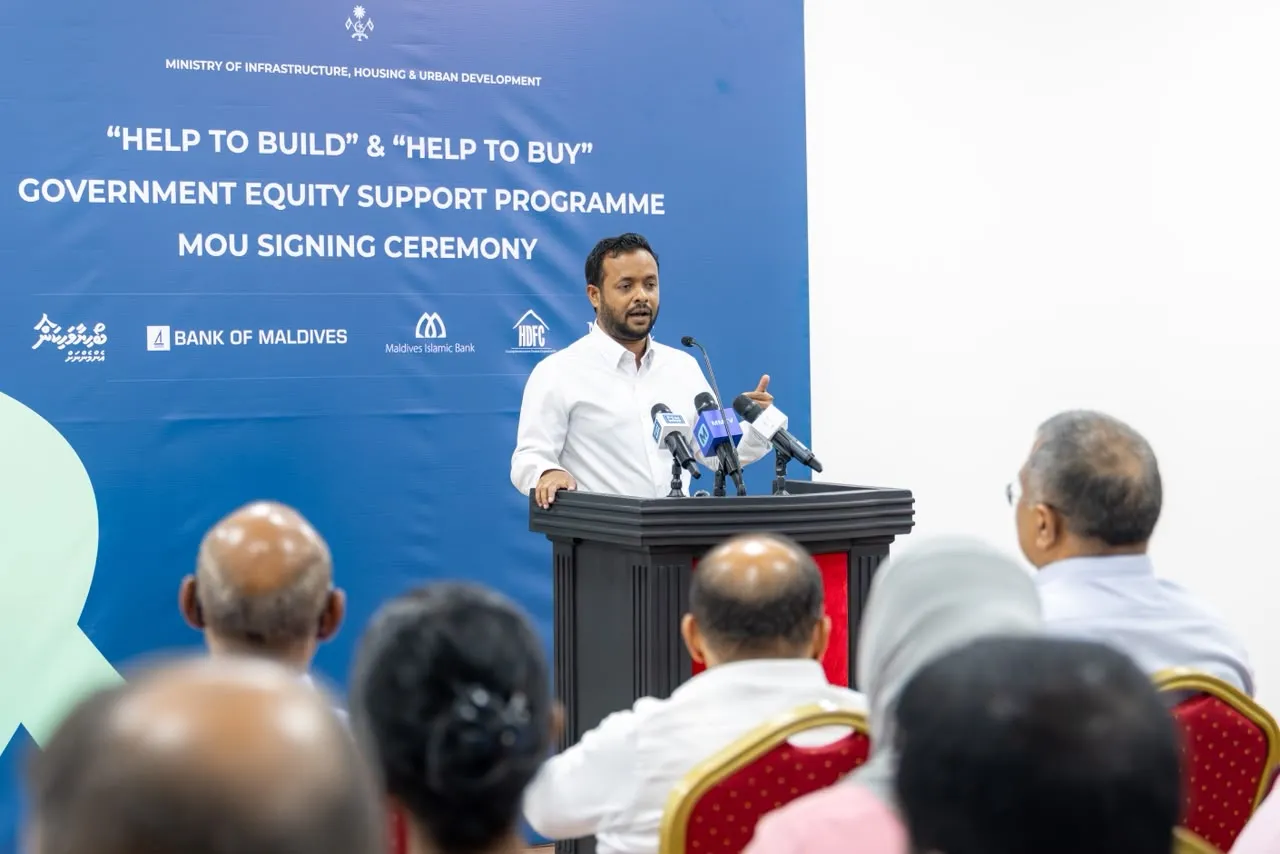
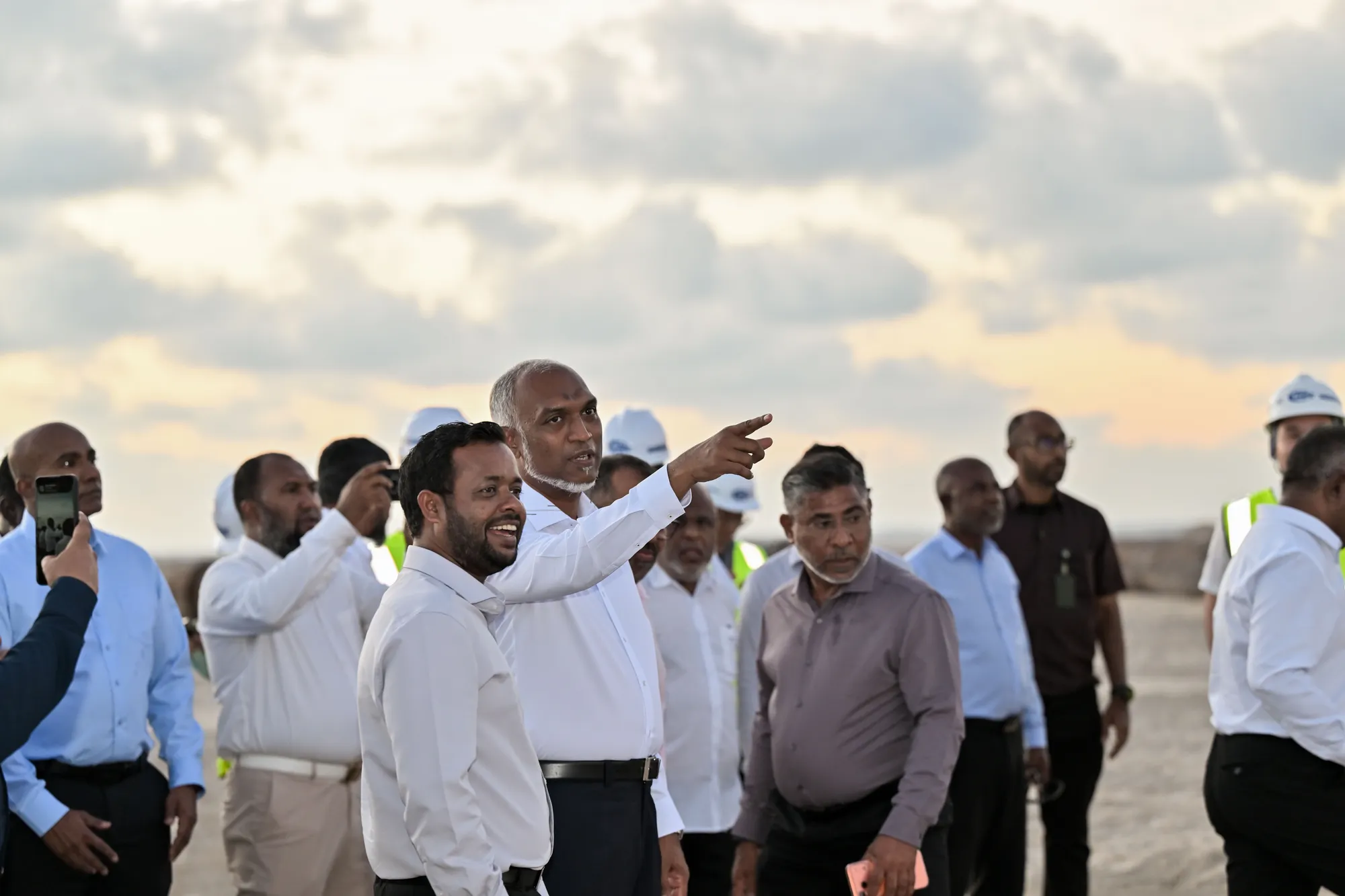
Under current market conditions, an average family would need to save for roughly 10 years just to afford a 20 percent down payment on a modest MVR 2 million apartment. Minister of Infrastructure, Housing and Urban Development Dr Abdulla Muththalib emphasised that for most Maldivians, the crisis is not an inability to meet monthly loan commitments, but rather the "initial capital outlay" required by banks.
A Two-Pronged Approach
The National Home Ownership Programme divides its support into two distinct categories to cater to different segments of the population:
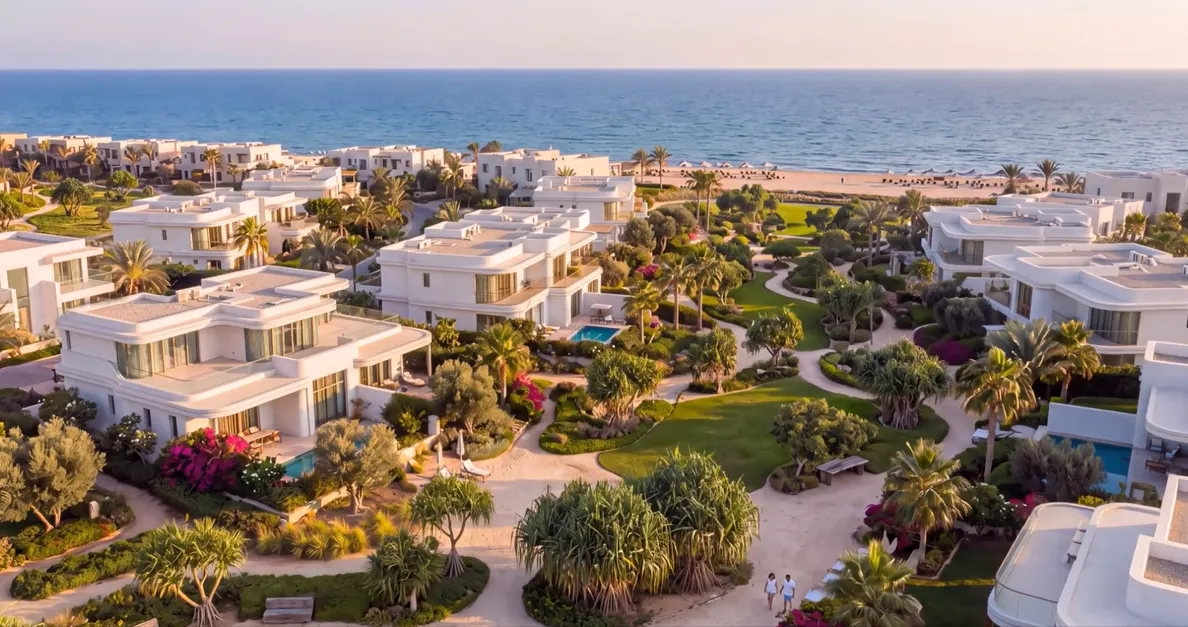
Help to Build: This scheme targets landowners who have property but lack the capital to begin construction. The state will provide a grant of up to MVR 200,000 per owner (capped at MVR 1 million per plot). In its first phase, the scheme is available in Malé and selected inhabited islands, though it currently excludes specific development areas like Hulhumalé and Giraavarufalhu. The grant effectively covers the 20 percent equity required for a standard MVR 1 million construction loan.
Help to Buy: Geared toward first-time buyers, this scheme offers a grant of up to MVR 250,000 for the purchase of designated affordable homes priced around MVR 1.5 million. The grant is paid directly to the developer, reducing a buyer’s out-of-pocket deposit from MVR 300,000 to just MVR 50,000.
Efficiency and Anti-Speculation Measures
By providing upfront grants instead of managing direct state-run construction projects, the government aims to maximise its fiscal impact. Minister Muththalib noted that the cost of building a single state-funded house can instead be used to provide the necessary equity for five families to secure private financing. This allows commercial lenders to manage long-term debt while reserving state-built social housing for the most vulnerable citizens who cannot qualify for bank credit.
To prevent real estate speculation, the grants come with a 20-year retention covenant. If a beneficiary sells the property before the 20-year mark, the full grant amount must be repaid to the state. Furthermore, the model ensures simplicity for the homeowner, who will only service a single debt to their chosen financial institution rather than managing separate repayments to the government.
Preparing for the Launch
As the November application window approaches, the Ministry is finalising eligibility matrices and digital submission portals. Prospective applicants are encouraged to begin auditing their land registries, verifying titles, and consulting with the four participating lenders to determine their borrowing capacity.
While acknowledging that monthly loan installments on outer islands may exceed local rental rates, Minister Muththalib remained firm on the long-term benefits of the transition.
"Rent, however modest, builds nothing," the Minister said.
"Every instalment builds ownership."
Leave a comment
Comments
No comments yet. Be the first to comment!