Beyond the Resort Model: Assessment Reveals How the USD 20 Billion Ras Male' Project will Reshape Maldives’ Economy
Presenting the findings at the Maldives Accountants Forum on Saturday, Evalueserve Director Michał Radziuk and Senior Manager Arnav Saxena argued that shifting toward integrated urban-coastal destinations unlocks macroeconomic multipliers that traditional standalone resorts simply cannot replicate.
For five decades, the Maldivian economic engine has run on a celebrated yet singular formula—one island, one luxury resort. While that model turned an archipelagic nation into a global synonym for high-end escapism, it has also concentrated economic activity into isolated enclaves.
Now, global research and analytics firm Evalueserve has unveiled an Economic Impact Assessment (EIA) for what could become the country’s most ambitious departure from that orthodoxy: the Maldives Waterfront and Marina project at Ras Male’.
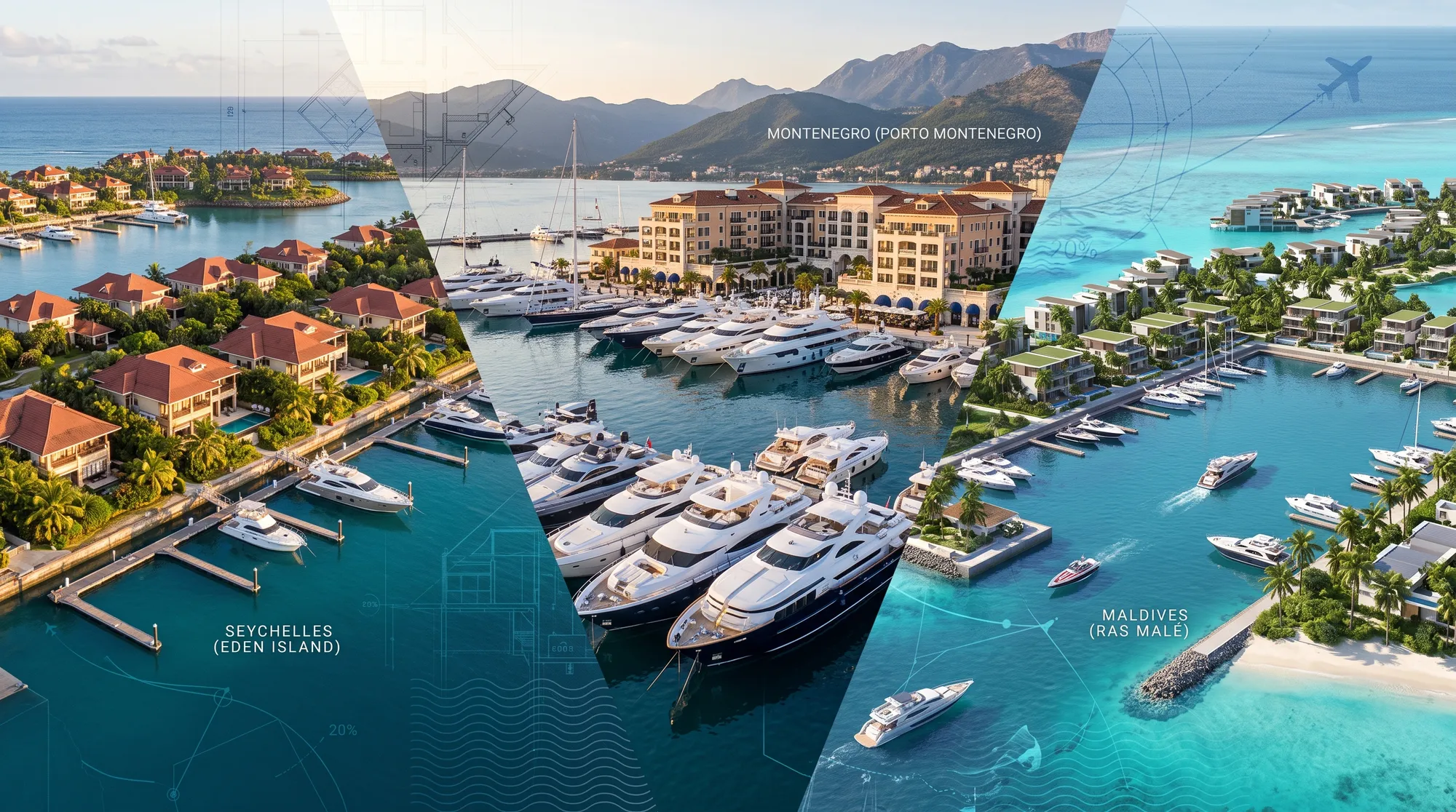
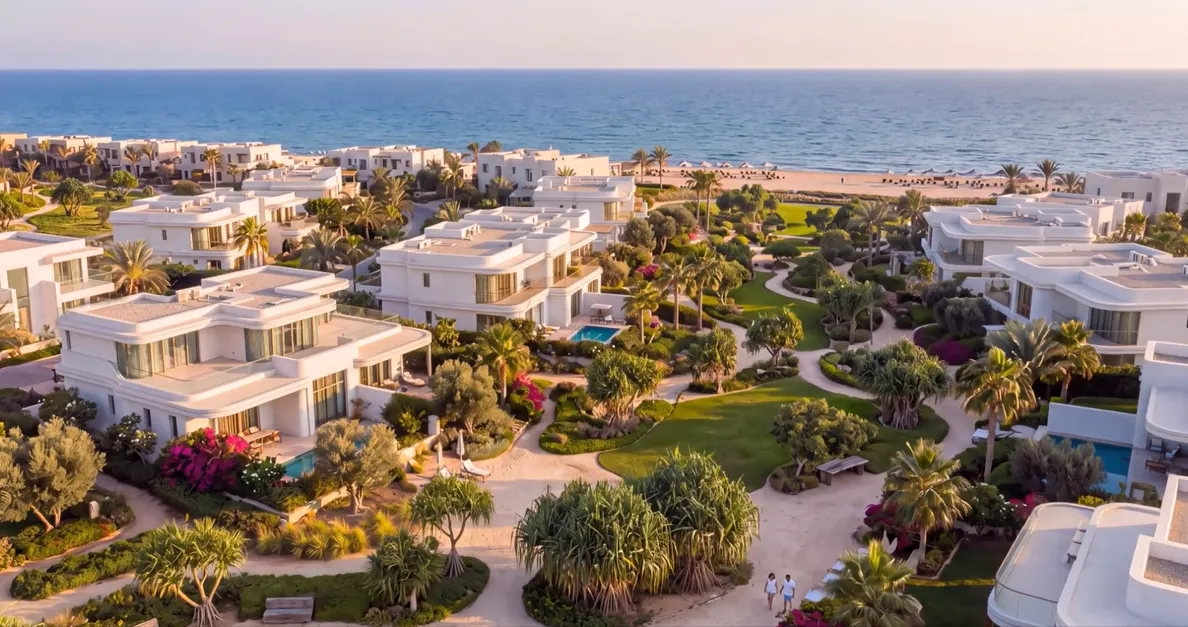
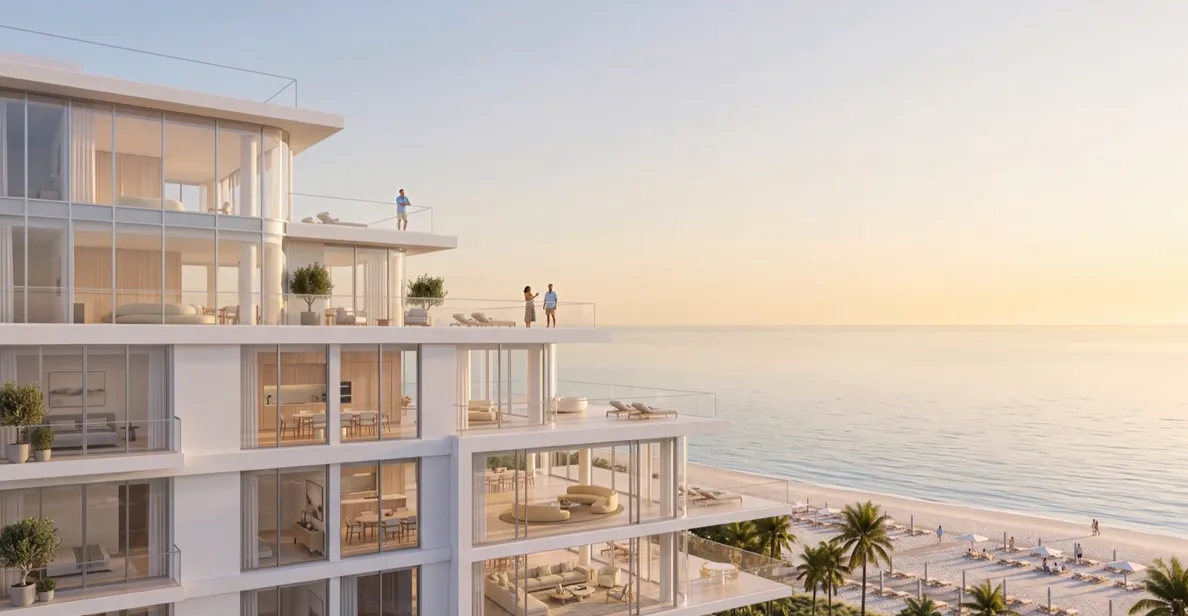
Valued at an estimated development cost of USD 20 billion across 500 hectares of reclaimed land, the project is framed not as another secluded retreat, but as a multifunctional, integrated coastal district blending tourism, branded residences, social housing, commerce, and public leisure.
Presenting the findings at the Maldives Accountants Forum on Saturday, Evalueserve Director Michał Radziuk and Senior Manager Arnav Saxena argued that shifting toward integrated urban-coastal destinations unlocks macroeconomic multipliers that traditional standalone resorts simply cannot replicate.
The Power of the Multiplier
"This project should not be looked at as another resort project," Radziuk emphasised during the presentation.
Our research shows that multi-purpose development projects bring a much higher GDP multiplier than just resort projects.
Grounding their estimates in benchmark standards from the International Monetary Fund (IMF) and the World Bank—alongside bottom-up interviews with Maldivian and international industry experts—Evalueserve projected significant macro-level returns over the project’s initial 10-year development and operational horizon:
Direct GDP Contribution: Projected at USD 30 to 35 billion, delivering an estimated average annual incremental GDP growth of ~2.0 percentage points.
GDP Multiplier: Calculated at 1.6x, indicating that every dollar deployed is expected to yield USD 1.60 in direct domestic economic value (falling squarely within the IMF's 1.2x–2.0x benchmark range for large-scale integrated coastal schemes).
Foreign Direct Investment (FDI): Anticipated gross foreign direct investment reaches USD 34 billion, with net foreign investment tracking at approximately USD 22 billion.
Fiscal Revenue: Estimated at USD 11.6 billion in accumulated public revenues, spanning direct taxes, GST, and indirect fiscal streams.
Total Economic Output: An overall wider economic footprint exceeding USD 40 billion+ when factoring in direct, indirect, and induced economic effects.
Moving Beyond Abstract GDP: What It Delivers to Citizens
Radziuk noted that while headline figures in the billions matter to state planners, macroeconomic aggregates often feel detached from ordinary citizens.
To gauge ground-level value, the assessment mapped benefits across three tangible domestic channels: enterprise growth, visitor expansion, and employment.
1. SME Scaling and Supply Chain Integration
With small and medium-sized enterprises making up over 95 percent of registered businesses in the Maldives—many of which encounter structural hurdles when trying to scale—the development is designed to integrate over 300 Maldivian SMEs directly into high-value supply chains. Beyond standard hospitality procurement, commercial demand will extend into retail operations, marina logistics, maintenance, food distribution, and professional services such as accounting and administration.
2. Broadening the Tourism Demographic
The project forecasts the arrival of 900,000 additional visitors annually, unlocking over USD 2 billion in recurring annual tourism expenditure across residences, retail, entertainment, and yachting facilities. Stacked against the country's baseline of roughly 2 million arrivals, this represents a 40 percent expansion in total visitor capacity. More critically, it seeks to diversify the visitor demographic away from seasonal honeymooners toward business delegates, maritime enthusiasts, and long-stay residential travelers.
3. 60,000 Jobs Across Two Lifecycle Phases
The assessment projects the creation of roughly 60,000 jobs:
45,000 jobs mobilised across the multi-phase engineering and construction stage.
15,000 permanent operational positions sustained across hospitality management, marina logistics, retail operations, and municipal management.
"These three channels reinforce one another," Radziuk warned, noting that local workforce integration and domestic enterprise access must be secured from day one to avoid economic value leaking abroad.
Marine Stewardship in a Vulnerable Geography
Taking over the briefing, Senior Manager Arnav Saxena addressed the ecological and spatial responsibilities inherent in reshaping coastal environments.
"The Maldives is surrounded by an ocean, and this ocean is not seen as a view; it is actually the economy that lives in it," Saxena stated.
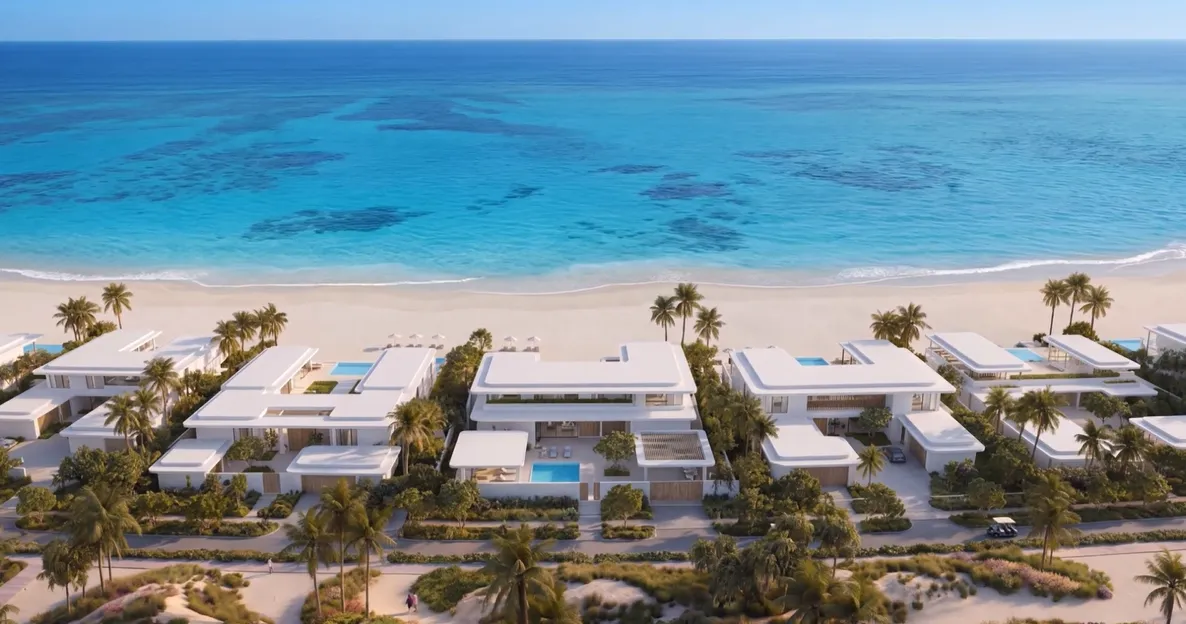
"It is very important to conserve the environment and marine life."
Evalueserve outlined three operational benchmarks to safeguard long-term sustainability:
Responsible Land Planning: Allocating up to 22 percent of total land area strictly for open public realms, green buffers, and community waterfront corridors, paired with resource-efficient, water-sensitive landscaping.
The Blue Economy & Clean Marinas: Implementing rigorous clean-marina standards, water-quality monitoring, and community-partnered reef-restoration and coral nursery programs.
Climate-Resilient and Smart Infrastructure: Embedding distributed rooftop solar arrays, advanced closed-loop wastewater treatment facilities, and climate-adaptive storm drainage directly into early engineering phases.
Regional Precedents and Strategic Lessons
To substantiate the projections, the study evaluated three regional developments undergoing comparable scale and coastal challenges:
Project & Location | Scale / Footprint | Capital / Investment | Jobs Created | Strategic Focus |
Kura Kura Bali (Indonesia) | 498 hectares | ~USD 6.3 billion | ~99,000 jobs | Multi-resort Special Economic Zone, integrated marina, education, and commercial hubs. |
Port City Colombo (Sri Lanka) | 269 hectares | USD 15.0 billion | ~143,000 jobs | Offshore international service-oriented financial center and commercial district. |
Melaka Gateway (Malaysia) | 552.8 hectares | ~USD 10.6 billion | ~45,000 jobs | Maritime, high-tech industrial, and mixed-use coastal tourism destination. |
Drawing from these initiatives, Evalueserve distilled three critical imperatives for the Maldives Waterfront and Marina at Ras Male’:
Unwavering Institutional Alignment: Large-scale land reclamation and urban development spans multiple legislative and construction cycles. Proactive government backing, predictable regulatory frameworks, and streamlined policy approvals are vital to prevent costly delays that erode project yield.
Aggressive Economic Localisation: Local labour quotas, dedicated SME procurement packages, and specialized vocational training programs must be institutionalized so commercial proceeds circulate within the domestic economy.
Year-Round Activation: Overcoming off-peak tourism dips requires curating international regattas, business conventions, exhibitions, and cultural programming that keep facilities commercially active 365 days a year.
The Defining Test
Closing the presentation, the analysts stressed that the ultimate benchmark of Ras Malé will not be judged by concrete poured, hectares dredged, or the luxury tier of its berths.
"Ten or fifteen years down the line when the project is complete, the question will not be whether we built a waterfront marina," Saxena concluded.
The question will be: who benefited from it? Have domestic businesses grown? Has the number of thriving Maldivian SMEs multiplied? Were local workers prioritised for high-value careers, and did year-round economic vitality take root across our islands?
Leave a comment
Comments
No comments yet. Be the first to comment!