Beyond the Rhetoric: Maldives' Double Standard on UAE Sends a Dangerous Message
When ADFD rebuilt mosques, paved runways, or sent medical aid, no political actor claimed Emirati ties compromised Islamic solidarity. Invoking Zionism now is not born of principled advocacy for Palestine; it is a calculated effort to provoke public backlash and score domestic political points.
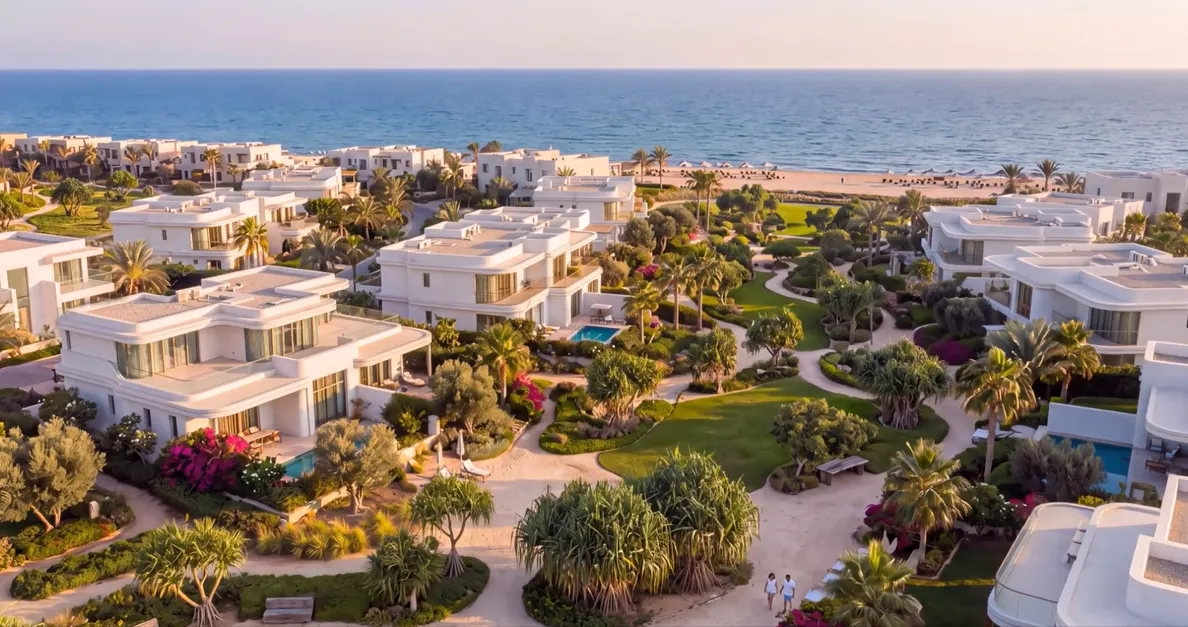
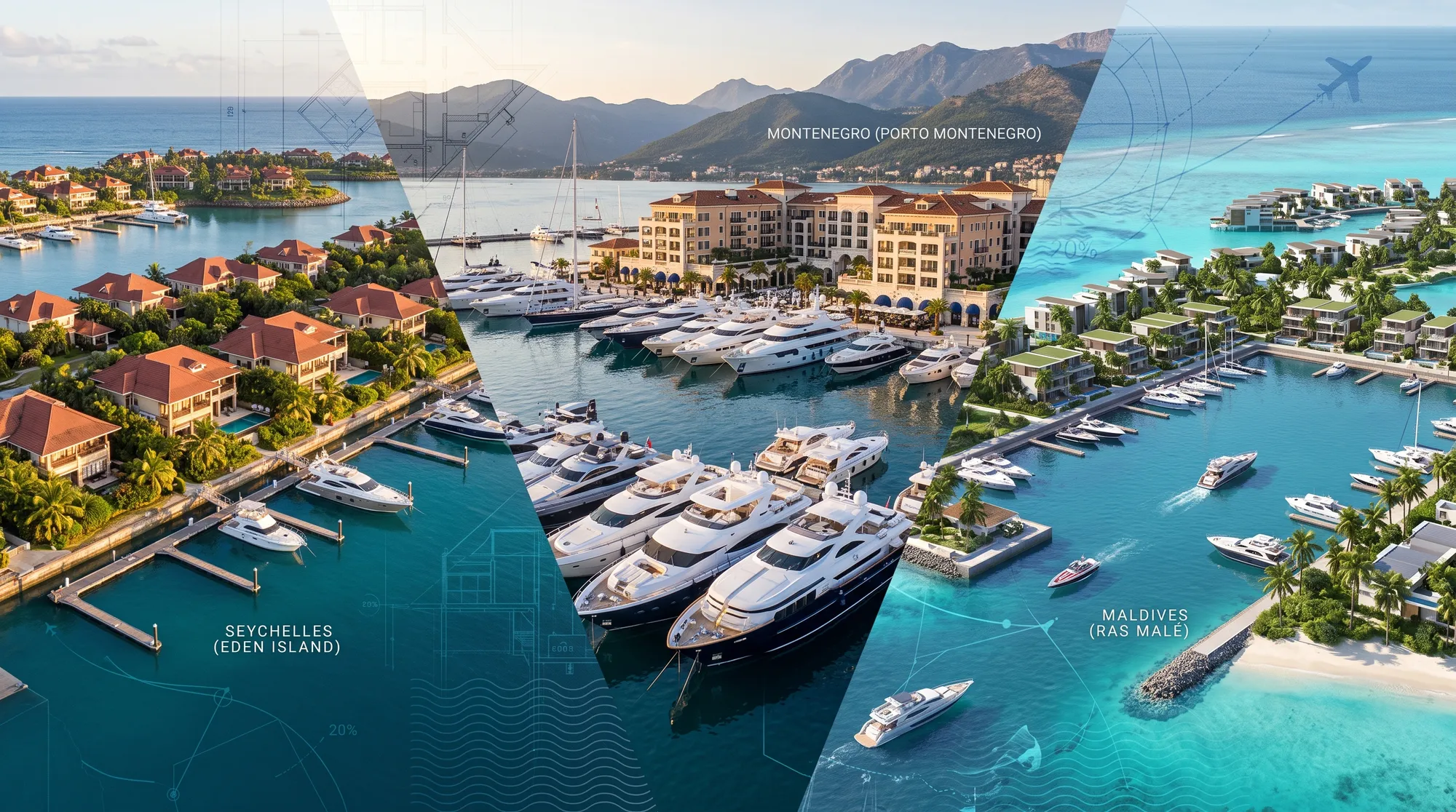
For nearly half a century, the United Arab Emirates has served as one of the most reliable and generous development partners of the Maldives. Yet today, that relationship faces an unprecedented test—not from diplomatic discord or geopolitical divergence, but from domestic political posturing aimed at the multi-billion-dollar Maldives Waterfront and Marina project in Ras Male’, backed by Abu Dhabi-based developer Eagle Hills.
The sudden emergence of hostile rhetoric targeting an Emirati private investment reveals a glaring double standard in Maldivian politics, one that risks alienating a vital bilateral partner and undermining foreign direct investment (FDI) at a precarious juncture for the national economy.
Half a Century of Concrete Solidarity: The ADFD Legacy
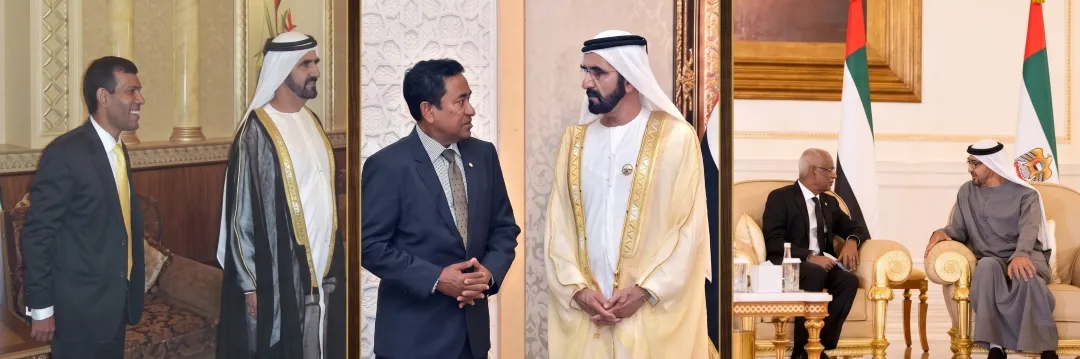
The footprint of Emirati generosity spans almost every sector of Maldivian society. Through the Abu Dhabi Fund for Development (ADFD), cooperation began as early as 1976 with the Satellite Earth Station project, followed swiftly by vital expansions of Hulhule’ Airport in 1978.
Over the decades, when the Maldives faced systemic deficits, post-disaster reconstruction needs, or critical infrastructure bottlenecks, Abu Dhabi answered consistently.
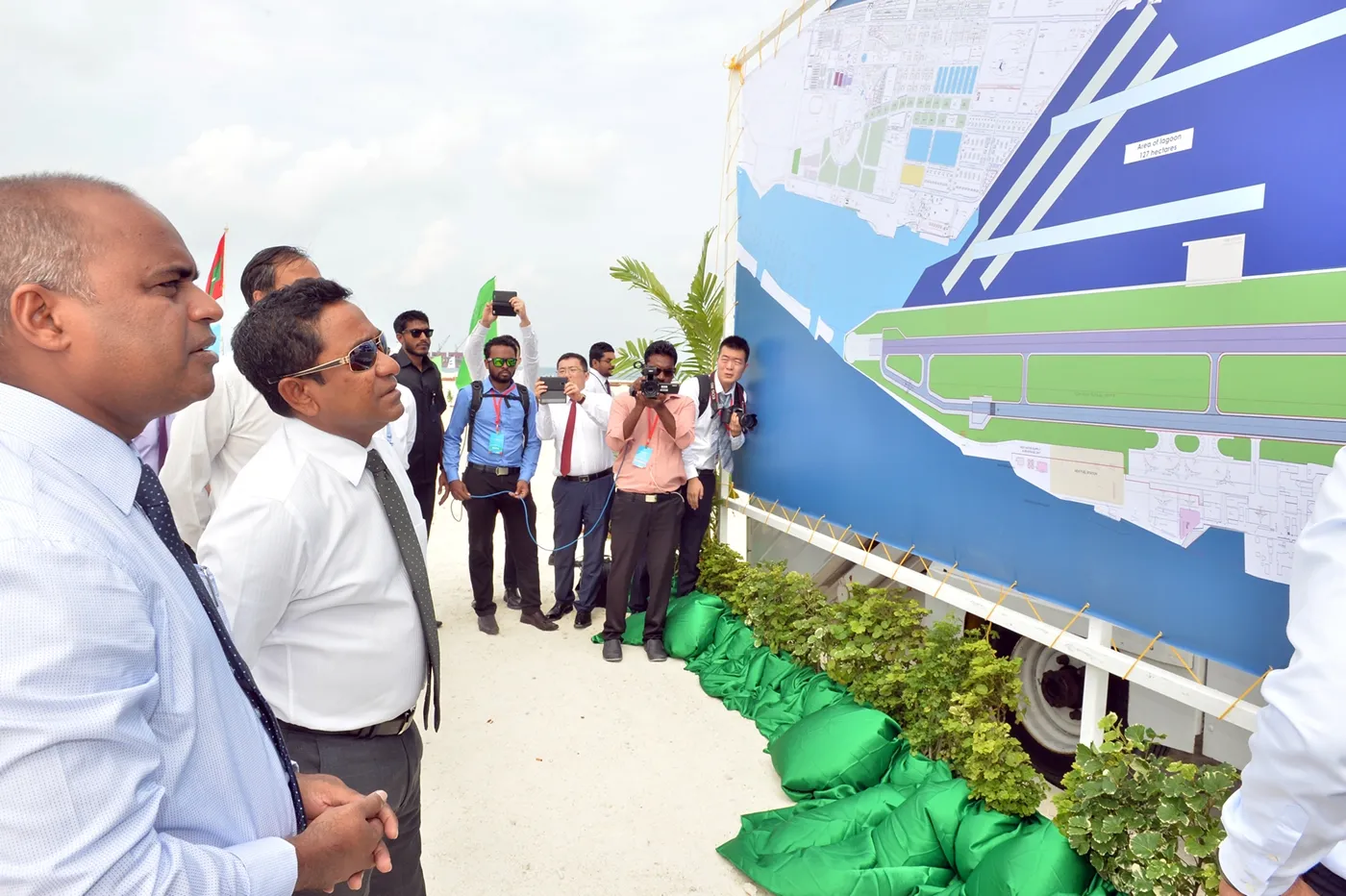
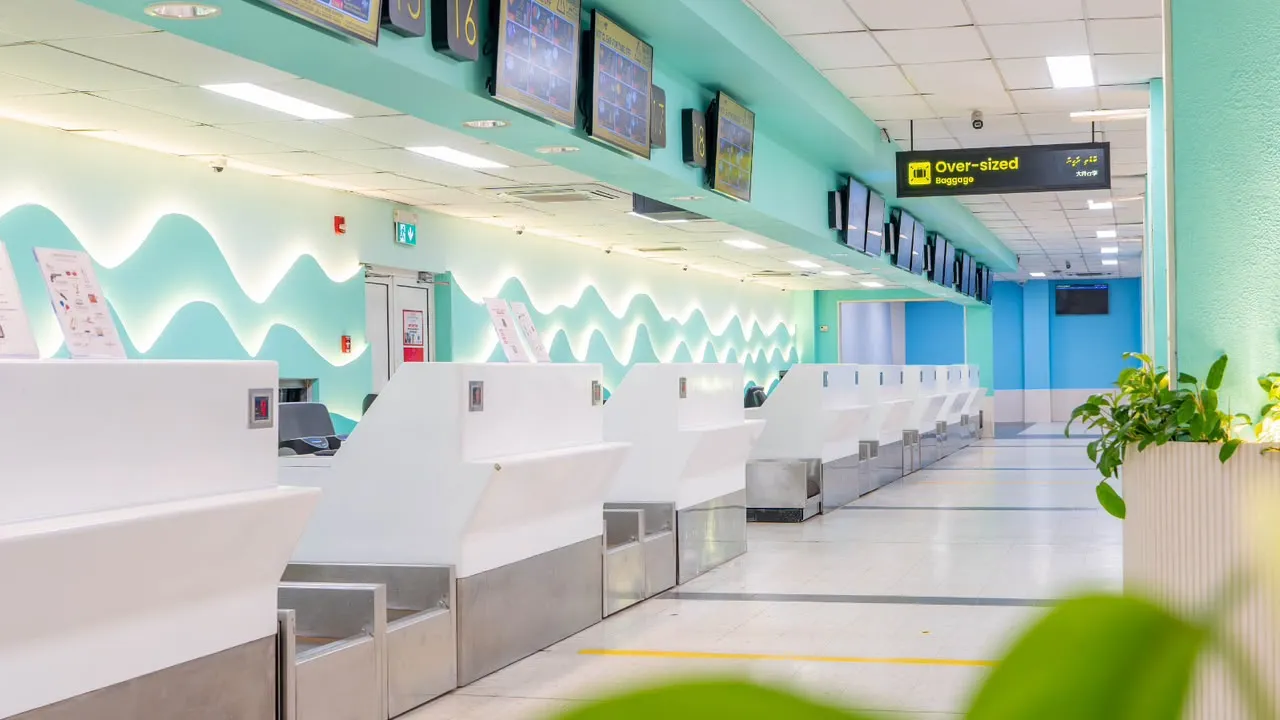
ADFD provided foundational financing and ongoing upgrades for Velana International Airport (VIA), the lifeline of the country's tourism industry, as well as the regional connectivity boost provided by Maafaru International Airport.
The iconic Islamic Centre in Male’—a symbol of the nation’s faith and cultural identity—stands partly due to ADFD financing. Significant housing schemes across disaster-affected islands were similarly funded by Emirati grants and concessional loans.
Additionally, multiple tranches of budgetary aid, balance-of-payments injections, and hundreds of millions in direct grants have stabilized the rufiyaa and bolstered state reserves through global downturns.
Throughout these five decades, no political faction, parliamentarian, or religious organization in Male’ questioned the integrity, faith, or motives of Abu Dhabi. Emirati aid has always been welcomed across administrations, regardless of who occupied the President’s Office.
The Selective Outrage: Aid is Welcome, Capital is Demonized
This historical context makes the vitriol surrounding the Maldives Waterfront and Marina project particularly jarring.
Led by Mohamed Alabbar’s Eagle Hills—one of the Arab world’s most successful development firms—the project represents an influx of foreign capital into Ras Male’ designed to ease housing pressures, diversify the services economy, and introduce high-end marina and commercial infrastructure without burdening the sovereign debt ledger.
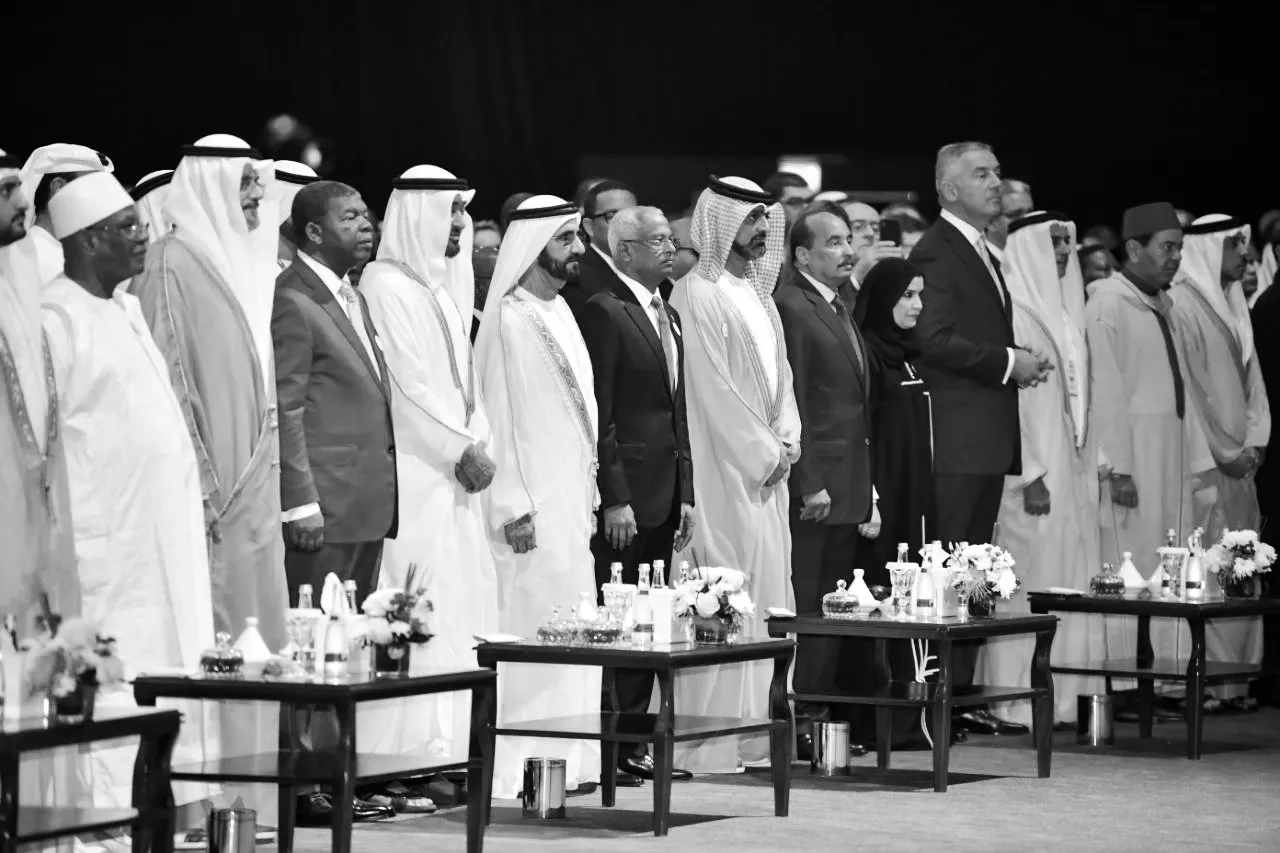
Critics have not reacted with standard fiscal or regulatory scrutiny. Instead, the rhetoric has shifted to inflammatory claims—allegations of "selling off sovereignty" and, most manipulatively, attempts to frame the project with anti-Zionist dog-whistles.
Opponents have attempted to fabricate a "Zionism" or foreign-subversion angle, banking on Maldivians' deep-seated and unanimous solidarity with the Palestinian cause.
In reality, the investment is executed by a premier UAE enterprise operating out of an Arab-Islamic nation. There is no Israeli state entity, Zionist consortium, or ideological component involved.
When ADFD rebuilt mosques, paved runways, or sent medical aid, no political actor claimed Emirati ties compromised Islamic solidarity. Invoking Zionism now is not born of principled advocacy for Palestine; it is a calculated effort to provoke public backlash and score domestic political points.
The same voices that applaud unconditional grants and low-interest loans from Abu Dhabi suddenly label commercial equity from the very same financial hub as a threat to the nation.
The Real Cost: Deterring Global Capital
This contradiction creates severe diplomatic and economic repercussions. Sovereign wealth funds, private equity houses, and Gulf developers do not separate their commercial interests from national pride and mutual respect.
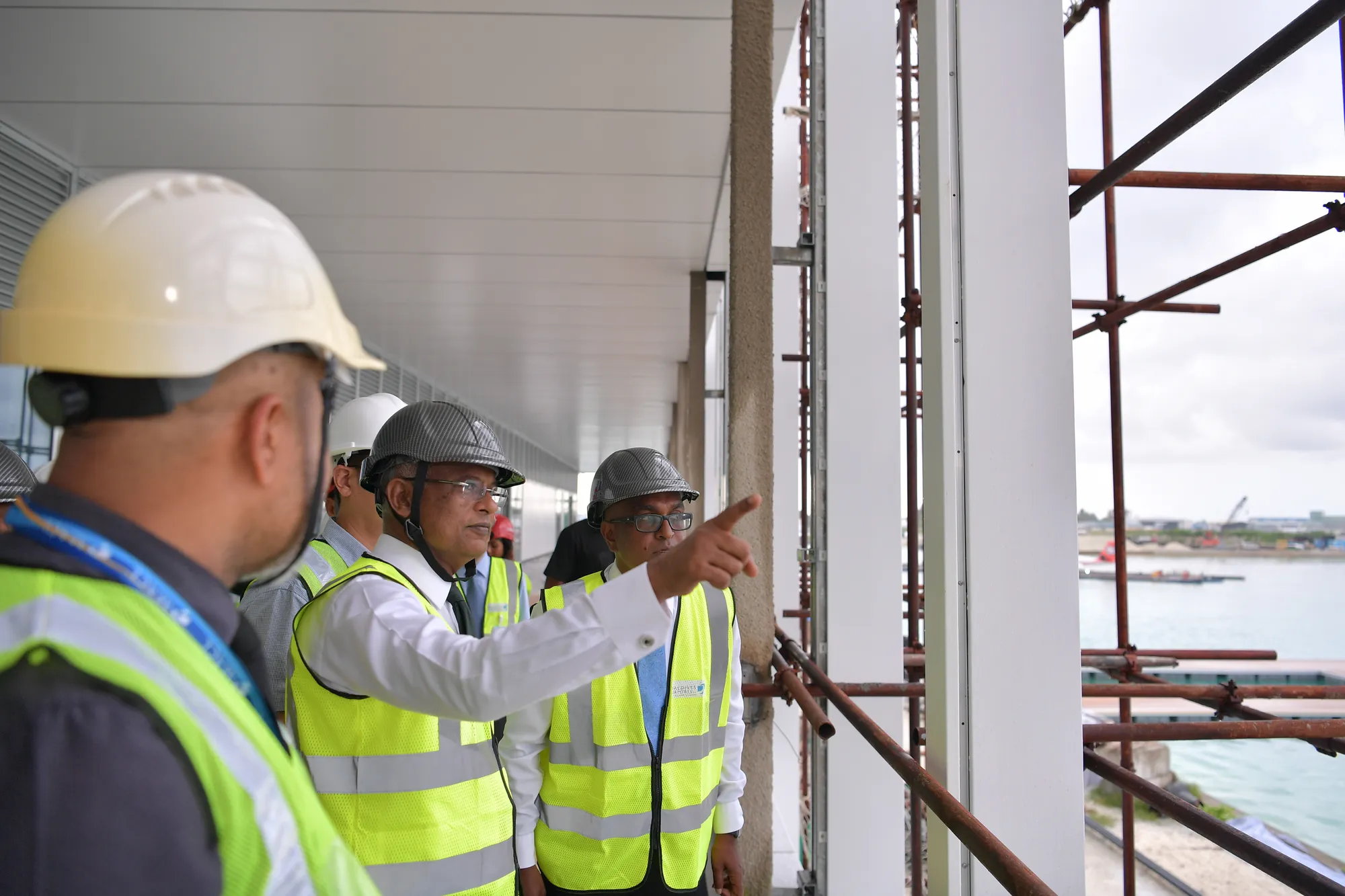
When high-profile investments like Eagle Hills are dragged through local courts, partisan media, and anti-corruption weaponization for political expediency, the message sent abroad is clear.
“The Maldives is happy to take sovereign handouts, but hostile to commercial partnerships.”
Developing economies need private capital far more than concessional debt. Large-scale reclamation and urban centers cannot be built indefinitely on sovereign borrowing. By turning legitimate foreign direct investment into a partisan punching bag, critics risk not only alienating a 50-year benefactor in the UAE, but also driving away serious global investors who look for stability, rule of law, and basic institutional goodwill before committing capital.
Constructive oversight and transparent contract structures are reasonable expectations in any major development. Inventing toxic geopolitical narratives to derail economic projects, however, serves no one—and risks severing the very lifelines that built modern Maldivian infrastructure.
Leave a comment
Comments
No comments yet. Be the first to comment!